In the realm of bioprocessing, choosing the right equipment is crucial for efficiency. Two popular options are 2D and 3D bio-process bags. Each type has its unique characteristics that cater to different needs. Understanding these differences is vital for optimal performance in bioprocessing.
What is the difference between 2D and 3D bio-process bags? 2D bags often have a flat design. This allows easy stacking and storage but can limit volume capacity. On the other hand, 3D bags are more volumetric, providing greater capacity for large-scale applications. However, they may require more space and have a higher cost.
The choice depends on specific project requirements. Consider factors like the scale of production, storage space, and budget constraints. While 2D bags are space-efficient, 3D bags offer flexibility for larger operations. Reflecting on your needs will guide you towards the most suitable option for your bioprocessing goals.
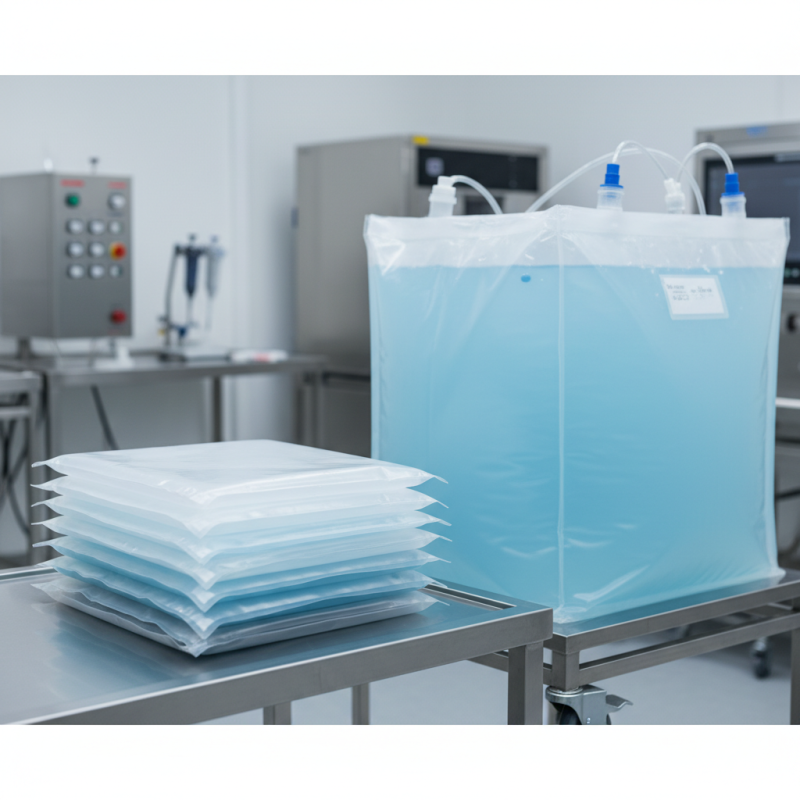
Understanding 2D Bio Process Bags and Their Applications
2D bio process bags are widely recognized in the biopharmaceutical industry for their versatility and cost-effectiveness. These bags are primarily used for storage, transport, and processing of biological materials. According to a report by Grand View Research, the global bioprocess bags market is projected to reach $3.6 billion by 2025. This significant growth is attributed to increased demand for monoclonal antibodies and vaccines.
2D bags offer various applications in upstream and downstream processes. They are commonly employed in cell culture media storage and sample collection. Their design allows for efficient filling and emptying, contributing to product yield. However, concerns remain regarding their susceptibility to contamination and limited shelf life compared to 3D alternatives.
The industry recognizes the need for improved innovations in 2D bags. While they are efficient for shorter-term storage, the potential for leaching and stability issues can affect product quality. Furthermore, as process demands evolve, manufacturers are encouraged to explore how 2D technologies align with emerging standards in bioprocessing to ensure continuous improvement.
Exploring 3D Bio Process Bags: Features and Benefits
In recent years, 3D bio process bags have gained significant attention in the pharmaceutical and biotech industries. These bags offer enhanced features compared to traditional 2D designs. Their three-dimensional structure allows for improved mixing and increased surface area, which is crucial for optimizing bioprocessing applications. According to a study by MarketsandMarkets, the global bioprocess bag market is projected to reach $1.85 billion by 2026, indicating a growing trend toward advanced bio bag solutions.
The benefits of 3D bio process bags extend beyond just functionality. Their design facilitates more efficient nutrient transfer and reduces the risk of contamination during production. This efficiency can lead to reduced production times, which is vital in the competitive biotech landscape. A report published by GlobalData highlights that facilities using 3D bio process bags have reported a 15% reduction in processing time, making them a favorable choice for manufacturers facing increasing demand.
Despite these advantages, it's important to consider the potential drawbacks and challenges. Transitioning to 3D bags requires training and adaptation. Facilities may experience initial setup difficulties. Moreover, the cost implications should be weighed against long-term benefits. The complexity of integration could lead to temporary inefficiencies. Therefore, a careful evaluation is necessary to determine whether 3D bio process bags align with specific operational needs.
Comparative Analysis: 2D vs 3D Bio Process Bags
When choosing between 2D and 3D bio process bags, several factors come into play. 2D bags are traditionally used for simple bioprocessing tasks. They offer straightforward design, often leading to easier handling and lower costs. However, their flat structure may limit the effective volume and mixing capabilities, which can affect product yield and quality.
In contrast, 3D bio process bags have gained traction for their ability to optimize space and improve mixing efficiency. These bags are designed in a way that maximizes surface area. Consequently, they provide better oxygen transfer rates. However, 3D bags can come with increased complexity in terms of handling and storage.
The choice between these options often hinges on specific applications and desired outcomes. While both types have their merits, it's essential to evaluate your unique process needs. Consider the scale of production, product sensitivity, and regulatory requirements. The ideal choice requires reflection on what matters most in your situation.
Balancing cost-effectiveness with functionality often leads to more nuanced decisions. It's crucial to share insights from practical experiences to make informed choices.
Factors to Consider When Choosing Between 2D and 3D Bags
Choosing between 2D and 3D bio process bags requires a careful assessment of your specific needs.
2D bags are often more space-efficient. They are easier to stack and transport,
making them suitable for bulk storage. However, they can be less stable than their 3D counterparts.
3D bags tend to provide more volume and greater mixing capabilities. They are ideal for larger operations that require extensive processing.
When considering which type of bag to use, focus on a few key factors. Think about the scale of your operation.
Smaller labs may find 2D bags sufficient. In contrast, larger facilities could benefit from the versatility of 3D bags.
If you need consistent mixing and aeration, 3D may be the better option.
Tips: Always evaluate the materials used in each bag. Selecting high-quality materials ensures better performance
and reduces contamination risks. Don’t hesitate to consult with industry experts. Their insights can help you make a more informed decision.
Consider testing both types before committing to a choice. This trial can highlight potential shortcomings you might not have anticipated.
Industry Use Cases: When to Use 2D vs 3D Bio Process Bags
When choosing between 2D and 3D bio process bags, it's essential to align your decision with specific industry needs. 2D bags are typically used for simpler applications. They offer easy loading and unloading. If your process requires high-volume storage, 2D bags might be suitable. They are often more cost-effective for basic bio-processing tasks.
3D bags, in contrast, provide enhanced stability and capacity. These bags can handle more complex processes. For applications involving high shear forces or sensitive formulations, 3D bags can minimize the risk of contamination. They are valuable in biopharmaceutical production, where maintaining sterility is critical.
**Tip:** Always evaluate the compatibility of the bag with your bio-process requirements. Consider the type of product and process stages involved.
On the other hand, 3D bags can present challenges. They may be bulkier and harder to handle. Therefore, staff training is vital to ensure safe and efficient usage.
**Tip:** Conduct a trial process with both bag types. Reflect on the handling ease and integrity of the product. This could influence long-term operational costs.
Understanding these differences helps tailor your choice to maximize efficiency and maintain quality in your bio-processing operations.
2D vs 3D Bio Process Bags: Usage Comparison
This bar chart illustrates the comparative usage cases of 2D and 3D bio process bags in the industry. Based on current trends, 3D bio process bags are increasingly preferred for their advantages in applications, capturing 70% of the usage preference compared to 30% for 2D bio process bags.
FAQS
: They are advanced bags designed for bioprocessing. They offer improved mixing and increased surface area.
They facilitate efficient nutrient transfer and reduce contamination risks. This leads to faster production times.
The bioprocess bag market is projected to reach $1.85 billion by 2026, showing growing demand for advanced solutions.
Transitioning requires training. Initial setup can be difficult, leading to temporary inefficiencies.
2D bags are simpler and cheaper. However, 3D bags optimize space and improve mixing, benefiting product yield.
Evaluate your process needs, production scale, cost, and regulatory requirements. Reflect on what is most important.
They can be more complex to handle and store. It's essential to train staff properly.
Yes, they are easier to handle and generally lower in cost, though with limited mixing capabilities.
Balancing cost and functionality requires thoughtful consideration. Real-world insights can guide better decisions.
Yes, the initial complexity can disrupt efficiency. The cost must be justified against long-term benefits.
Conclusion
The article "2D vs 3D Bio Process Bags: Which is Best for Your Needs?" delves into the distinct characteristics and applications of 2D and 3D bio-process bags, providing a comprehensive framework for understanding their functionalities. It begins by outlining the features of 2D bio-process bags, highlighting their typical uses in laboratory settings and their advantages in certain bioprocessing applications. Subsequent sections explore 3D bio process bags, emphasizing their benefits in terms of enhanced volume capacity and efficiency in cell culture processes.
A comparative analysis presents the critical question, "What is the difference between 2D and 3D bio-process bags?" by examining factors such as design, application suitability, and performance outcomes. Additionally, the article offers guidance on how to choose between the two types of bags based on specific needs, including considerations like scalability and process requirements. Finally, it presents industry use cases that illustrate scenarios in which either 2D or 3D bio-process bags would be the optimal choice, aiding readers in making informed decisions for their bioprocessing applications.

 U-Care Medical