China Best Sterilized Breathing Bags Shelf Life? This question matters to hospitals, distributors, and medical device buyers. The answer depends on validated packaging, sterilization conditions, storage, and manufacturer evidence. What is the shelf life of sterilized breathing bags? Usually, the labeled expiry period comes from stability studies and package-integrity testing, not from a universal industry number.
A reliable review should examine the product label, sterilization record, batch number, and instructions for use. Check the sealed pouch carefully. A torn corner, lifted seal, moisture mark, or crushed carton can compromise the sterile barrier before the printed date. Storage also matters. Clean, dry shelves are safer than crowded rooms near windows, radiators, chemicals, or heavy traffic. Temperature and humidity records can support a responsible purchasing decision.
Manufacturers should provide traceability and technical documentation. Look for validated sterilization information, shelf-life studies, packaging specifications, and quality-system credentials. In practice, buyers may compare several Chinese suppliers, but the lowest price does not prove dependable quality. That shortcut can fail.
A printed expiry date is helpful, but it is not the whole decision. If packaging is damaged, the bag should not be treated as sterile without qualified assessment. If records conflict, pause the release. Even experienced teams can overlook transport damage or poor warehouse rotation. Reviewing real storage conditions against the manufacturer’s instructions creates a more defensible conclusion. The safest answer comes from evidence, not guesswork.
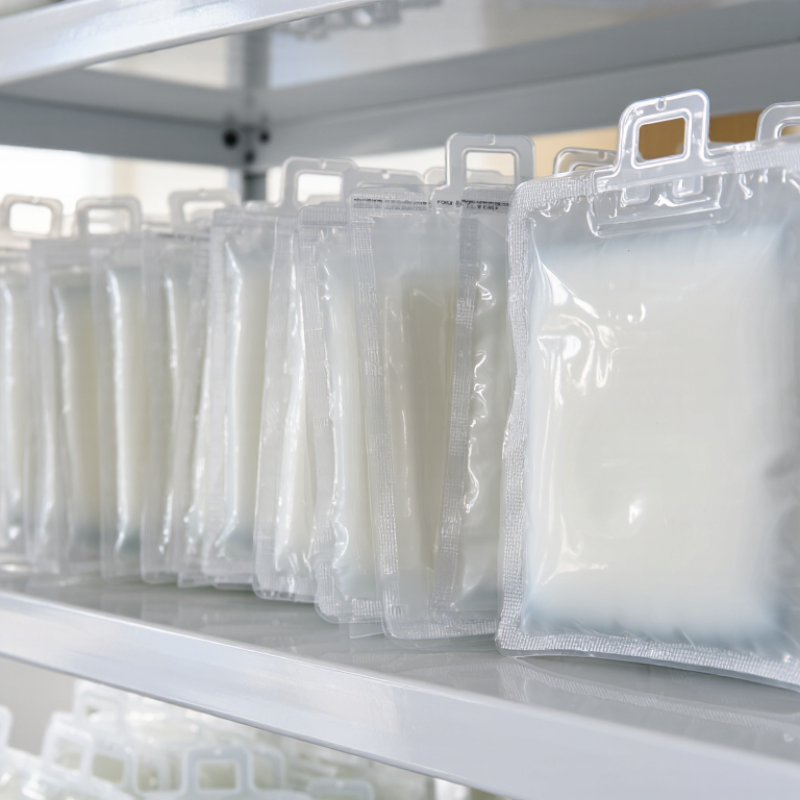
Sterilized breathing bags in China should be defined by intended use, risk level, and documented medical device requirements. They are not simply plastic bags exposed to a sterilization process. A medical breathing bag may connect to anesthesia or respiratory equipment, carry medical gases, and contact a patient’s breathing pathway. Its design, materials, sealing method, and claimed use must match the applicable Chinese registration or filing requirements.
Sterility is only one part of compliance. Manufacturers should establish sterilization validation, packaging integrity, biological safety, and performance testing. The applicable Chinese medical device standards and technical review documents should guide this work. A bag can look clean but fail sterility after a tiny seal channel develops. Small defects matter.
Shelf life is not a universal number under China medical device standards. It should be supported by stability studies, packaging validation, storage conditions, and risk assessment. Labels normally need clear information, including the production lot, sterilization status, expiry date, and storage instructions. Keep packages dry and away from excessive heat.
Not every test reflects real storage.
For example, a warehouse may remain cool, while delivery trucks become hot for several hours. That condition deserves evaluation. A printed expiry date alone cannot prove continued sterility. Manufacturers, importers, and healthcare users should check the approved product documentation and current Chinese requirements before relying on a stated shelf life. Some technical details may still need refinement as standards or regulatory interpretations change.
| Topic | Practical information | What to verify |
|---|---|---|
| What the product is | A breathing bag is a component used in an anaesthetic breathing system to provide a reservoir for breathing gas and, depending on the system, to assist manual ventilation. It is not necessarily a complete breathing circuit. | Check the device’s registered name, intended use, model, and applicable product technical requirements. Do not assume that every breathing bag is supplied sterile. |
| China device status | Medical devices marketed in China are subject to China’s medical-device regulatory framework. Classification and regulatory documentation depend on the product’s intended use and characteristics. | Confirm the applicable registration or filing information and the product-specific requirements in the official Chinese regulatory record and supplied documentation. |
| Shelf life | There is no single shelf-life period that applies to all sterilized breathing bags. The expiry period must be supported by the responsible manufacturer’s product-specific evidence and stated on the approved labeling. | Use the expiry date on the package label and instructions for use. Do not infer an expiry period from the product type, sterilization method, or another supplier’s product. |
| How shelf life is supported | Shelf-life claims are generally supported by documented stability and packaging evidence for the specific device and packaging configuration. Relevant factors can include material ageing, seal integrity, transport, and maintenance of sterility. | Request or review the applicable validation and stability records where appropriate. Evidence for one material, package, or sterilization process does not automatically apply to another. |
| Sterile barrier packaging | GB/T 19633.1-2021 addresses requirements for materials, sterile barrier systems, and packaging systems for terminally sterilized medical devices. Its applicability should be assessed for the specific product and packaging. | Check that the package is intact, dry, and within its labeled expiry date before use. A damaged or opened sterile barrier should not be treated as maintaining sterility. |
| Sterilization validation | Applicable sterilization standards depend on the process. For example, GB 18279.1 concerns ethylene oxide sterilization, while GB 18280.1 concerns radiation sterilization; neither should be assumed to apply unless that process is used. | Check the labeled sterilization method and relevant validation documentation. A sterilization method alone does not establish a universal shelf life. |
| Product performance standard | ISO 5362 specifies requirements for anaesthetic reservoir bags. The applicable Chinese adopted or referenced standard, edition, and scope should be confirmed for the specific registered product. | Consult the product’s registration documents and current official standards catalogue rather than relying on an unverified standard number or edition. |
| Storage conditions | Storage conditions are product-specific. Heat, moisture, sunlight, compression, or exposure to chemicals may affect packaging or device materials. | Follow the labeled storage and transport conditions. If the package or product has been exposed to conditions outside those instructions, seek guidance from the responsible supplier or manufacturer. |
| Reusable or single-use status | A sterilized product is not automatically reusable. Reuse, reprocessing, and resterilization should only be undertaken when specifically permitted by the product labeling and supported by validated instructions. | Check the single-use symbol, reuse instructions, and reprocessing information. Do not resterilize or reuse a device contrary to its labeling. |
| Before-use check | Before use, verify the product identity and size, expiry date, package integrity, and any required compatibility or pre-use checks described in the instructions for use. | Do not use an expired product or one with a compromised package. Follow the instructions for use and the healthcare facility’s applicable procedures. |
Note: This table is general information, not a substitute for the product’s China registration documents, labeling, instructions for use, or current official standards.
Three to five years is a common target, not a universal rule. The expiry period needs product-specific testing.
Evidence may include packaging integrity, aging, stability, and quality-control records. One test report cannot answer everything.
Look for punctures, damp patches, faded labels, and wrinkles crossing the seal. Small defects matter.
Yes. Heat, sunlight, moisture, and rough handling may weaken packaging over time. Keep bags in their original packaging and follow supplied instructions.
ISO 11607 covers sterile packaging requirements and process validation. ASTM F1980 describes accelerated aging, but aging alone does not prove sterility.
No. It estimates aging under chosen conditions; real-time aging and package-integrity tests add evidence. The assumptions deserve a careful look.
Bioburden data describe contamination before sterilization, while sterility tests provide limited-sample evidence. EO residue results should also meet applicable criteria.
Check lot numbers, dated test reports, storage conditions, methods, and acceptance criteria. If records conflict, pause and ask a qualified professional.
Sterilized breathing bags are medical devices whose shelf life depends on the validated sterilization process, protective packaging, and storage conditions. Under China’s medical-device framework, manufacturers should define the product and its intended use, then assess whether ethylene oxide (EO), gamma radiation, or steam sterilization is suitable. Each method can affect bag materials and packaging differently, so the choice must be supported by product-specific validation rather than assumption.
What is the shelf life of sterilized breathing bags? A 3–5-year claim is a common target for medical devices, but it should only be assigned after evidence confirms that sterility and packaging remain intact throughout the stated period. ISO 11607 packaging assessments and ASTM F1980 accelerated-aging studies can help evaluate package integrity over time. Shelf-life conclusions should also consider bioburden, sterilization performance, EO residual levels where applicable, and real-time aging results, with expiry dates based on the complete body of validation data.

 U-Care Medical