Why Choose Sanitary Fittings for Your Global Procurement Needs?

Time:2026-03-30 Author:Sienna
0%

When it comes to global procurement, choosing the right materials is crucial. Sanitary fittings play a vital role in ensuring efficient and safe operations. These products are essential in various industries, particularly in food and beverage, pharmaceuticals, and healthcare. Their design ensures cleanliness and hygiene.

Investing in high-quality sanitary fittings can minimize risks. For instance, inferior fittings may lead to contamination. This can result in costly setbacks and damaged reputations. Thus, reliability and durability are paramount. While many options are available, not all are equal. It's essential to evaluate suppliers thoroughly.

Procurement teams should prioritize suppliers with a proven track record. Look for those who demonstrate expertise in sanitary fittings. Consider certifications and customer feedback as reliable indicators. Balancing cost and quality is often challenging. However, the right choices will lead to long-term benefits. Choosing the best sanitary fittings reduces risks and enhances efficiencies.
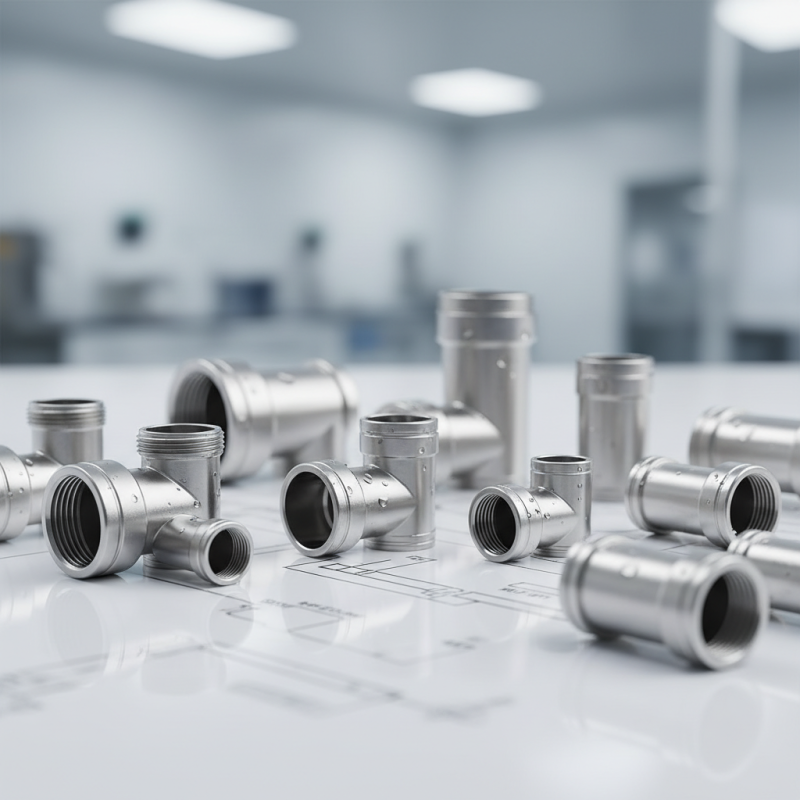
Why Choose Sanitary Fittings for Your Global Procurement Needs?

Benefits of Sanitary Fittings in Global Supply Chains

Sanitary fittings play a crucial role in global supply chains, especially in the food and beverage industries. Their design ensures safety and hygiene, which are paramount in preventing contamination. These components are essential for maintaining operational efficiency. They contribute to the integrity of the entire supply chain.

To maximize the benefits of sanitary fittings, consider the following tips. First, assess the material compatibility with your products. Stainless steel, for example, is durable and resistant to corrosion. This choice can enhance the longevity of your fittings. Second, prioritize fittings that are easy to clean and maintain. Regular maintenance is vital to prevent build-up and ensure consistent performance. Sometimes, overlooked maintenance can lead to bigger issues down the line.

Another important consideration is to collaborate with suppliers who understand global regulations. Different regions may have varying standards regarding sanitary fittings. Misalignments can create risks during procurement. Be aware of these nuances to avoid costly mistakes. Prioritizing these aspects can lead to a more efficient and reliable supply chain.

Why Choose Sanitary Fittings for Your Global Procurement Needs? - Benefits of Sanitary Fittings in Global Supply Chains

Dimension Description Benefit
Material Quality Sanitary fittings are often made from high-grade materials such as stainless steel, ensuring durability and corrosion resistance. Longer lifespan and lower maintenance costs.
Hygienic Standards Designed to meet stringent hygiene standards, preventing contamination in food and pharmaceutical industries. Increased safety and compliance with regulations.
Versatility Available in various sizes, shapes, and configurations to fit diverse applications. Flexibility in design and installation in various systems.
Ease of Installation Designed for simple and quick installations, often with standardized dimensions. Reduced labor costs and faster project completion times.
Global Availability Widely distributed and available through numerous suppliers across the globe. Ease of sourcing and reduced lead times for procurement.

Understanding the Quality Standards for Sanitary Fittings

Sanitary fittings are essential in many industries, particularly in food and beverage, pharmaceuticals, and water treatment. Understanding quality standards for these fittings is crucial for global procurement. These standards ensure that products can withstand demanding environments while maintaining safety and hygiene.

Quality standards for sanitary fittings typically include material specifications. Stainless steel is often preferred because of its resistance to corrosion and ease of cleaning. Moreover, the dimensions and finishes must meet strict guidelines to avoid contamination risks. Even minor deviations can lead to significant issues, such as product recalls or health hazards.

It’s important to review certifications that indicate compliance with recognized standards. These documents can validate a manufacturer’s claims and ensure that products are fit for purpose. However, relying solely on paperwork isn't enough. A hands-on assessment can reveal production inconsistencies. This means that regular audits and supplier evaluations should not be overlooked in the procurement process. Investing time in understanding these quality markers will help you make informed decisions.

Cost-Effectiveness and Efficiency of Sanitary Fittings

Sanitary fittings play a crucial role in various industries, especially in ensuring hygiene standards. They are designed to prevent contamination and maintain cleanliness. These fittings are indispensable in sectors like food, pharmaceuticals, and healthcare.

Investing in sanitary fittings can lead to significant cost-effectiveness. By reducing the risk of contamination, businesses can avoid costly recalls and product wastage. Efficient designs allow for easier cleaning and maintenance, saving both time and labor costs. Durable materials ensure that replacements are needed less frequently, which can lead to long-term savings.

While the benefits are clear, challenges remain. Sourcing quality fittings at competitive prices can be difficult. It requires a thorough understanding of market conditions and suppliers. Even with expertise, navigating international procurement introduces complexities that may lead to unexpected expenses. Continuous evaluation of supply chains is essential to ensure optimal performance.

Sustainability and Environmental Impact of Sanitary Choices

Sanitary fittings play a crucial role in sustainability. Choosing the right materials reduces environmental impact significantly. Reports show that stainless steel fittings can last over 50 years, reducing waste. In contrast, plastic options often wear out quickly, leading to replacement and higher waste levels.

Many industries are shifting towards eco-friendly materials. Research indicates that 70% of manufacturers are investing in sustainable technologies. This commitment offers a competitive edge, while enhancing brand reputation. However, some companies still prioritize cost over sustainability. This presents an opportunity for growth and reflection in procurement strategies.

Certifications like LEED emphasize the importance of sustainability. They promote energy-efficient practices in construction and manufacturing. It’s clear that adopting sanitary fittings with lower environmental impact can lead to substantial long-term benefits. But businesses must be aware of their choices and accountability in these processes.

Key Factors for Selecting Sanitary Fittings in Procurement Processes

When selecting sanitary fittings for global procurement, several key factors come into play. The materials used in these fittings are crucial. For instance, stainless steel is often preferred due to its resistance to corrosion and contamination. Data shows that over 60% of industries prioritize hygiene in their production processes, especially in food and pharmaceutical sectors. Choosing the right material helps maintain product integrity and safety.

Supplier reliability is another major consideration. A recent industry report revealed that approximately 70% of procurement teams face challenges with inconsistent quality and delivery times. Establishing strong partnerships with suppliers can mitigate these risks. It's important to assess suppliers based on their track record and certifications. A reliable source can contribute significantly to operational efficiency and compliance with industry standards.

Moreover, design compatibility should not be overlooked. Fittings must meet specific application requirements. Research indicates that poorly matched components can lead to system failures and costly downtime. This highlights the importance of comprehensively evaluating technical specifications during the selection process. Investing time in understanding these factors can prevent future issues.

Key Factors in Selecting Sanitary Fittings for Procurement

This chart illustrates the key factors that procurement managers consider when selecting sanitary fittings, including quality, compliance, cost, supplier reliability, and delivery time.

FAQS

: What are the main benefits of sanitary fittings in supply chains?

: Sanitary fittings ensure hygiene, prevent contamination, and maintain operational efficiency. They protect product integrity.

Why is material selection important for sanitary fittings?

Choosing compatible materials, like stainless steel, enhances durability and reduces corrosion risks. This choice affects longevity.

How can regular maintenance improve sanitary fittings?

Regular maintenance prevents build-up and ensures performance. Neglected fittings can lead to significant operational issues.

What challenges arise in sourcing sanitary fittings?

Sourcing quality fittings can be tough. Price competition and international procurement complexities may incur unexpected costs.

Why is supplier reliability essential for sanitary fittings?

Reliable suppliers help maintain consistent quality and delivery. Inconsistency can disrupt operations and increase risks.

What should be considered in design compatibility?

Fittings must meet specific application needs. Poorly matched components can cause system failures and costly downtime.

Can investments in sanitary fittings lead to long-term savings?

Yes, they reduce contamination risks and maintenance needs, preventing costly recalls and product waste over time.

How do global regulations affect sanitary fittings procurement?

Different regions have varied regulations. Misalignment can create procurement risks and result in costly mistakes.

What percentage of industries prioritize hygiene in production?

Data shows that over 60% of industries focus on hygiene, especially in food and pharmaceutical sectors.

What risks come with overlooking the selection of sanitary fittings?

Careless selection may lead to operational inefficiencies. Investing time in evaluation can prevent future complications.

Conclusion

Sanitary fittings play a crucial role in enhancing global supply chains by ensuring high-quality standards and efficient operation. Their benefits include improved hygiene, compliance with health regulations, and the ability to streamline procurement processes. Understanding the quality standards for sanitary fittings is essential for businesses aiming to maintain safety and reliability in their operations.

Moreover, investing in sanitary fittings can be cost-effective, as they often reduce maintenance and operational costs in the long run. Additionally, sustainability is a key consideration, as many sanitary fitting options are designed to minimize environmental impact. When selecting sanitary fittings, organizations should take into account factors such as material quality, durability, and compliance with industry standards to make informed procurement decisions that align with their operational goals.

Sienna

Sienna

Sienna is a skilled marketing professional with a deep expertise in our company’s core products and services. With a passion for innovation and detail, she plays a pivotal role in crafting insightful blog posts that not only highlight the unique features of our offerings but also provide valuable......