In the pharmaceutical industry, the significance of effective sterile packaging cannot be overstated. Approximately 30% of product recalls are linked to packaging failures, highlighting the critical nature of this aspect. As companies face increasingly stringent regulatory requirements, they must answer the question: "How to choose the right sterile packaging for pharmaceuticals?"
Selecting appropriate packaging isn't merely a technical decision; it involves understanding the product's specific needs. Factors such as material compatibility, barrier properties, and shelf life are paramount. For instance, the use of sterile barrier systems can significantly extend the stability of sensitive medications. Yet, many organizations overlook important details. Failing to adapt to advancements in sterilization technologies can compromise product integrity.
Achieving a balance between functionality and regulatory compliance is challenging. Industry reports indicate that about 40% of companies struggle with aligning their packaging processes to meet evolving standards. This underscores the necessity of expertise in selecting the most suitable packaging solutions. A mindful approach can help avoid costly mistakes and enhance overall product safety.
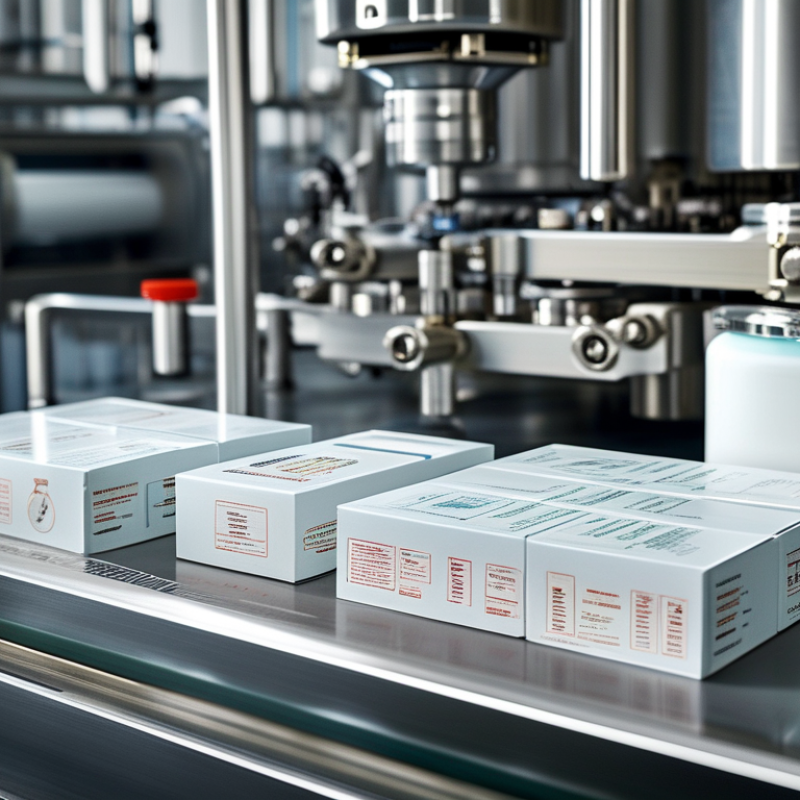
Sterile packaging plays a critical role in the pharmaceutical industry. The primary purpose is to ensure the safety and efficacy of medications. According to a report by the World Health Organization, improper packaging can lead to contamination, resulting in significant patient health risks. Nearly 50% of product recalls are due to issues related to packaging integrity.
The choice of sterile packaging materials also affects product stability. A study published in the Journal of Pharmaceutical Sciences highlights that over 30% of drug degradation can be traced back to inadequate packaging. This emphasizes the need for a careful selection process that considers factors like barrier properties, compatibility, and sterility assurance levels.
Moreover, the sterile packaging process itself is complex and requires stringent adherence to protocols. Manufacturers face challenges in balancing cost and quality. For instance, many opt for multilayered materials, which may increase production expenses. However, investing in reliable sterile packaging can ultimately safeguard their reputation and trustworthiness in the market. Each decision in this process must reflect a commitment to patient safety and product integrity.
When selecting sterile packaging for pharmaceuticals, understanding key factors is essential. The type of material used can significantly impact the integrity of the product. Each pharmaceutical product has specific requirements for sterility, stability, and protection. Evaluating these factors helps ensure the packaging meets quality standards.
One important aspect to consider is the barrier properties of materials. Packaging must effectively prevent the entry of contaminants. The choice between plastic, glass, or aluminum can depend on the nature of the pharmaceutical. Each material offers different levels of protection. For example, glass provides excellent impermeability but may be heavier and more fragile.
Tips for selecting materials include evaluating compatibility with the drug. Some materials can react negatively with the contents. Additionally, consider the sterilization method. Not all materials withstand every sterilization technique. Testing packaging under real conditions can highlight weaknesses. Always review previous packaging failures to learn from past mistakes. This ongoing reflection and adjustment can lead to better decisions and improved outcomes in the sterile packaging process.
Choosing the right sterile packaging for pharmaceuticals is crucial for product integrity. Various options cater to different needs. Common types include thermoplastic containers, blister packs, and flexible pouches.
Thermoplastic containers offer excellent barrier properties against moisture and oxygen. Blister packs are widely used for tablets and capsules. They provide visibility and protection. Flexible pouches, often used for liquids, are lightweight and efficient.
Tips: Always validate the packaging based on the product’s shelf life. Test for compatibility with active ingredients. Regular audits of packaging providers ensure standards are met.
A report by the Institute for Packaging Professionals states that improper packaging can lead to a 25% increase in product spoilage. This highlights the importance of quality selection. Each packaging type has strengths and weaknesses. Consider these factors when making choices. Adjustments may be necessary as product formulations evolve. Staying current with industry standards can help mitigate risks.
Choosing the right sterile packaging for pharmaceuticals involves navigating complex regulatory standards. Regulatory bodies like the FDA and EMA set stringent guidelines to ensure product safety and efficacy. Non-compliance can lead to recalls or legal issues. According to a recent survey by the Packaging Association, 75% of pharmaceutical companies reported challenges in meeting these regulatory demands.
The materials used in sterile packaging must meet specific requirements. For example, barrier properties are crucial to prevent contamination. Studies show that 90% of product failures in the pharmaceutical sector result from inadequate packaging solutions. Sterile packaging must also account for shelf life, transport conditions, and storage environments.
Moreover, companies must stay updated on evolving regulations. This involves continuous training and audits. Interestingly, only 30% of companies proactively engage with regulatory changes, leading to potential risks. Assessing compliance is not just a task; it’s an ongoing process that requires dedication and attention to detail. The complexity of these standards amplifies the need for reliable and expert advice in the packaging selection process.
| Packaging Type | Sterilization Method | Material Used | Regulatory Compliance | Shelf Life |
|---|---|---|---|---|
| Blisters | Steam Sterilization | PVC, PVDC | ISO 13485 | 24 months |
| Syringes | Ethylene Oxide | Polypropylene | FDA 21 CFR Part 820 | 36 months |
| Vials | Gamma Radiation | Glass | USP Chapter 797 | 12 months |
| Pouches | Steam Sterilization | PE, PP | ISO 11607 | 18 months |
Choosing the right sterile packaging for pharmaceuticals involves more than just ensuring safety. Cost-effectiveness plays an essential role. Manufacturers face pressure to keep expenses low while maintaining quality. Analyzing material costs, production processes, and shelf-life can reveal opportunities for savings. Each packaging choice must be scrutinized for long-term benefits, not just immediate expenses.
Sustainability also needs attention. Many companies explore biodegradable materials as alternatives. These options can reduce environmental impact. However, the transition often comes with higher initial costs. Balancing sustainability with budget constraints can be challenging. Producers must reflect on whether charging slightly more can enhance their corporate responsibility profile.
Packaging must protect the product, yet also resonate with consumers. Some customers value eco-friendly choices. Others prioritize lower prices. It's essential to identify the target market clearly. Misjudgments here can lead to wasted resources. Ongoing evaluation and feedback loops from consumers and stakeholders are vital for making informed adjustments.
: The right sterile packaging ensures product integrity and reduces spoilage, which can increase by 25% if done improperly.
Common types include thermoplastic containers, blister packs, and flexible pouches, each tailored for specific needs.
Barrier properties prevent moisture and oxygen contamination, crucial for maintaining the quality of pharmaceuticals.
Blister packs are ideal for tablets and capsules, offering visibility and protection from external elements.
Regular audits of packaging providers are necessary to ensure quality standards are consistently met.
Many companies struggle with regulatory compliance, with 75% reporting difficulties in meeting stringent standards.
Continuous training helps companies stay updated with evolving regulations, minimizing risks related to non-compliance.
Factors include product shelf life, active ingredient compatibility, and transport and storage conditions.
Packaging solutions should be continuously reassessed as product formulations and regulations change.
Studies reveal that 90% of product failures are due to insufficient packaging solutions.
Choosing the right sterile packaging for pharmaceuticals is critical to ensuring product safety and integrity. The importance of sterile packaging lies in its role in preventing contamination and maintaining the efficacy of pharmaceutical products. When selecting sterile packaging materials, it is essential to consider key factors such as barrier properties, material compatibility, and ease of use.
Various types of sterile packaging options are available, including blister packs, pouches, and vials, each offering unique benefits for different pharmaceutical applications. Additionally, compliance with regulatory standards is paramount, as it ensures that packaging meets industry-specific requirements. Lastly, evaluating the cost-effectiveness and sustainability of packaging choices can influence decision-making, balancing economic and environmental considerations. Ultimately, understanding how to choose the right sterile packaging for pharmaceuticals involves a comprehensive approach that prioritizes safety, compliance, and sustainability.

U-Care Medical