In the pharmaceutical industry, packaging plays a critical role in safeguarding product integrity. One key focus is on seals. They must be reliable to protect medications from contamination and ensure their efficacy. The question arises: How to ensure seal integrity in flexible pharmaceutical packaging?
Flexible packaging often encounters challenges like temperature fluctuations and mechanical stress. These factors can compromise the seal, leading to potential product failure. Ensuring a strong seal involves selecting the right materials and sealing methods. The complexity of these processes requires expertise, as even minor issues can have significant consequences on the final product.
Moreover, regular quality checks are essential. Testing methods, like peel tests or burst tests, help assess seal strength. They provide insights into potential weaknesses. A proactive approach to seal integrity can reveal areas for improvement, ensuring compliance with safety standards. In the end, maintaining seal integrity is not just a technical requirement; it is vital for patient safety and product reliability.
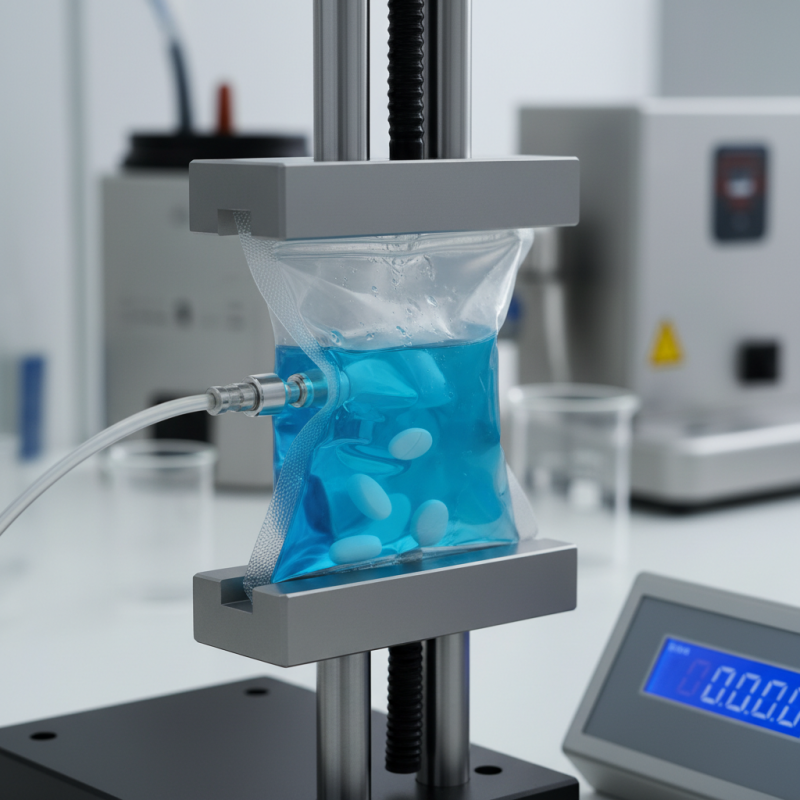
Seal integrity is crucial in pharma packaging. A compromised seal can lead to contamination. Research indicates that around 25% of pharmaceutical products face integrity issues. This emphasizes the need for reliable sealing methods.
In the pharmaceutical industry, 77% of manufacturers report that seal failure affects their bottom line. This can lead to significant financial losses and reputational damage. A study shows that nearly 60% of recalls are attributed to packaging defects, highlighting the urgency for stringent quality checks.
Various sealing technologies can help mitigate these risks. Heat sealing, for instance, provides a robust barrier against external contaminants. However, it's not foolproof. Regular validation and testing are essential. Even minor inconsistencies in sealing can have serious consequences. Companies must continuously evaluate their processes to ensure they meet industry standards.
Seal integrity in flexible pharma packaging is critical. Several challenges can jeopardize this integrity. One major issue is poor seal design. If a seal does not match the packaging material, it can break or leak. This can lead to contamination of the product. Adjusting the seal parameters can help, but it requires a precise understanding of materials.
Another challenge is environmental conditions. Temperature fluctuations and humidity can affect seal reliability. For example, excessive moisture can weaken seals over time. Manufacturers should consider their storage conditions when designing packages. They must evaluate how different environments influence seal performance.
Lastly, the sealing process itself can introduce issues. Inconsistent application of heat or pressure can lead to weak seals. Regular maintenance of sealing equipment is crucial. Operators should monitor these machines closely to ensure optimal performance. Addressing these problems requires a proactive approach and continuous improvement.
| Challenge | Impact on Seal Integrity | Potential Solutions |
|---|---|---|
| Improper sealing temperature | Can lead to weak seals that are prone to delamination | Use temperature-controlled sealing machines; Regular calibration of equipment |
| Inconsistent pressure during sealing | Results in incomplete seals or compromised barrier properties | Implement pressure sensors; Train operators to monitor pressure levels |
| Contamination of sealing surfaces | Weakens the bond and can cause seal failures | Regular cleaning and maintenance; Use of cleanroom environments |
| Material incompatibility | May lead to poor adhesion and seal failure over time | Conduct compatibility testing; Select suitable materials |
| Environmental factors (humidity, temperature) | Affects the performance of sealing materials | Control environmental conditions; Utilize materials suitable for varied conditions |
In the realm of flexible pharma packaging, selecting the right materials is crucial for ensuring seal integrity. A report by Smithers Pira highlights that improper sealing methods lead to increased product waste, costing the pharmaceutical industry up to $25 billion annually. This significant loss underscores the importance of choosing materials that not only provide optimal seal performance but also enhance overall product safety.
Polyethylene (PE) and polypropylene (PP) are commonly used in pharma packaging due to their durability and excellent seal characteristics. These materials must withstand varying temperatures and moisture levels. However, recent studies indicate that variations in production processes can affect seal strength. Inconsistent sealing temperatures or pressures may result in compromised seals, making it imperative for manufacturers to ensure strict adherence to specifications.
A critical aspect often overlooked is the interaction between the sealing material and the product contents. For instance, certain drug formulations may react adversely with sealant materials, leading to contamination. Thus, it’s vital for companies to conduct thorough compatibility testing. Industry experts recommend regular audits of seal performance and material compatibility, with a specific focus on how variations can impact the final product. By addressing these nuances, manufacturers can better align their packaging processes with regulatory standards and enhance patient safety.
Seal integrity is critical in flexible pharmaceutical packaging. Ensuring that the seals on these packages are secure prevents contamination and maintains product efficacy. Various testing methods can assess this integrity to validate quality. One common method is the bubble emission test. This technique uses air pressure to detect leaks, revealing any weak points in the seals.
Another method is dye penetration testing. In this process, a dye is applied to the package's surface. If the dye penetrates the seal, it indicates a failure in seal integrity. This method is effective but may also raise questions about its practicality in all settings. Some tests can be complex and time-consuming, prompting the need for careful evaluation.
Both methods highlight the importance of regular testing. Packaging must be rigorously assessed to avoid compromising the product's safety. However, companies should remain open to exploring new testing technologies. Addressing weaknesses in existing methods is crucial. Embracing innovation ensures enhanced seal integrity in flexible pharmaceutical packaging.
Ensuring seal quality in flexible pharma packaging is vital. During production, several best practices can enhance seal integrity. Start with a thorough examination of materials. Improperly stored or outdated materials can weaken seals. Always check for proper temperature and humidity. These factors influence the bonding process significantly.
Monitor the sealing process closely. Machine calibration plays a key role in achieving optimal results. Inconsistent sealing temperatures or pressure can lead to weak seals. Conduct regular audits and maintenance to minimize these risks. Employees should receive training on handling materials and equipment. Awareness of potential issues can improve overall product integrity.
Implement real-time monitoring systems for seals. This allows for immediate detection of faults. However, be prepared to address variations in seal quality. Some seals may hold well under extreme conditions, while others may fail. It's essential to analyze these discrepancies to enhance production methods continually. Through diligence and proactive measures, the risk of compromised seals can be significantly reduced.
This chart illustrates the common causes of seal failures in flexible pharmaceutical packaging and their respective impact on seal integrity. Understanding these factors can help in implementing best practices for ensuring high-quality seals during production.
: Material selection is crucial for seal integrity and overall product safety, impacting financial losses significantly.
Polyethylene (PE) and polypropylene (PP) are popular choices due to their durability and sealing properties.
Inconsistent sealing temperatures or pressures can compromise seals, leading to product safety issues.
Companies must conduct compatibility testing to prevent adverse reactions between sealants and drug formulations.
Common methods include bubble emission tests and dye penetration testing to check for leaks and seal failures.
No, some methods can be complex and time-consuming, highlighting the need for better evaluation and innovation.
The interaction between the sealing material and product contents can lead to potential contamination risks.
Regular audits are essential to ensure compliance with regulations and to enhance packaging safety.
Improper sealing can lead to increased waste, costing the pharmaceutical industry billions each year.
Yes, embracing innovative testing methods is crucial for improving seal integrity and ensuring product safety.
Ensuring seal integrity in flexible pharmaceutical packaging is crucial for maintaining the quality and safety of medical products. The importance of seal integrity lies in its role in preventing contamination and preserving the efficacy of pharmaceuticals. However, various challenges such as environmental factors and material compatibility can impact seal performance. To address these challenges, selecting optimal materials is key, as different polymers offer varying degrees of seal strength and durability.
Testing methods, including peel and burst testing, are essential for assessing seal integrity and identifying potential weaknesses before products reach the market. Implementing best practices during production, such as proper machine calibration and quality control protocols, can further enhance seal quality. By focusing on these aspects, manufacturers can effectively answer the question, "How to ensure seal integrity in flexible pharmaceutical packaging?" thus safeguarding public health and ensuring compliance with industry standards.

U-Care Medical