5 Essential Tips Why Anti Static Properties Matter for Powder Bags?

Time:2026-05-31 Author:Isabella
0%

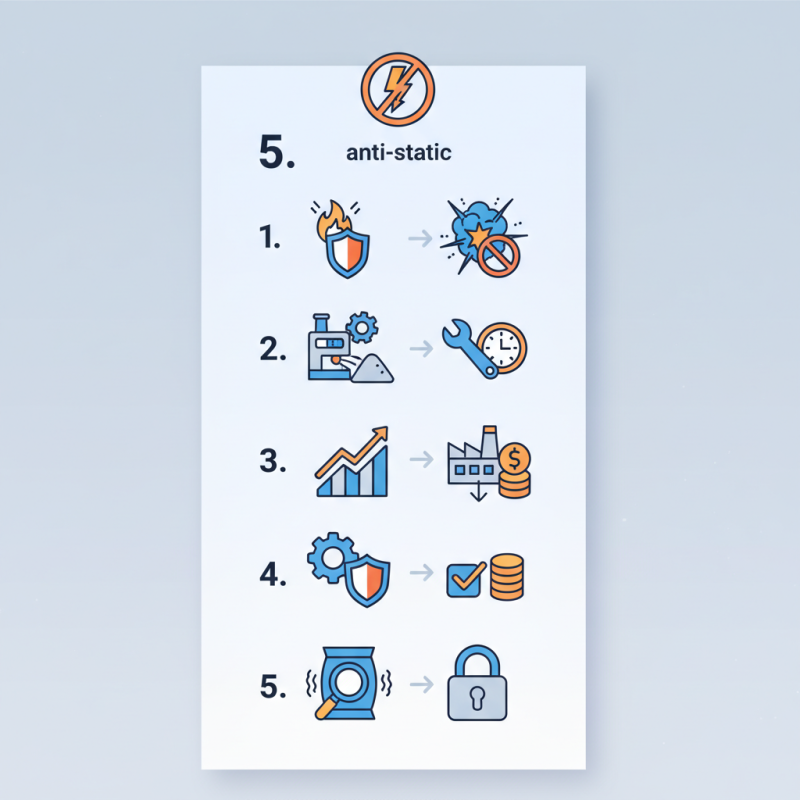
In industries handling powdered materials, the question arises: "Why is anti-static properties critical for powder bags?" A recent study by the Materials Research Society indicates that static electricity can generate voltages exceeding 30,000 volts, posing significant risks during the transfer and storage of powders. Static discharges can lead to fires and explosions, especially in environments rich in flammable dust.

Moreover, the lack of anti-static properties in powder bags can result in clogged equipment. This leads to costly downtimes and increased maintenance charges. Reports from the National Fire Protection Association highlight that static-related incidents cost industries millions in damages annually. Such data underscores the necessity of integrating anti-static features into powder packaging solutions.

Ultimately, selecting the right powder bags is more than just functionality. It's about ensuring safety and efficiency in operations. Antistatic properties can play a pivotal role in preventing unexpected mishaps and ensuring product integrity. A detailed evaluation of these features is essential for businesses dealing with powders.
5 Essential Tips Why Anti Static Properties Matter for Powder Bags?

Understanding Anti-Static Properties in Powder Packaging Materials

Anti-static properties are crucial in powder packaging materials. They help reduce static electricity buildup during transport and handling. Reports indicate that static electricity can lead to issues such as product clumping and even fires in some cases. A study by the Institute of Packaging Professionals revealed that nearly 30% of production downtime in powder processing is attributed to static-related problems.

Understanding how anti-static properties function can mitigate these risks. Many powders, especially those in fine particle sizes, easily develop static charges. Materials designed with anti-static agents perform better. They maintain flowability and ensure that powders do not stick to packaging surfaces. This results in more efficient production and less waste. Proper selection of packaging materials can make a significant impact.

Reflecting on industry practices, many companies still underutilize anti-static technologies. Despite increasing awareness, a gap exists in consistent implementation. Some still opt for standard materials, ignoring the benefits of specialized coatings and treatments. Investing in high-quality anti-static options may seem costly upfront but leads to long-term savings. Ignoring this factor can result in more significant losses due to inefficiencies.

The Importance of Reducing Static Electricity in Powder Bags

Static electricity is a common issue when dealing with powder bags. Fine powders can easily generate static charges. This phenomenon often leads to clumping, inconsistent flow, or even material loss. These issues can disrupt production processes and affect product quality.

Reducing static electricity in powder bags is essential. When static builds up, it creates a barrier that prevents the smooth flow of materials. Proper anti-static properties help avoid this problem. This is especially true in industries where precision is crucial. Imagine a fine powder that clings together due to static. The consequences can be significant.

It's important to consider the environment when choosing powder bags. Humidity and temperature can influence static levels. In low humidity, static charges are more likely to form. Using anti-static materials in powder bags can mitigate this risk. However, many overlook this aspect. They may prioritize cost over quality and find themselves facing unforeseen challenges later.

Key Benefits of Anti-Static Features for Powder Handling

In powder handling, the role of anti-static properties is crucial. These features help mitigate the accumulation of static electricity, which can lead to potentially hazardous situations. According to a study by the Institute of Environmental Sciences and Technology, nearly 30% of industrial accidents involving powders arise from static discharge. This statistic highlights the paramount importance of using anti-static materials in powder bags.

The benefits of anti-static features extend beyond safety. They improve the efficiency of powder handling and reduce waste. A report from the National Powder Technology Association notes that proper anti-static bags can decrease dust emissions by up to 70%. This reduction translates into cleaner operations and better compliance with safety regulations. Furthermore, the reduced risk of clumping enhances the flow characteristics of powders, ensuring smoother processing and consistent quality.

However, not all anti-static solutions are created equal. Some materials may lose their effectiveness over time or under varying environmental conditions. Regular testing and evaluation of these properties are essential. The reliance on anti-static features requires a commitment to ongoing quality control. Industry professionals must remain aware of the limitations and strive for continuous improvement in powder handling practices.

Material Choices: How They Affect Anti-Static Performance

When it comes to powder bags, material choice plays a critical role in anti-static performance. Different materials have varying degrees of conductivity and resistivity. For instance, polyethylene, commonly used for packaging, is often criticized for its low conductivity. A study by the International Electrotechnical Commission found that materials with high resistivity can lead to dangerous static charge build-up. In contrast, materials blended with conductive additives can mitigate this problem.

The environmental conditions also influence anti-static properties. Humidity is crucial; dry environments can exacerbate static charge issues due to low moisture levels. A report by the American Society of Testing and Materials shows that materials with moisture content above 30% exhibit improved anti-static performance. It's a reminder that the selection of materials must consider not just the product but also storage conditions.

Manufacturers frequently overlook these factors. Some may choose less expensive materials, sacrificing safety for cost. This approach can lead to increased incidents of static-related issues. Reflecting on past mishaps, such as product contamination or equipment damage, highlights the importance of making informed material choices. Understanding how materials affect performance is vital for safe, efficient operations.

Best Practices for Choosing Anti-Static Powder Bags

Choosing anti-static powder bags is crucial in many industries. Static electricity can lead to dangerous accidents, damaging products or even causing fires. Using bags with anti-static properties minimizes these risks effectively. When selecting these bags, consider the materials used. Look for options specifically designed to dissipate static.

Moreover, pay attention to production quality. Bags should be tightly sealed and free from any defects. Inspecting the performance testing results can provide insights into the reliability of the bags. It is essential to choose suppliers with a proven track record.

Finally, consider the specific environment in which the bags will be used. Certain conditions may require specialized anti-static features. This variability is often overlooked, yet it's vital to ensure safety and efficiency. Make informed choices based on your specific needs. Reflecting on these factors can lead to better outcomes in your operations.

5 Essential Tips on Why Anti-Static Properties Matter for Powder Bags

FAQS

: Why are anti-static properties important in powder packaging?

: Anti-static properties reduce static electricity, preventing product clumping and potential fire hazards during transport.

What problems can static electricity cause in powder handling?

Static can result in clumping, inconsistent flow, and material loss, disrupting production processes.

How do anti-static materials enhance powder flow?

They prevent powders from sticking to surfaces, improving flowability and reducing waste during production.

What environmental factors affect static electricity in powders?

Humidity and temperature play roles; low humidity increases static charge likelihood in powders.

How does material choice impact anti-static performance?

Different materials have varying conductivity. Low conductivity materials can lead to dangerous static build-up.

Are high-quality anti-static materials worth the cost?

While they may seem expensive initially, they lead to long-term savings by preventing inefficiencies and losses.

Why do some companies ignore specialized anti-static technologies?

There’s a tendency to prioritize cost over quality, resulting in significant challenges down the line.

What is the relationship between moisture content and anti-static performance?

Materials with moisture content above 30% tend to exhibit better anti-static performance in preventing static build-up.

Can negligence in material selection lead to accidents?

Yes, using cheaper materials can result in contamination or equipment damage, highlighting the need for careful choices.

How does static electricity affect the quality of powder products?

Static-induced clumping and flow issues can diminish product quality and meet production precision standards.

Conclusion

In the realm of powder packaging, understanding why anti-static properties are critical for powder bags is essential for ensuring safe and efficient handling. Static electricity can accumulate in powdered materials during processing, potentially leading to hazards such as dust explosions or disruptions in production. Thus, reducing static electricity is paramount, as it helps maintain product integrity and safety while facilitating smoother operations.

The benefits of incorporating anti-static features in powder bags are numerous. These properties enhance the performance of packaging materials by preventing the buildup of static charges, which can attract dust and lead to contamination. The choice of materials plays a significant role in achieving optimal anti-static performance, and selecting the right bag is crucial in managing these risks. By following best practices for choosing anti-static powder bags, companies can ensure better handling and storage conditions, ultimately improving overall efficiency and safety in their processes.

Isabella

Isabella

Isabella is a dedicated marketing professional with a sharp focus on driving brand growth and engagement through strategic content creation. With an extensive background in digital marketing, she combines her passion for storytelling with her keen understanding of industry trends to deliver......