How to effectively prevent cross-contamination with disposable liners?

Time:2026-05-07 Author:Oliver
0%

In today's world, ensuring hygiene is crucial, especially in food service and healthcare. One significant concern is cross-contamination. Many establishments may wonder, "How to prevent cross-contamination with disposable liners?" Understanding this issue is vital for maintaining health standards. Disposable liners can help, but only if used correctly.

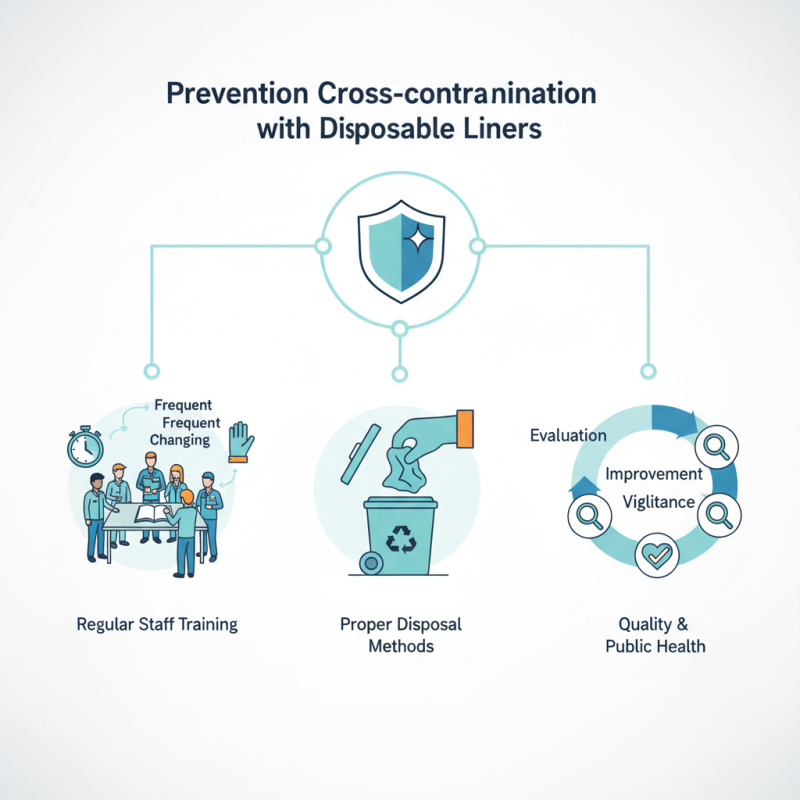
When implementing disposable liners, several practices can enhance effectiveness. Regular training for staff is essential. They must understand the importance of changing liners frequently and using them properly. Neglecting these details can lead to contamination risks. Furthermore, understanding proper disposal methods is equally important. Improper disposal could defeat the purpose of using liners.

It is clear that while disposable liners offer protection, they cannot eliminate all risks. Continuous evaluation and improvement of practices are necessary. Establishments should remain vigilant in their efforts to maintain a safe environment. This reflects a commitment to quality and public health.
How to effectively prevent cross-contamination with disposable liners?

Understanding Cross-Contamination and Its Risks in Food Handling

Cross-contamination poses significant risks in food handling. It occurs when harmful bacteria transfer from one surface or food to another. This can lead to foodborne illnesses. In kitchens, raw meats often carry bacteria like Salmonella or E. coli. If they touch vegetables or fruits without proper cleaning, those items become unsafe for consumption.

Using disposable liners can effectively mitigate these risks. They provide a barrier between raw and cooked foods, preventing direct contact. It's crucial to change these liners frequently, especially after handling raw items. However, not everyone realizes the importance of this step. Many forget to replace liners or assume they’re clean after a single use. This mindset can lead to dangerous situations.

Training staff in proper food handling techniques is essential. Understanding the risks of cross-contamination should be a priority. Simple practices can make a significant difference. Encourage everyone to be vigilant. Small oversights can have serious consequences, and reflecting on these habits can improve overall safety.

The Role of Disposable Liners in Preventing Cross-Contamination

Disposable liners serve as a crucial tool in preventing cross-contamination in various settings, such as food preparation and healthcare. Their primary function is to create a barrier between surfaces and the materials that may harbor harmful pathogens. By using these liners, individuals can significantly reduce the risk of transferring contaminants from one surface to another. This is especially important in high-traffic areas where the potential for contamination is higher.

The effectiveness of disposable liners hinges on proper usage. Selecting the right material is vital; some liners provide better protection than others. Additionally, ensuring that liners cover all necessary surfaces without gaps is critical. Neglecting to do so can lead to unintended cross-contamination. Regular training on the correct application of liners is essential. Even trained staff may overlook key steps if not reminded of the importance of these measures.

While disposable liners are beneficial, they are not infallible. There may be instances where liners become torn or dislodged, exposing surfaces to contaminants. Periodic review of procedures can help identify weaknesses in the current system. Engaging staff in discussions about their experiences with liners can shed light on practical issues that need addressing. Ongoing evaluation allows for improvements that foster a more hygienic environment.

Best Practices for Using Disposable Liners Effectively

Using disposable liners effectively can significantly reduce the risk of cross-contamination. It's essential to choose liners that fit your application well. Measure the size of your equipment and select liners that conform snugly. Loose liners can shift, allowing contamination to occur. Pay attention to how you handle these liners. Always wash your hands before touching clean liners to avoid transferring germs.

When positioning the liners, ensure they are placed correctly without wrinkles or folds. This helps maintain a barrier against contaminants. Dispose of used liners immediately. Don't leave them lying around, as they can become a source of contamination. Regularly check your procedures and staff training. Mistakes happen, and often, they're due to lack of awareness or oversight. Encourage a culture of cleanliness and attentiveness.

Reflect on your processes regularly. Are you minimizing waste while maintaining safety? Sometimes, it’s easy to overlook the importance of small details. Monitoring these practices is vital. Simple adjustments can make a big difference in preventing cross-contamination.

Steps to Ensure Proper Disposal of Disposable Liners

Effective disposal of disposable liners is critical to prevent cross-contamination. Proper disposal ensures that bacteria or harmful substances do not spread. Follow these steps to manage the disposal process effectively.

Always place used liners in a designated trash bag. This bag should be clearly marked for contaminated waste. Make sure the bag is sturdy and can contain the waste without leaking. If possible, tie the bag securely to reduce any risk of exposure.

One essential tip is to wear gloves when handling used liners. This action adds a layer of protection. Dispose of the gloves immediately after use. In some cases, it may take time to get used to these practices. Awareness of potential contamination will help reinforce the importance.

Another recommendation is to educate your team. Conduct training sessions on cross-contamination prevention. Discuss the consequences of improper disposal. Engaging discussions can change behaviors and improve safety. Reflect on areas that need improvement and adapt your procedures accordingly.

How to effectively prevent cross-contamination with disposable liners? - Steps to Ensure Proper Disposal of Disposable Liners

Step Action Purpose Best Practices
1 Use a separate bin Minimize contact with other waste Clearly label the bin for disposable liners
2 Securely seal liners Prevent leakage of contaminants Use tie closures or adhesive seals
3 Train staff Ensure proper disposal procedures are followed Conduct regular training sessions
4 Use biodegradable liners Reduce environmental impact Choose certified biodegradable products
5 Regular audits Ensure compliance with disposal standards Schedule periodic review meetings

Training Staff on the Importance of Contamination Prevention Techniques

Training staff on contamination prevention is crucial. A recent report indicates that 70% of foodborne illnesses stem from cross-contamination. Proper training can dramatically reduce these risks. Emphasizing the importance of using disposable liners can help maintain cleanliness. Staff should understand how these tools act as barriers.

Hands-on training sessions can reinforce these techniques. Role-playing scenarios can highlight the consequences of negligence. For example, a simple mistake like reusing a liner can lead to harmful bacteria spreading. Providing data on infection rates can increase awareness. An environment where staff feel confident will likely reduce contamination incidents.

Regular refresher courses are vital. They keep the importance of safety practices in focus. Observing employees in action can reveal both strengths and areas for improvement. Open discussions can foster a culture of safety. Monitoring compliance and feedback is essential. Through continuous learning, staff can become advocates for hygiene, ultimately benefiting the entire organization.

FAQS

: What are disposable liners used for?

: Disposable liners create a barrier to prevent cross-contamination in settings like food preparation and healthcare.

How do you choose the right disposable liner?

Select a liner that fits your equipment snugly to avoid shifting and contamination.

Why is correct placement of liners important?

Proper placement without wrinkles or folds helps maintain the barrier against contaminants.

What should you do with used disposable liners?

Dispose of them immediately to prevent them from becoming a source of contamination.

How often should you review practices related to disposable liners?

Regular reviews can identify weaknesses and keep staff aware of best practices.

Can disposable liners fail?

Yes, they can tear or dislodge, which exposes surfaces to contamination.

What are common mistakes in using disposable liners?

Overlooking the need for proper training and awareness can lead to errors.

How can staff contribute to effective liner use?

Engaging staff in discussions can highlight practical issues and improve practices.

What’s a simple way to improve hygiene?

Reflect on and adjust processes to minimize waste while maintaining safety.

Why is hand hygiene important when handling liners?

Washing hands prevents the transfer of germs to clean liners before use.

Conclusion

In the context of food handling, "How to prevent cross-contamination with disposable liners?" is a crucial question for ensuring food safety. The article outlines the risks associated with cross-contamination and emphasizes the importance of understanding these risks in food-related environments. Disposable liners play a vital role in preventing cross-contamination by providing a barrier between raw and cooked foods, thereby minimizing the chances of harmful bacteria spreading.

To use disposable liners effectively, best practices are highlighted, such as ensuring they fit properly and are replaced regularly. Additionally, the article stresses the need for proper disposal methods to avoid contaminating the surrounding area. Training staff on contamination prevention techniques is also essential, establishing a culture of safety and awareness in handling food. Implementing these strategies can significantly enhance food safety and hygiene within food service operations.

Oliver

Oliver

Oliver is a seasoned marketing professional with a wealth of expertise in driving brand awareness and engagement. With a deep understanding of our company's product offerings, he consistently delivers high-quality content that enriches our professional blog. His insights not only shed light on......