How to Sterilize Flexible Packaging with Gamma Irradiation?

Time:2026-09-14 Author:Amelia
0%

Flexible packaging protects sterile medical devices, pharmaceutical products, and selected healthcare supplies during storage and transport. Its films, seals, inks, and adhesives must remain intact after treatment. Gamma irradiation can penetrate sealed packages and reach complex product shapes without opening the sterile barrier. This makes it useful when manufacturers need a validated process after final packaging.

Why use gamma irradiation for sterilizing flexible packaging? The process uses Cobalt-60 energy to reduce viable microorganisms to a controlled sterility assurance level. Unlike heat-based methods, gamma treatment operates at relatively low temperatures. This can benefit temperature-sensitive packaging systems and finished products. It also supports high-throughput processing through established industrial irradiation facilities.

However, successful sterilization requires more than selecting a radiation dose. Packaging engineers should evaluate seal strength, puncture resistance, discoloration, odor, and material embrittlement. Polyethylene, polypropylene, multilayer films, and adhesive structures may respond differently. Small details matter. A clear pouch can become yellow, brittle, or difficult to open after excessive exposure.

Reliable development follows documented risk assessment, dose mapping, bioburden evaluation, and routine dosimetry. ISO 11137 provides a recognized framework for validating radiation sterilization processes. Experienced teams also test the complete package, not only individual film samples. Real shipments may involve compression, humidity, vibration, and long storage periods. Results should be reviewed by qualified microbiology, packaging, and quality professionals.

Gamma irradiation is powerful, but it is not a magic switch. Material compatibility, product geometry, and facility controls can change the outcome. Some conclusions may require further aging data or repeat testing. A careful, evidence-based approach helps manufacturers protect sterility, package performance, and patient safety.
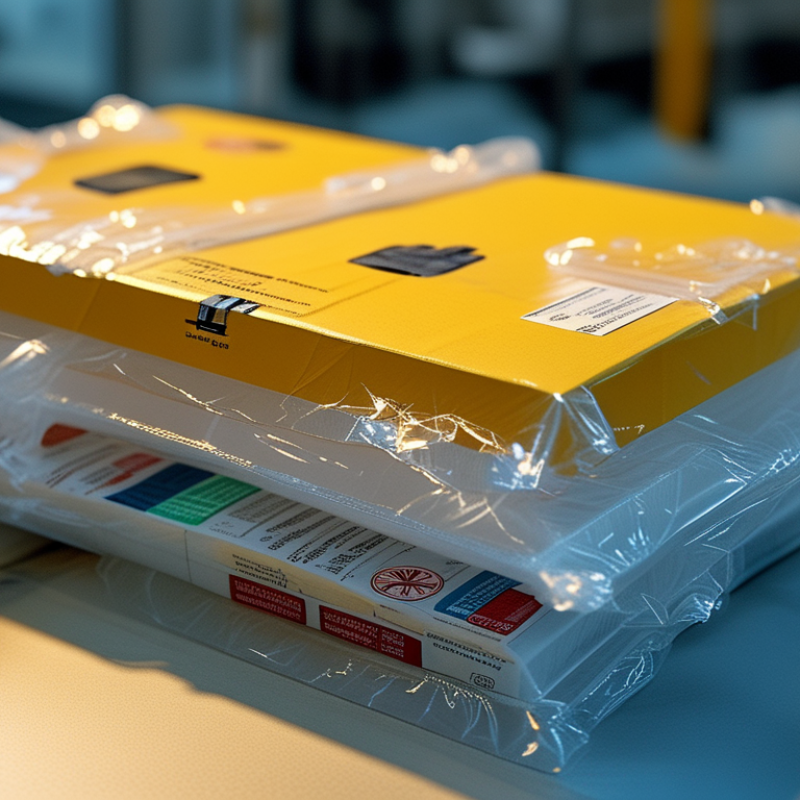
How to Sterilize Flexible Packaging with Gamma Irradiation?

Flexible Packaging Materials Suitable for Gamma Sterilization

Flexible packaging must tolerate gamma energy without losing its protective function. Commonly suitable materials include polyethylene, polypropylene, polyester, polyamide, and multilayer films with compatible sealants. Their performance depends on grade, thickness, additives, and the target radiation dose. A film can look unchanged yet become brittle after irradiation. That risk matters.

In practical validation, packaging engineers inspect seal strength, puncture resistance, elongation, and visual clarity before and after exposure. Medical pouches, lidding films, and fluid bags often use carefully selected flexible structures. Polyethylene-based films may offer good flexibility, while polyester layers can improve dimensional stability and barrier performance. Polyamide can add toughness, but moisture and dose effects require testing. Multilayer construction is not automatically safer. Adhesives and printing inks must also remain stable under the validated process.

The package should be irradiated in its final configuration, including contents, seals, labels, and protective overwraps. Dose mapping confirms whether dense loads create underexposed zones or excessive exposure near the source. A reliable study uses representative samples, multiple dose levels, and aging checks after treatment. Results should be recorded with material specifications and acceptance limits. One weakness remains common: teams sometimes test only appearance. That is not enough. A clear film may still lose seal integrity months later.

How to Sterilize Flexible Packaging with Gamma Irradiation?

Flexible packaging materials commonly considered for gamma sterilization, ranked by practical compatibility in typical medical-packaging applications.

PET, polyethylene, and polypropylene are widely used because they generally maintain useful mechanical and barrier performance at commonly validated gamma doses, often around 25 kGy. Polyamide and EVOH can also be used, but discoloration, oxidation, embrittlement, or barrier loss may be more formulation-dependent. Final suitability must be confirmed through dose mapping, package integrity testing, and material-specific validation.

Preparing Flexible Packaging for Gamma Irradiation

How to Sterilize Flexible Packaging with Gamma Irradiation?

Preparing flexible packaging for gamma irradiation begins with material selection. Polyethylene, polypropylene, polyester, and multilayer films can respond differently to radiation. The final laminate should be tested, not assumed safe. ISO 11137-1:2015 requires a validated sterilization dose, rather than automatically applying 25 kGy. Dose requirements depend on bioburden, product use, and the selected substantiation method. That distinction matters.

Keep packages clean before irradiation. Dust, moisture, and loose fibers can complicate sealing and bioburden testing. Use controlled handling areas. Record film lot, seal temperature, dwell time, and seal width. A 2023 industry survey by the Sterile Barrier Association reported that seal integrity and material compatibility remain frequent packaging concerns. Small wrinkles deserve attention. They can hide weak seals.

Arrange pouches with consistent spacing during dose mapping. Dense cartons may receive uneven exposure. ISO 11137-3:2017 recommends measuring dose distribution throughout the product load. Place dosimeters near expected minimum and maximum dose locations. After irradiation, inspect for yellowing, brittleness, odor, delamination, and reduced seal strength. ASTM F88 testing can quantify seal performance before and after exposure. Accelerated aging under ASTM F1980 may reveal delayed embrittlement, although it cannot replace real-time aging. Some packaging tests fail because samples are tested too neatly. Production handling is rougher. Design verification should include folded, compressed, and partially filled pouches.

How to Sterilize Flexible Packaging with Gamma Irradiation? – Preparing Flexible Packaging for Gamma Irradiation
Preparation Stage Key Dimension Recommended Practice Typical Technical Reference Verification Before Release
1. Define the Sterilization Objective Required absorbed dose Set the target dose and allowable minimum/maximum dose through a documented dose-validation study. Do not select a universal dose without considering the product, packaging, and required sterility assurance level. A commonly used reference dose for radiation sterilization is 25 kGy, but validated processes may use different dose ranges, including lower or higher doses where justified. Validated dose range
Minimum and maximum dose limits are documented and approved.
2. Select the Film Structure Polymer and layer compatibility Review every layer, including sealant, adhesive, tie layer, printing ink, coating, and barrier layer. Common flexible-packaging polymers such as polyethylene, polypropylene, polyester, polyamide, and ethylene-vinyl alcohol may respond differently to gamma exposure. Gamma radiation can cause polymer chain scission, crosslinking, discoloration, odor generation, or changes in mechanical properties, depending on formulation and dose. Material review complete
Supplier specifications and radiation-resistance data are available for all layers.
3. Control Product Cleanliness Bioburden before irradiation Manufacture and pack the material under controlled hygienic conditions. Establish routine bioburden monitoring before irradiation because the initial microbial load affects process validation and dose control. Bioburden is normally expressed as colony-forming units per packaging unit or per defined surface area. The sampling plan should be risk-based and statistically justified. Bioburden within limit
Test results meet the approved specification before shipment to the irradiator.
4. Design the Seal Seal strength and integrity Use a sealant layer and sealing process that maintain integrity after irradiation. Define seal temperature, pressure, dwell time, seal width, and allowable seal defects. Packaging integrity testing commonly includes visual inspection, seal-strength testing, dye penetration, bubble testing, or other validated leak methods. Seal system qualified
No channels, open seals, wrinkles across the seal, or unsealed areas are observed.
5. Manage Oxygen and Moisture Sensitivity Barrier performance Measure oxygen transmission rate and water-vapor transmission rate before and after irradiation when the packaged product is sensitive to oxygen or moisture. Include the actual packaging configuration in testing. Radiation exposure may alter barrier performance through chemical changes, embrittlement, microdefects, or changes in adhesive and coating behavior. Barrier performance acceptable
Post-irradiation results remain within the product-specific specification.
6. Prepare the Load Configuration Package orientation and density Use the intended carton, tote, or pallet arrangement during dose mapping. Keep package orientation, spacing, product density, and material quantity representative of routine processing. Gamma dose distribution depends on product density, package geometry, source-to-product distance, and the irradiation pathway. Dense or irregular loads can increase dose variation. Load pattern approved
The production load configuration matches the validated dose-mapping configuration.
7. Conduct Dose Mapping Minimum-to-maximum dose ratio Place calibrated dosimeters at locations expected to receive the lowest and highest doses. Use the mapping results to confirm that all packaging units receive the required minimum dose without exceeding the material or product maximum. Dose mapping should be performed using a recognized dosimetry system and documented irradiation protocol. The acceptable dose uniformity ratio is product- and facility-specific. Dose distribution confirmed
Dosimeter results meet the approved minimum and maximum dose criteria.
8. Evaluate Appearance Changes Color, haze, odor, and surface condition Inspect transparent and printed films for yellowing, haze, fading, odor, surface tackiness, cracking, and delamination after irradiation and during storage. Polymer oxidation and additive reactions can produce visible or sensory changes. Effects may continue to develop during post-irradiation aging. Appearance accepted
Results meet approved visual, odor, and handling requirements at release and after aging.
9. Test Mechanical Performance Tensile strength, elongation, puncture, and tear Compare irradiated and non-irradiated samples using the same test methods, specimen conditioning, and sampling locations. Include filled packages where product interaction may influence performance. Radiation can change tensile properties, elongation, puncture resistance, and flexibility. Acceptance limits should reflect the intended handling and distribution conditions. Mechanical criteria met
All critical properties remain within the approved specification.
10. Check Chemical Compatibility Extractables, leachables, and odor Assess whether irradiation changes inks, adhesives, coatings, additives, or the packaged product. Use chemical and sensory evaluations appropriate to the intended application. Radiation may generate degradation products or alter migration behavior. Food, pharmaceutical, and medical applications require application-specific regulatory assessment. Compatibility documented
Required chemical, sensory, and regulatory evaluations are complete.
11. Verify Sterility Performance Sterility assurance and process validation Perform microbiological validation using a documented protocol. Confirm that the validated dose achieves the required sterility assurance level while preserving packaging integrity and product quality. Radiation sterilization validation typically combines bioburden characterization, dose establishment, dose audits, dosimetry, and sterility testing as appropriate to the application. Process validated
Validation records, dose audits, and release criteria are approved.
12. Define Storage and Transport Post-irradiation stability Store irradiated packaging under defined temperature, humidity, light, and time conditions. Evaluate properties at the end of the proposed shelf life and after representative distribution stresses. Radiation-induced oxidation and polymer-property changes can progress after processing, especially under heat, oxygen, or light exposure. Shelf life supported
Packaging remains functional and compliant throughout the approved storage period.
Important: Gamma irradiation parameters must be established and validated for the specific packaging construction, product, load configuration, and intended application. The values shown are general industry references and are not a substitute for dose mapping, material testing, microbiological validation, or applicable regulatory requirements.

Selecting the Appropriate Gamma Radiation Dose

How to Sterilize Flexible Packaging with Gamma Irradiation?

Selecting the Appropriate Gamma Radiation Dose

Gamma sterilization uses cobalt-60 photons to reduce microorganisms inside sealed flexible packaging. The dose must match the product, not a convenient industry habit. ISO 11137-1 identifies a sterility assurance level of 10^-6 for validated sterilization processes. However, 25 kGy is not automatically correct. ISO 11137-2 describes VDmax25, a verification method supporting a maximum dose of 25 kGy under defined bioburden conditions.

Start with bioburden testing, material screening, and dose mapping. Map the minimum and maximum dose across loaded cartons, especially near dense folds and seal areas. A validated range might be 15–25 kGy, but actual limits depend on microbial resistance and packaging construction. Multilayer films can yellow, lose flexibility, or develop odor after irradiation. High-dose exposure may also change seal strength and barrier performance. Small pilot runs matter. They reveal problems that paperwork misses.

Tips: Record dose uniformity ratios for every loading pattern. Test seal strength, visual clarity, tensile performance, and package integrity after irradiation and aging. Review the results against ISO 11137 and applicable packaging standards. A 25 kGy default can be convenient—and wrong. Do not ignore the minimum dose. It may fail sterilization targets. Do not ignore the maximum dose either. That is where packaging damage often appears.

Validating Sterility and Packaging Performance

How to Sterilize Flexible Packaging with Gamma Irradiation?

Gamma irradiation can sterilize flexible medical packaging after sealing, but dose alone does not prove success. ISO 11137-1:2015 requires documented dose mapping, routine dose monitoring, and process control. ISO 11137-2 identifies 25 kGy as an established substantiation route, not a universal prescription. The target sterility assurance level is commonly 10⁻⁶, meaning one nonsterile unit per million sterilized units. Bioburden results must support that claim.

Packaging performance needs equal attention. ISO 11607-1:2019 requires materials and sterile barrier systems to maintain integrity through sterilization, handling, and storage. Test filled pouches, not empty film samples. Inspect seals for wrinkles, channels, discoloration, and brittle edges after irradiation. A clean-looking pouch can still fail. Use dye penetration, bubble leak, seal-strength, and visual inspection methods. ASTM F1980 also supports accelerated aging studies, but real-time aging remains valuable evidence.

Gamma exposure can alter polymer flexibility, color, and seal strength. The risk increases with higher accumulated dose and sensitive additives. Compare irradiated samples with untreated controls. Record minimum and maximum absorbed doses from every validation load. Independent laboratories can strengthen credibility, especially when results conflict. Some packaging trials fail quietly because operators test only immediately after irradiation. That is not enough. Recheck samples after aging, transport simulation, and repeated handling. The weak point is often the seal, not the film. Validation should reflect actual production variation, not an ideal laboratory pouch.

Handling and Storing Gamma-Sterilized Packaging

Gamma-sterilized flexible packaging needs controlled handling after irradiation. ISO 11137-1 defines a common sterility assurance level of 10⁻⁶. That means no more than one non-sterile unit per million sterilized units.

Keep pouches in their original cartons until use. Store them in a clean, dry room away from sunlight, ozone sources, sharp edges, and compression. Temperature and humidity limits should follow the validated packaging specification. A cool warehouse is not automatically a safe warehouse. Excess humidity can weaken seals, while repeated bending may create tiny channels that are difficult to see. Inspect cartons for crushing, dust, moisture stains, and broken closures. Do not rely only on visual inspection. Seal strength and package integrity testing remain important quality checks.

Tips: Use FIFO rotation and record lot, irradiation date, storage conditions, and inspection results. ASTM F1980-21 identifies 55°C as a commonly used accelerated-aging condition, but accelerated results cannot replace real-time aging. Keep reserve samples for comparison. One practical weakness is often overlooked: workers may handle sterile packs with contaminated gloves. Train them to touch only the outer surface. If a pouch is wet, punctured, or unusually brittle, quarantine it. The correct response is sometimes slower than expected. That is preferable to guessing.

FAQS

What gamma radiation dose is suitable for flexible packaging?

The correct dose depends on bioburden, material sensitivity, and packaging design. A 25 kGy dose is not automatically suitable. Validate the real dose range.

Why should bioburden testing happen before dose selection?

Bioburden testing shows the number and resistance of microorganisms present. These results support the intended sterility assurance level. Guessing creates avoidable risk.

What does dose mapping evaluate?

Dose mapping measures minimum and maximum absorbed doses throughout loaded cartons. Check dense folds, seal areas, corners, and central packages. Uniformity matters.

Can gamma irradiation damage flexible packaging?

Yes. Exposure may cause yellowing, odor, stiffness, or reduced flexibility. It can also weaken seals and barrier performance. The pouch may look fine but fail later.

What packaging tests should follow irradiation?

Test seal strength, dye penetration, bubble leakage, visual appearance, and package integrity. Use filled pouches, not only empty film samples. Empty samples can mislead.

Why is testing after aging important?

Some failures appear after storage, transport simulation, or repeated handling. Inspect seals after accelerated and real-time aging when possible. Immediate results are incomplete.

How should validation loads represent production?

Validation should include actual carton loading patterns and normal production variation. Record dose uniformity for every loading pattern. An ideal laboratory pouch is not enough.

What should happen if minimum and maximum doses create different problems?

The minimum dose must support microbial reduction targets. The maximum dose must protect seals, flexibility, and barrier properties. Review the process window carefully. There may be no easy answer.

Conclusion

Gamma irradiation is an effective method for sterilizing flexible packaging used in applications that require a high level of cleanliness and product protection. Why use gamma irradiation for sterilizing flexible packaging? It can treat sealed packaging without relying on high temperatures or moisture, making it suitable for many films, laminates, pouches, and other heat-sensitive materials. Before processing, packaging should be inspected for defects, cleaned, properly arranged, and protected from unnecessary compression or contamination.

The radiation dose must be selected according to the packaging material, intended application, and required sterility level. Dose mapping and validation help confirm that all areas receive adequate exposure while minimizing changes in flexibility, strength, sealing performance, appearance, and barrier properties. After irradiation, sterility testing and packaging performance evaluations should be completed. The sterilized packaging should then be clearly identified, handled with clean procedures, and stored in a controlled environment that protects it from moisture, excessive heat, sunlight, punctures, and recontamination.

Amelia

Amelia

Amelia is a seasoned marketing professional with a wealth of expertise in our company’s core offerings. With an unwavering passion for driving growth and innovation, she plays a pivotal role in shaping our marketing strategies and enhancing brand visibility. A key aspect of her responsibilities......