In the pharmaceutical industry, cleanliness is paramount. Understanding "What makes a bag 'ultra-clean' for pharmaceutical use?" is essential for maintaining product integrity. Dr. Emily Carter, a leading expert in pharmaceutical packaging, emphasizes, "The slightest contamination can compromise drug efficacy."
Ultra-clean bags are designed to minimize contamination risks. These bags undergo stringent manufacturing processes. Controlled environments and materials play a critical role. Specialized materials prevent microbial growth, ensuring safety. The use of sterile barriers and validated cleaning protocols adds another layer of security.
However, achieving ultra-clean status is not without challenges. Manufacturers must constantly evaluate their processes. Even small lapses can lead to significant issues. Striking a balance between cost and cleanliness is crucial. The industry must reflect on current practices to enhance safety standards.
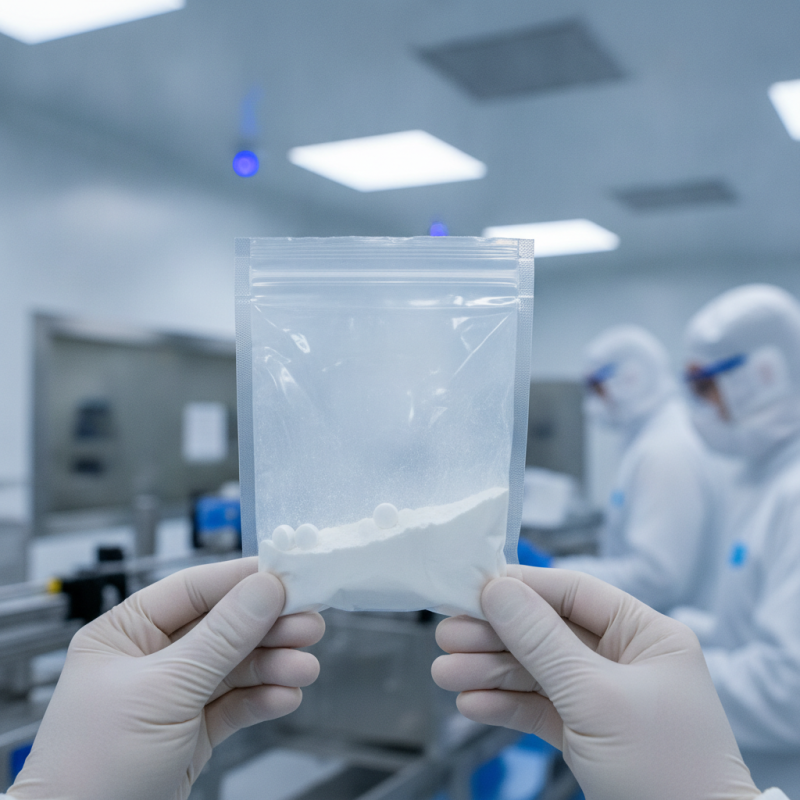
Ultra clean bags play a crucial role in the pharmaceutical industry. Their primary purpose is to safeguard sensitive products from contamination. A recent report by MarketsandMarkets highlights that the global pharmaceutical packaging market is expected to reach $600 billion by 2025. This surge underscores the importance of quality packaging, especially where contamination levels must be minimal.
Pharmaceuticals are particularly vulnerable to microbial contamination. It's noted that even a single microbe can lead to product failure. Additionally, up to 70% of product recalls are linked to contamination issues. Ensuring that ultra clean bags meet stringent industry standards is essential. Many facilities conduct regular audits, but a significant number still struggle with compliance. This indicates a need for continuous improvement in practices and technology.
Investing in advanced sterilization techniques can help companies meet their packaging requirements. However, it’s not a one-size-fits-all solution. Each product may require a unique combination of materials and processes. Hence, manufacturers should conduct thorough risk assessments. Regular training for employees about handling these bags is equally crucial. Even minor oversights can lead to major setbacks. The challenge remains: maintaining ultra-clean conditions throughout the entire supply chain.
| Tip | Description | Benefits |
|---|---|---|
| 1. Choose the Right Material | Select materials that are resistant to contamination and easy to sterilize. | Reduces the risk of contamination and maintains product integrity. |
| 2. Implement Proper Handling Procedures | Train staff on best practices for bag handling to avoid contamination. | Enhances safety and ensures compliance with regulatory standards. |
| 3. Use Sterilization Techniques | Apply appropriate sterilization methods such as UV or gamma irradiation. | Increases the efficacy of the bags in maintaining sterility. |
| 4. Regular Quality Checks | Conduct routine inspections and testing of bags for cleanliness. | Helps in early detection of issues and ensures consistent quality. |
| 5. Invest in Maintenance | Maintain equipment and facilities to support clean bag usage. | Promotes long-term efficiency and reliability in pharmaceutical operations. |
: They protect sensitive products from contamination during storage and transport.
Even a single microbe can cause product failure and safety concerns.
About 70% of product recalls are tied to contamination issues.
Regular audits and adopting strict industry standards are essential for compliance.
Proper training helps prevent oversights that could lead to contamination.
Over 70% of contamination issues stem from improperly cleaned bags.
Routine microbial testing and particulate monitoring can significantly reduce contamination.
Humidity and temperature can influence mold growth on bags.
Each product may need distinct materials and processes for effective sterilization.
Some batch tests may overlook hidden contamination, which is concerning.
In the pharmaceutical industry, maintaining a sterile environment is crucial for ensuring drug safety and efficacy. This leads to the importance of ultra clean bags, specifically designed to minimize contamination. What makes a bag "ultra-clean" for pharmaceutical use is its manufacturing process, which utilizes key materials that are resistant to chemical reactions and microbial growth. Best practices for cleaning and sterilizing these bags are essential, involving methods that ensure complete elimination of contaminants.
Moreover, monitoring and testing the cleanliness of pharmaceutical bags is vital for compliance with stringent regulatory standards. Regular assessment guarantees that these bags retain their integrity and cleanliness throughout their use in medicinal applications. By adhering to these guidelines, the pharmaceutical industry can uphold the highest standards in product safety while effectively utilizing ultra clean bags.

 U-Care Medical