High-performance processing components, containment packaging, and control systems designed to maintain strict aseptic integrity across global supply chains.
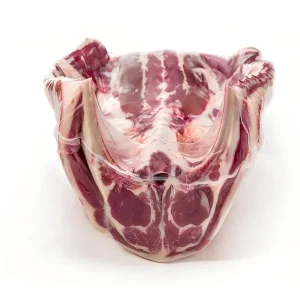
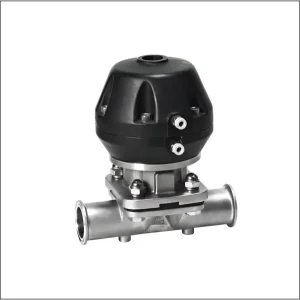
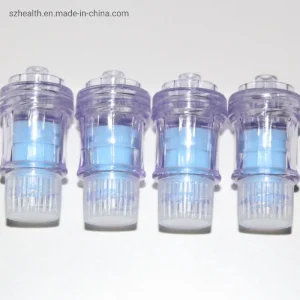
In an era defined by rapid biotechnological advancement and heightened global health surveillance, the validation and deployment of CE certified biosecurity equipment have transitioned from standard compliance requirements to critical operational strategies. Globally, pharmaceutical manufacturers, clinical research organizations (CROs), and industrial processing facilities operate under zero-tolerance thresholds for cross-contamination, pathogenic release, and environmental breach. Biosecurity equipment, spanning fluid control dynamics, sterile barrier films, and mechanical sterilization systems, acts as the primary defense against biological hazards.
The execution of effective contamination control strategies (CCS) demands engineering integrity at every interface. This includes the molecular barrier properties of multi-layer co-extruded films used in single-use bioreactors, the sanitary tolerances of diaphragm control valves, and the mechanical reliability of high-pressure fluid transfer components. Each component must be engineered to withstand rigorous cleaning-in-place (CIP), sterilization-in-place (SIP), or gamma-irradiation cycles while maintaining hermetic isolation.
The biosecurity and cleanroom processing sectors are experiencing rapid transformation. Organizations must monitor and integrate these shifting Dynamics:
Transitioning from traditional stainless steel multi-use vessels to flexible, disposable single-use systems reduces validation timelines, eliminates cross-contamination risks, and lowers capital expenses.
Deploying advanced polymers, such as 7-layer co-extruded PA/EVOH films, delivers high gas barrier resistance (oxygen and moisture) and exceptional chemical compatibility, preserving high-purity media.
Transitioning to pneumatic-actuated diaphragm control valves and sanitary connectors enables touchless process automation, reducing manual operating errors in containment zones.
Procurement departments within multinational life sciences, agricultural, and biochemical enterprises must balance regulatory compliance with cost-effectiveness. In particular, CE marking is a mandatory entry requirement for European markets, confirming that systems comply with safety, health, and environmental protection guidelines. When sourcing components like sanitary hoses, bioprocess storage systems, or needle-free injection valves, industrial buyers prioritize three primary parameters:
Every component coming into contact with biological agents or active pharmaceutical ingredients (APIs) must feature a clear documentation trail. This includes compliance with FDA 21 CFR Part 177, USP Class VI requirements, and cleanroom packaging certificates. A robust supply chain provides comprehensive documentation (IQ/OQ validation protocols, Mill Test Certificates) to simplify site validation.
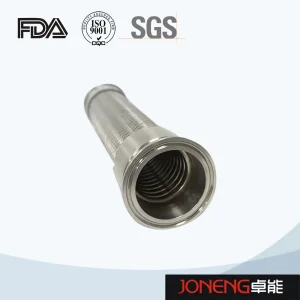
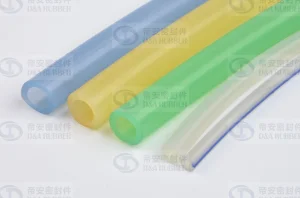
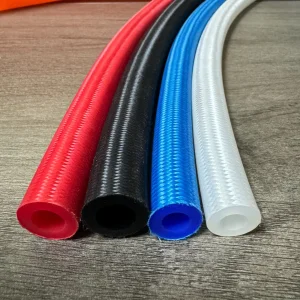
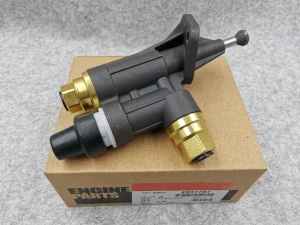
High-temperature silicone hoses, sanitary clamp-connected flexible lines, and diaphragm valves are exposed to cyclic thermal and physical stress. For instance, peristaltic pump hoses must maintain consistent elasticity without cracking, and diaphragm valves must guarantee hermetic shut-off even after thousands of cycles. Material degradation directly impacts operational run times and product purity.
In pathogen treatment systems, livestock carcass processing, or waste management environments, equipment is subjected to strong disinfectants, chemical sanitizers, and high mechanical loads. High-density geomembranes and co-extruded films must resist microbial attack, chemical degradation, and physical punctures, ensuring long-term containment integrity.
Integrating regulatory compliance, advanced materials science, and cleanroom manufacturing to support global biosecurity and pharmaceutical containment.
Changzhou U-Care Medical Co., Ltd. was established in 2014 and is located in Changzhou, Jiangsu Province, within the core region of the Yangtze River Delta—one of China’s most dynamic and economically advanced areas. Benefiting from a strategic location and convenient transportation network, the company enjoys strong access to both domestic and international markets.
U-Care Medical has accumulated extensive experience in the manufacturing of medical and pharmaceutical packaging products. The company is dedicated to the research, development, and production of high-quality disposable medical and pharmaceutical packaging materials. With a focus on innovation and reliability, U-Care strives to provide safe, efficient, and customized solutions to meet the evolving needs of healthcare and pharmaceutical industries worldwide.
The company is equipped with modern production facilities and adheres strictly to industry standards and quality management systems. From raw material selection to final product delivery, every step is carefully controlled to ensure product consistency, safety, and compliance with international regulations.
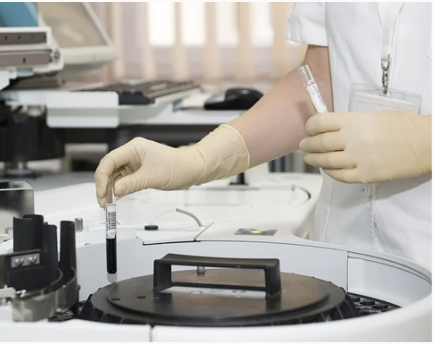
We always place product quality at the highest priority. Customer satisfaction is the driving force behind our continuous improvement and development. From inline sensor monitoring to final microbiological testing, we maintain cleanroom standards to deliver safe packaging materials.
We are committed to building long-term partnerships with our clients by adhering to honest and transparent business practices, never compromising on ethics or authenticity. Full traceabilty and raw material certifications are provided for every batch.
Through continuous innovation and refinement, we strive to develop more practical, reliable, and high-performance packaging solutions that support the stable and safe use of our customers’ products.
To become a trusted global provider of medical and pharmaceutical packaging solutions by consistently delivering superior quality, innovation, and customer-focused services.
To support the healthcare industry with safe, reliable, and efficient packaging products, contributing to better protection and delivery of medical products worldwide.
The integration of Factory 4.0 principles into China's medical and bioprocess manufacturing sector has redefined global component sourcing. Changzhou U-Care Medical Co., Ltd. utilizes automated cleanrooms, precision extrusion lines, and digital quality management systems to deliver high-quality barrier solutions and bioprocess interfaces at scale.
Our manufacturing setup in the Yangtze River Delta offers several key advantages for international procurement:
Multi-layer co-extrusion technology controls the layer distribution of PA and EVOH within tight tolerances, ensuring reliable barrier performance against oxygen permeation and moisture transfer.
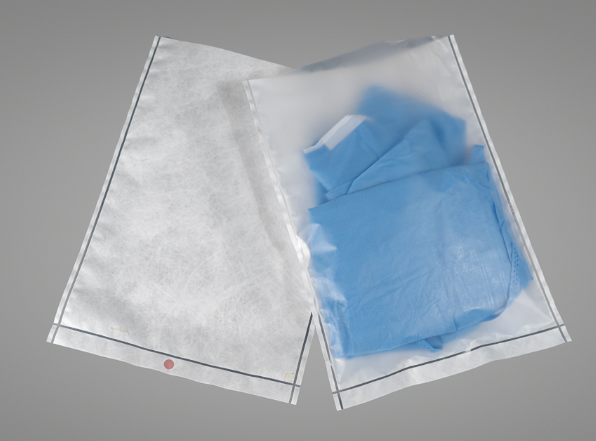
Critical assembly operations, such as needle-free injection connectors, bioprocess storage bag welding, and sanitary silicone tubing extrusion, take place in controlled dust-free cleanroom environments to minimize particulate and endotoxin contamination risks.
Direct proximity to international shipping hubs in Shanghai and Ningbo ensures efficient freight logistics, enabling reliable delivery schedules for global project execution.
Factory 4.0 also integrates real-time manufacturing monitoring, electronic batch records, and complete quality traceability. This ensures that every shipped batch of barrier films, sanitary hoses, or bioreactor components conforms to international quality standards.
Biosecurity and high-purity containment equipment are deployed across various industrial environments, each presenting unique engineering demands:
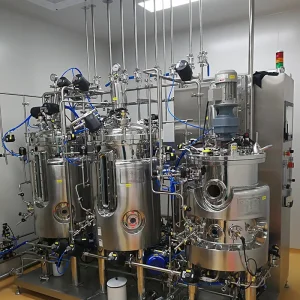
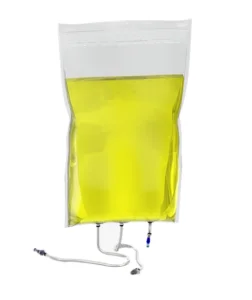
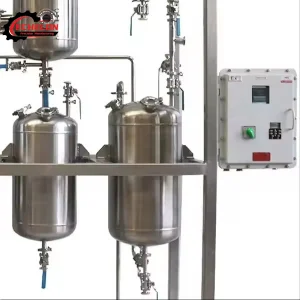
In sterile drug formulation and monoclonal antibody (mAb) cultivation, the liquid pathway must remain completely closed. Single-use bioreactor bags paired with high-temperature silicone tubing and pneumatic diaphragm valves eliminate clean-in-place (CIP) validation steps, allowing facilities to execute rapid campaign turnarounds.
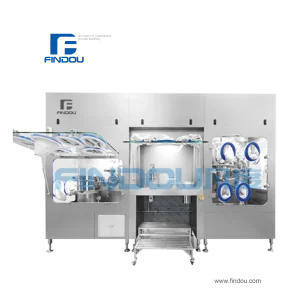
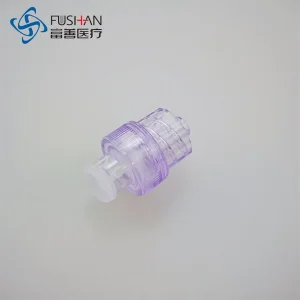
Research laboratories working with high-threat pathogens require robust physical barriers. Hermetic containment, secure transfer lines, and sterile needle-free luer-lock connectors enable safe sampling, sample addition, and intermediate harvest operations while protecting operators from exposure.
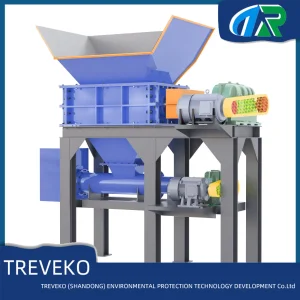
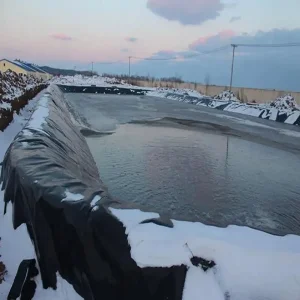
Containment is equally critical in biowaste management, wastewater storage, and agricultural pathogen treatment. Heavy-duty geomembranes, chemical-resistant liners, and carcass treatment shredders prevent liquid run-offs and airborne pathogens from entering local water tables and ecosystems, protecting surrounding biospheres.
Addressing technical, regulatory, and mechanical questions for biosecurity procurement and engineering.
Sanitary containment liners, fluid transfer channels, and high-purity processing equipment for global cleanrooms.


 U-Care Medical