U-Care Medical
1 / 5
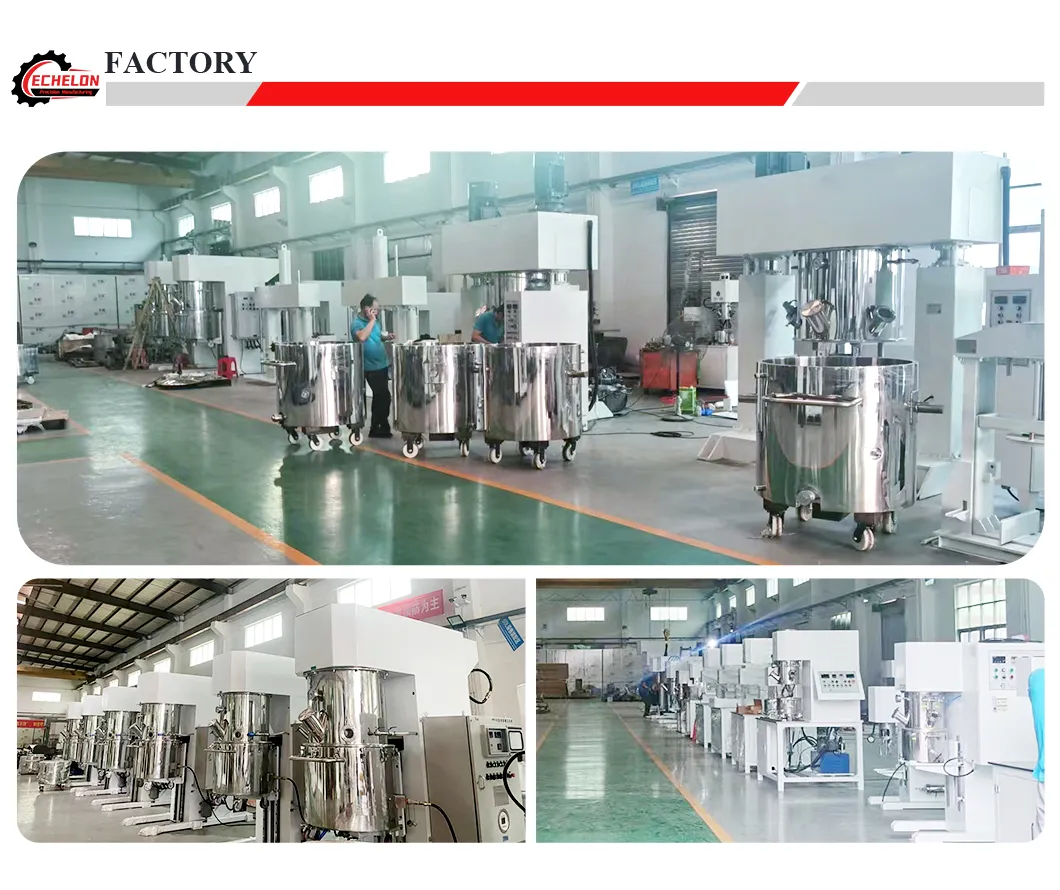
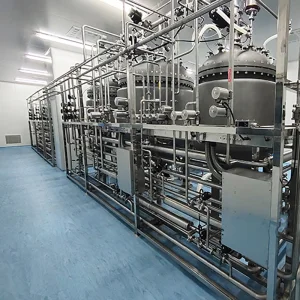
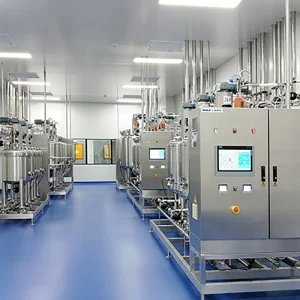
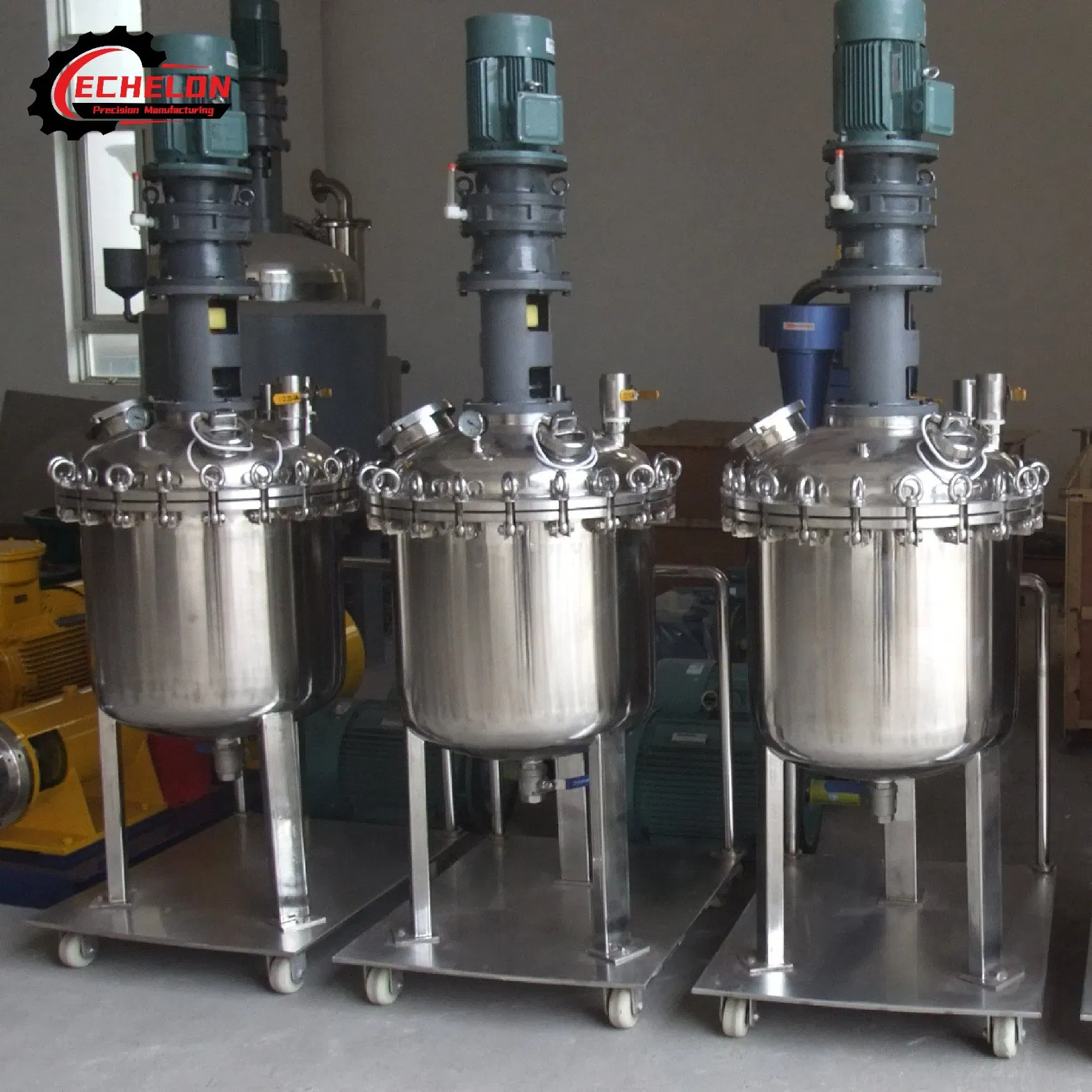
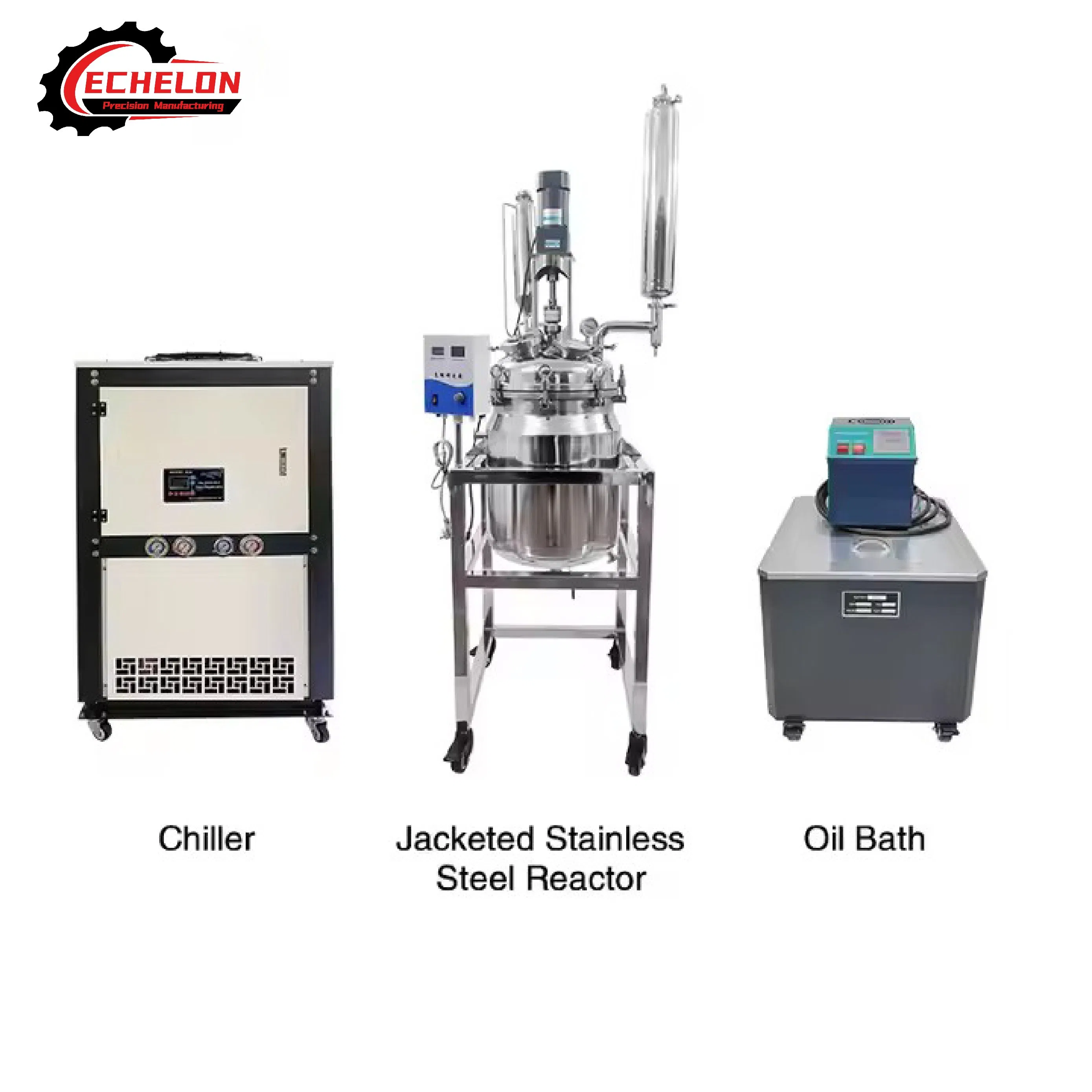
Main technologies and products include the design, manufacture, and installation of chemical equipment for resins, adhesives, coatings, and hot melt adhesives. This equipment is essential for MS glue, silicone, structural glue, and electronic potting glue production.
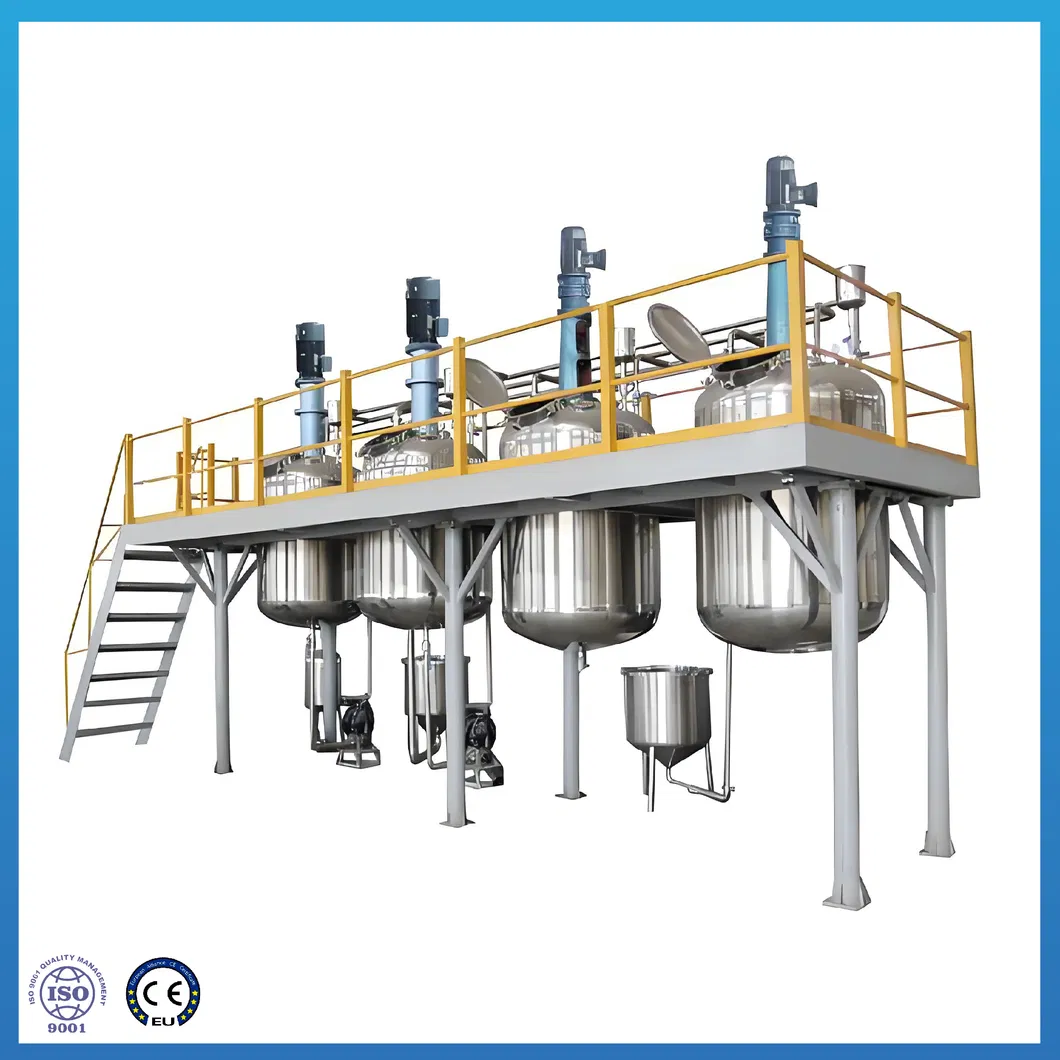
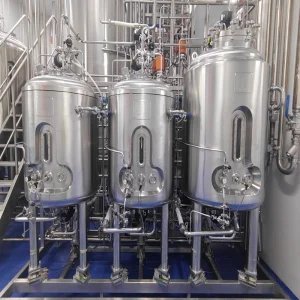
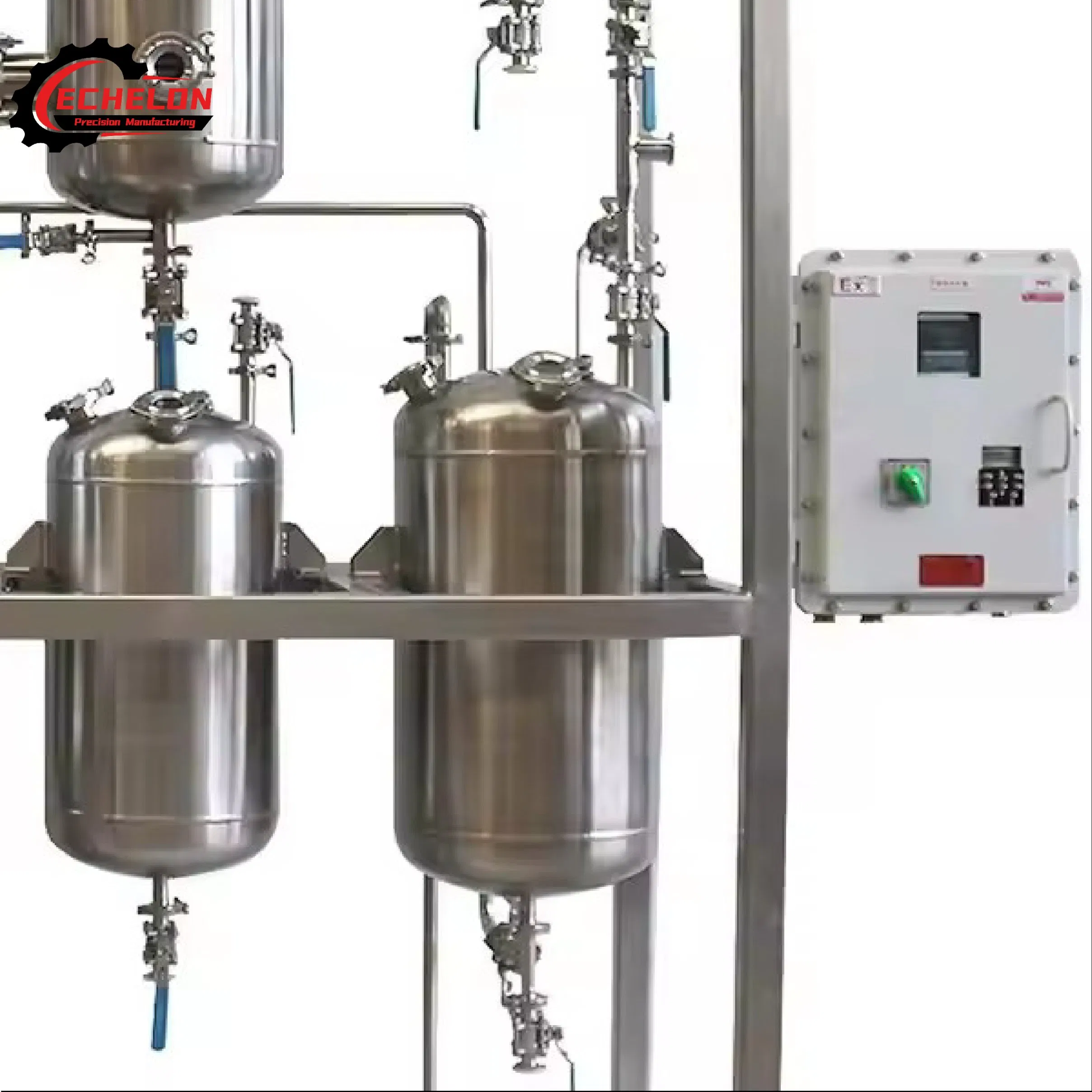
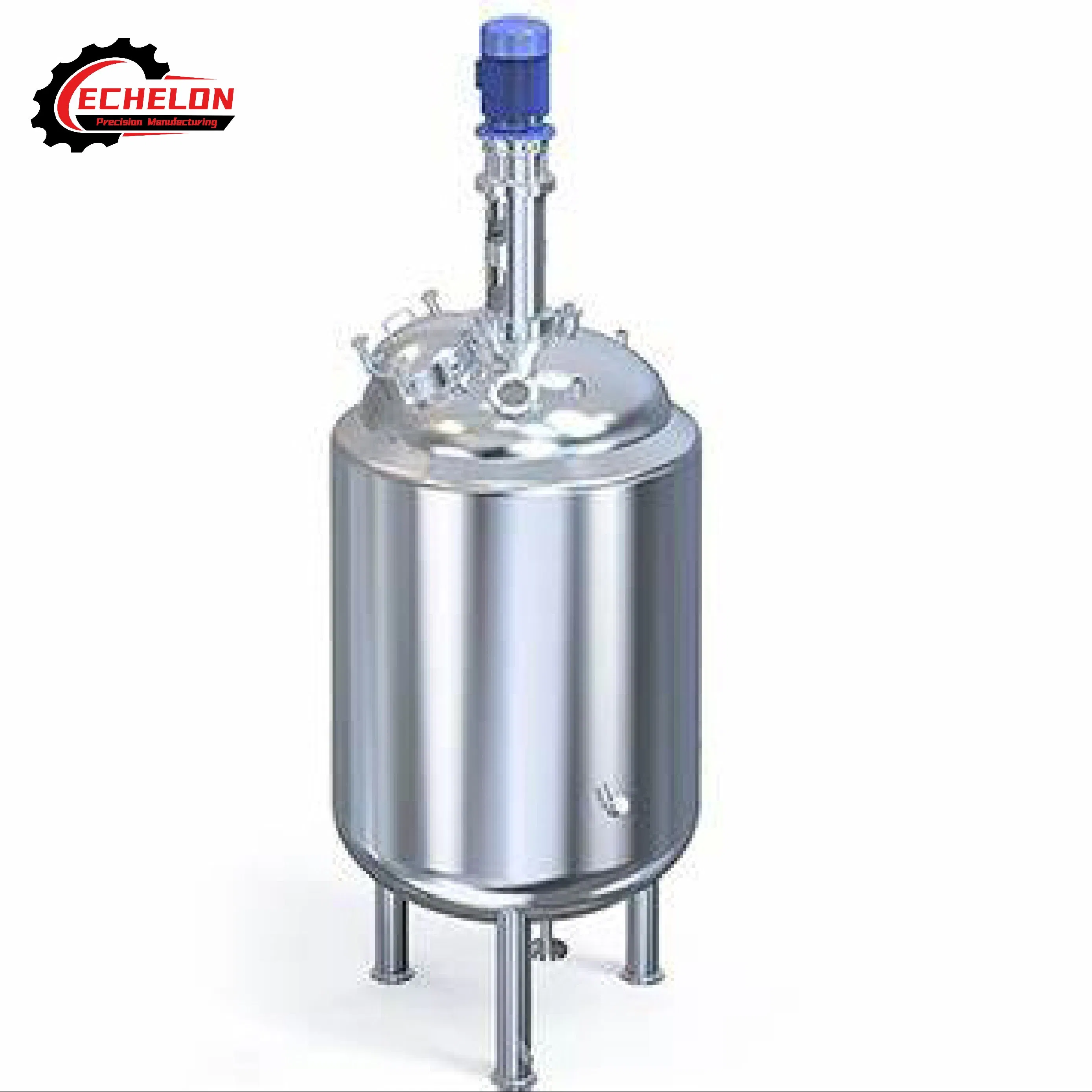
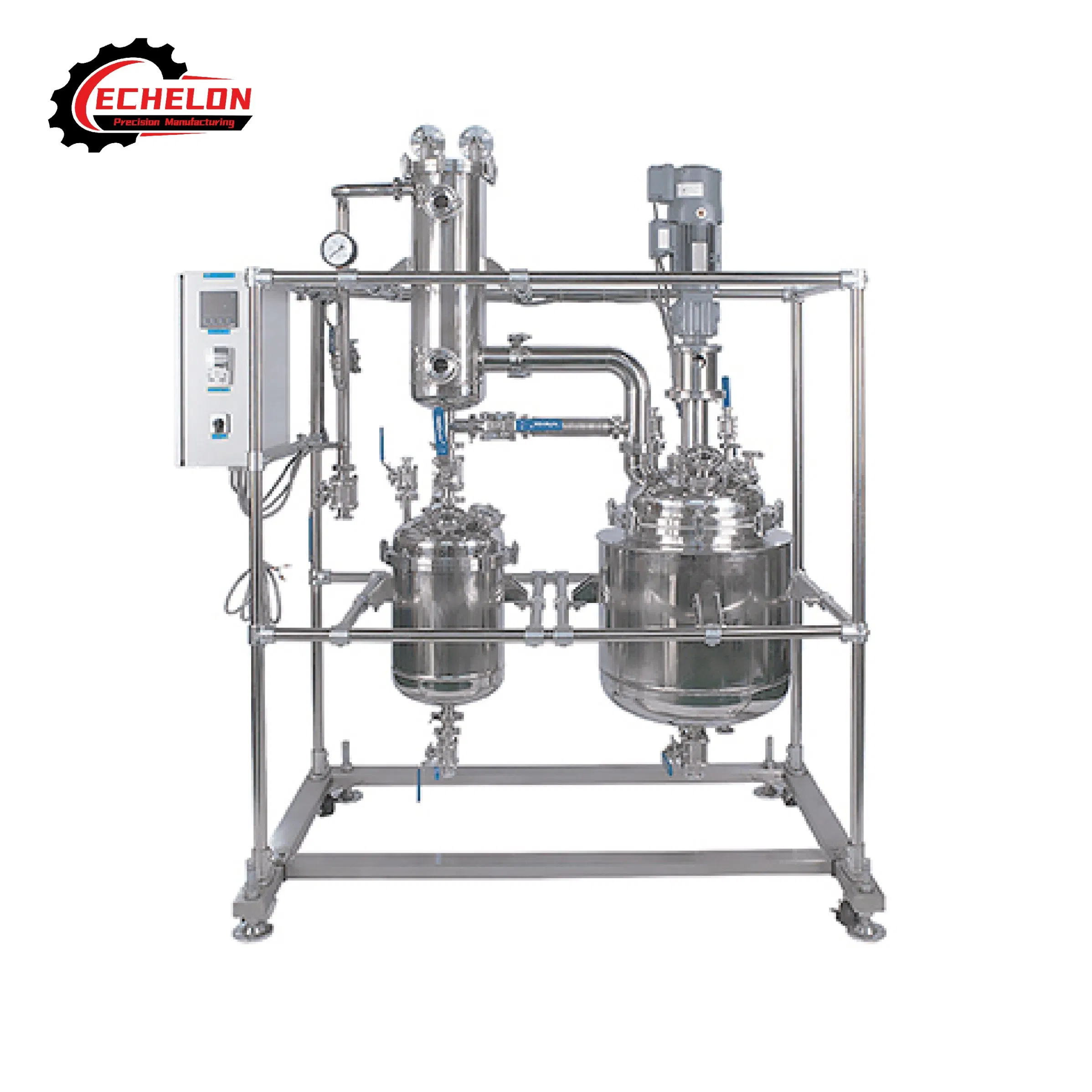
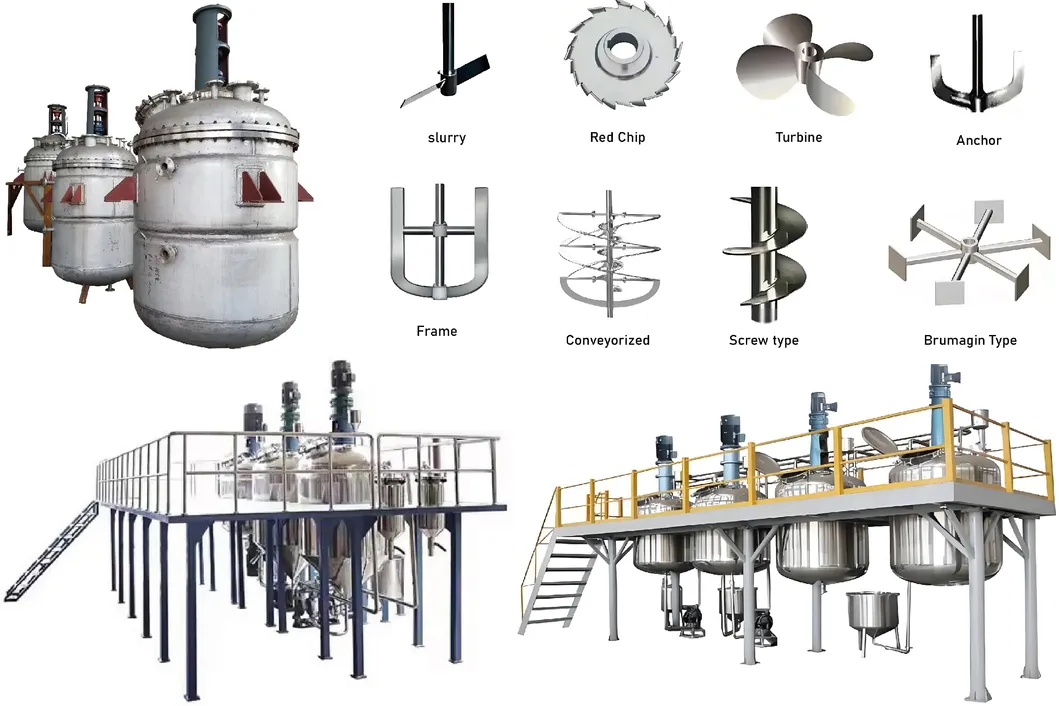
The reactor is a comprehensive reaction vessel designed based on specific reaction conditions. From feeding to discharging, pre-set steps are completed with high automation. Critical parameters such as temperature, pressure, and mechanical control (stirring, blasting) are strictly regulated. The structure comprises a kettle body, transmission device, stirring device, heating/cooling systems, and sealing mechanisms.
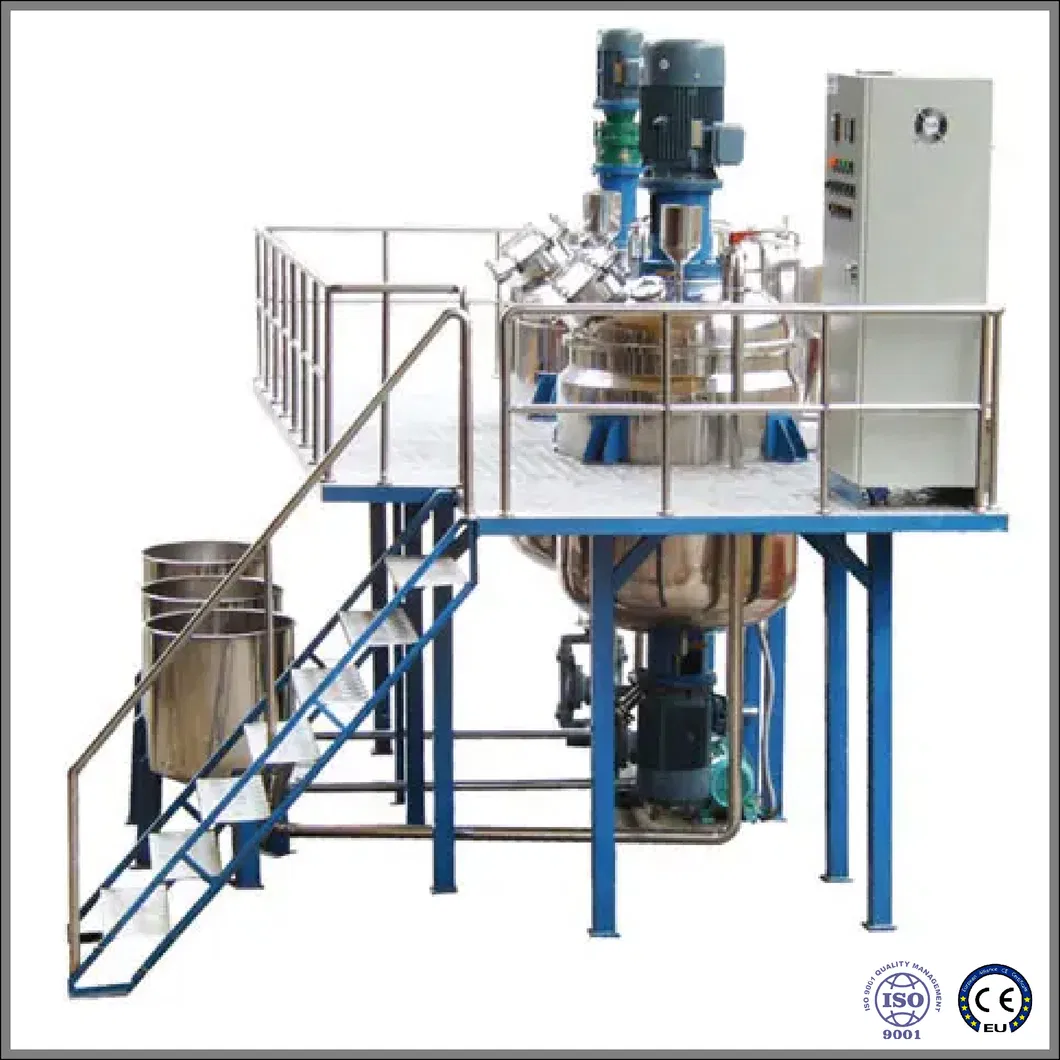
Reactors are constructed from carbon manganese steel, stainless steel (SUS304, SUS316L), zirconium, or nickel-based alloys. Agitators are available in anchor, frame, paddle, turbine, and scraper types. Heating methods include steam, electric, and heat transfer oil, catering to acid resistance, high temperature, and corrosion resistance requirements.
Heating/Cooling: Electric, hot water, heat transfer oil circulation, far infrared, external/internal coil, and jacket cooling.
Material Types: Carbon steel, Stainless steel, Glass-lined (enamel), Steel-lined PE/PTFE.
Application Range: Suitable for hydrolysis, neutralization, crystallization, distillation, evaporation, hydrogenation, and polymerization in petroleum, chemical, medicine, and scientific research industries.
| Nominal Vol (L) | Effective Vol (L) | Electric Power (KW) | Inner Pot (φmm) | Outer Pot (φmm) | Motor (KW) | Speed (n/min) |
|---|---|---|---|---|---|---|
| 50 | 62 | 3*2 | 400 | 600 | 1.5 | 60-80 |
| 100 | 130 | 6*2 | 500 | 700 | 1.5 | 60-80 |
| 200 | 247 | 6*2 | 600 | 800 | 2.2 | 60-80 |
| 500 | 589 | 9*3 | 900 | 1100 | 4 | 60-80 |
| 1000 | 1215 | 9*4 | 1200 | 1400 | 5.5 | 60-80 |
| 2000 | 2244 | 12*4 | 1300 | 1500 | 7.5 | 60-80 |
| 5000 | 5170 | 18*5 | 1800 | 2000 | 15 | 60-80 |