Primary Product Lineup Part 1
Aseptic processing constitutes a cornerstone of modern biotechnology, pharmaceutical manufacturing, and advanced food processing. Over the last decade, strict global standards have pushed downstream processing, sterile fill-finish operations, and bioprocess pathways to adapt. A notable milestone is the revision of the European Union Good Manufacturing Practice (EU GMP) Annex 1 guidelines. This update places unprecedented stress on Contamination Control Strategy (CCS), Pre-Use Post-Sterilization Integrity Testing (PUPSIT), and rigorous validation methodologies. Modern bioprocesses demand absolute barrier isolation and highly integral fluid paths to guarantee patient safety and batch reproducibility.
Globally, the industry is witnessing a significant paradigm shift from traditional, rigid stainless-steel facilities to flexible, single-use, and hybrid manufacturing sites. Single-use technology (SUT) reduces cleaning-in-place (CIP) and sterilization-in-place (SIP) validations, increases throughput, and limits environmental cross-contamination hazards. Central to this integration is the interface between mechanical sterile filtration systems (membranes, capsules, cartridges) and advanced barrier/containment systems like milling isolators, flexible glove bags, high-barrier co-extruded films, and high-purity medical tubing. China has evolved from a bulk material manufacturing region to a strategic high-technology supplier hub, providing vertically integrated aseptic components that meet global standards.
Designing a resilient aseptic processing system requires deep knowledge of material compatibility, microbial retention kinetics, and physical boundary integrity.
Optimal microfiltration filters utilize polyethersulfone (PES), polyvinylidene fluoride (PVDF), or polytetrafluoroethylene (PTFE) membranes. PES provides ultra-low protein binding and high flow rates for pharmaceutical liquids, while PTFE offers excellent chemical resistance for gas filtration and venting paths.
Systems must undergo rigorous validation in accordance with ASTM F838 standards using Brevundimonas diminuta as a challenge organism. Filter components are tested for extractables and leachables, chemical compatibility, and thermal stress resistance to endure autoclave or gamma irradiation cycles.
Complying with modern EU GMP requirements involves setting up Pre-Use Post-Sterilization Integrity Testing (PUPSIT). Testing incorporates non-destructive bubble point, diffusion flow, and water intrusion tests to detect structural failures before processing valuable APIs.
Integrating sterility containment systems across diverse sectors requires customized mechanical layouts and distinct operational workflows.
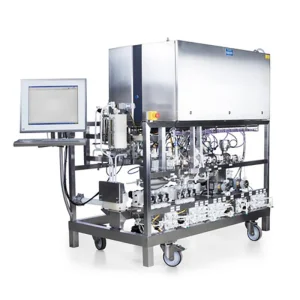
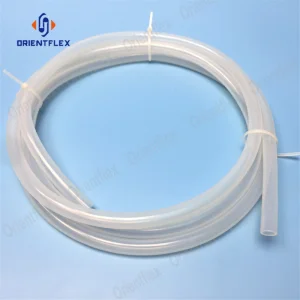
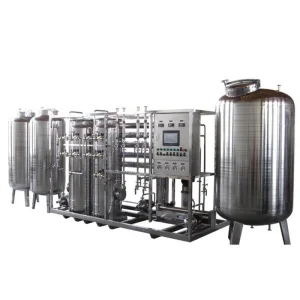
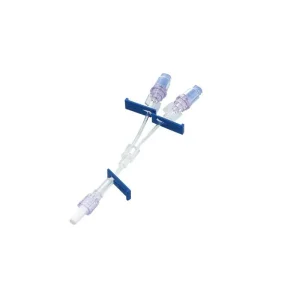
In modern biomanufacturing, transferring active pharmaceutical ingredients (APIs) and vaccines requires sterile pathways. Using high-purity medical-grade silicone tubing, sanitary SS316L diaphragm radial valves, and sterile single-use connectors creates a contamination-free pathway. Combining these parts with bioreactor storage and distribution systems prevents cross-contamination and simplifies product changeover processes.
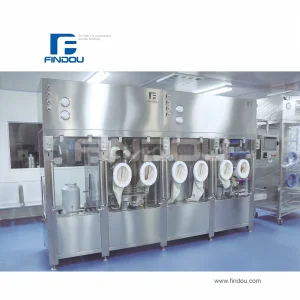
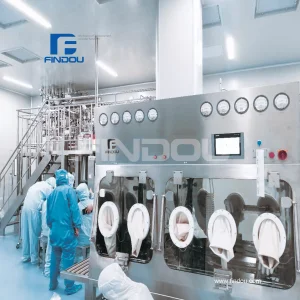
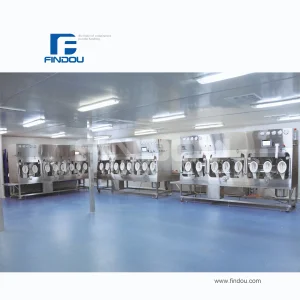
When handling hazardous or highly potent active pharmaceutical ingredients (HPAPIs), containment serves a dual purpose: protecting the environment from toxic materials and shielding the product from outside contaminants. Advanced customized milling isolator systems provide an ISO 5 micro-environment under negative pressure, permitting raw material loading, mechanical grinding, and packaging without endangering cleanroom operators.
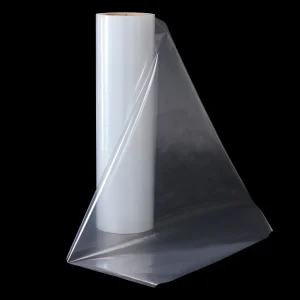
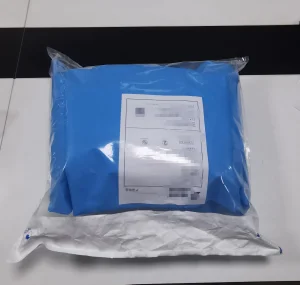
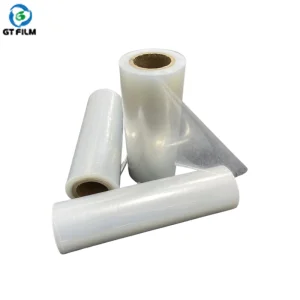
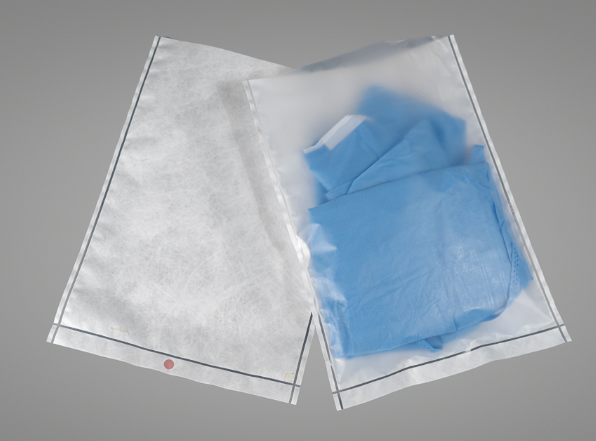
A sterile drug product or medical device requires reliable packaging to maintain its quality over time. Multi-layer co-extruded high-barrier films (such as PA/PE/EVOH/PP) protect vaccines and biological samples from gas migration, moisture, and mechanical damage. Tyvek pouch sterilization systems allow steam or gas sterilants to pass through during processing while acting as a reliable microbiological barrier during storage.
Established in 2014, Changzhou U-Care Medical Co., Ltd. is located in Changzhou, Jiangsu Province, within the core region of the Yangtze River Delta—one of China’s most dynamic and economically advanced areas. Benefiting from a strategic location and convenient transportation network, the company enjoys strong access to both domestic and international markets.
U-Care Medical has accumulated extensive experience in the manufacturing of medical and pharmaceutical packaging products. The company is dedicated to the research, development, and production of high-quality disposable medical and pharmaceutical packaging materials. With a focus on innovation and reliability, U-Care strives to provide safe, efficient, and customized solutions to meet the evolving needs of healthcare and pharmaceutical industries worldwide.
The company is equipped with modern production facilities and adheres strictly to industry standards and quality management systems. From raw material selection to final product delivery, every step is carefully controlled to ensure product consistency, safety, and compliance with international regulations.
We always place product quality at the highest priority. Customer satisfaction is the driving force behind our continuous improvement and development.
We are committed to building long-term partnerships with our clients by adhering to honest and transparent business practices, never compromising on ethics or authenticity.
Through continuous innovation and refinement, we strive to develop more practical, reliable, and high-performance packaging solutions that support the stable and safe use of our customers’ products.
To become a trusted global provider of medical and pharmaceutical packaging solutions by consistently delivering superior quality, innovation, and customer-focused services.
To support the healthcare industry with safe, reliable, and efficient packaging products, contributing to better protection and delivery of medical products worldwide.
Browse standard technical queries and engineering details for sterile filtration systems and pharmaceutical isolation components.
EVOH (Ethylene Vinyl Alcohol copolymer) acts as a high-barrier layer that limits oxygen transmission. It prevents oxidation of sensitive biological components, such as protein antigens and adjuvants, maintaining vaccine stability and prolonging shelf life compared to standard monolayer polyethylene films.
Flexible isolator systems use heavy-duty polymers to maintain a secure physical boundary. They offer comparable particle containment levels (down to nanogram levels per cubic meter, OEB 5) and reduce capital investment, installation time, and verification costs. The single-use film assembly eliminates validation needs for clean-in-place (CIP) steps.
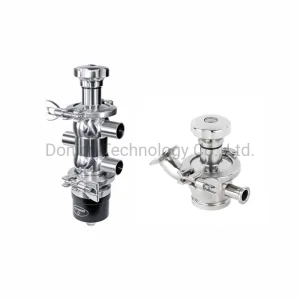
Sanitary SS316L diaphragm radial valves are designed to minimize dead space where particulate matter or bacteria could accumulate. Their smooth internal surfaces are ideal for cleaning-in-place (CIP) and sterilization-in-place (SIP), ensuring sterile flow control in critical bioprocess paths.
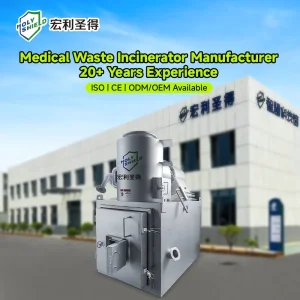
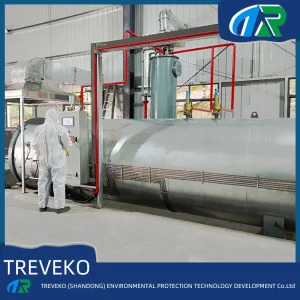
Medical waste that contains pathogens is processed using high-temperature thermal inactivation methods, such as integrated autoclave shredders and specialized combustion incinerators. These systems disrupt microbial cell structures, achieving complete bioburden control prior to disposal.
Primary Product Lineup Part 2
 U-Care Medical