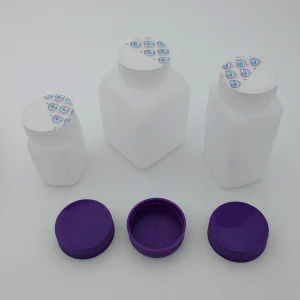
Explore our top-tier catalog of containment isolators, medical-grade tubes, and high-barrier sterile process systems engineered for reliable global biopharma operations.
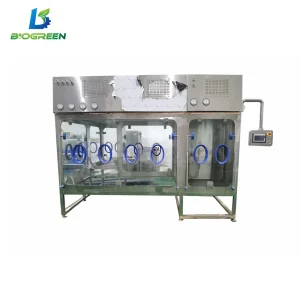
In the modern biopharmaceutical sector, logistics and sterile supply chains represent critical bottlenecks. The distribution of temperature-sensitive biologics, active pharmaceutical ingredients (APIs), vaccines, and gene therapies requires strict containment systems and high-purity fluid transfer interfaces. Procurement managers face continuous pressure to balance strict regulatory requirements with cost efficiencies.
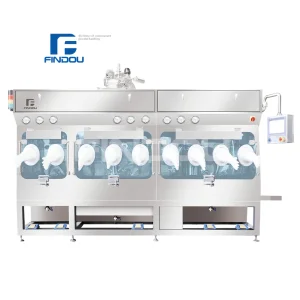
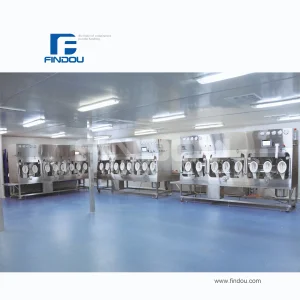
Global procurement teams prioritize three primary elements during their factory assessments: Sterility Assurance Levels (SAL), Material Extractables & Leachables (E&L) compliance, and Thermal Management Resilience. Utilizing systems such as Aseptic Filling Isolation Systems and VHP (Vaporized Hydrogen Peroxide) Pass Boxes ensures that high-containment environments remain uncompromised during material transfer, protecting both operators and delicate biological formulations.
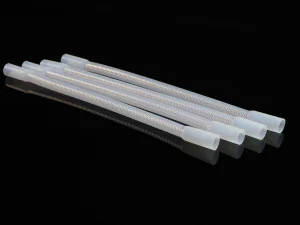
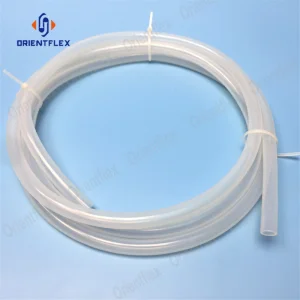
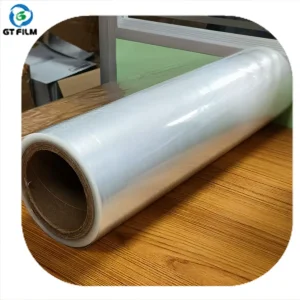
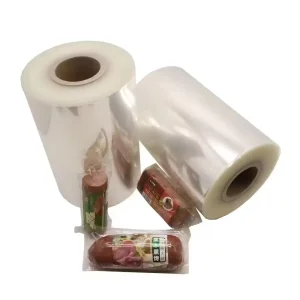
To reduce cross-contamination risk, factories are transitioning from traditional stainless steel piping to high-performance single-use assemblies. For example, Medical Grade Silicone Tubing and PTFE Tubing are widely specified for their chemical inertness and temperature resistance. Similarly, advanced packaging applications demand high-barrier co-extruded films to safeguard sensitive biological substances from moisture, oxygen, and light degradation during intercontinental transport.
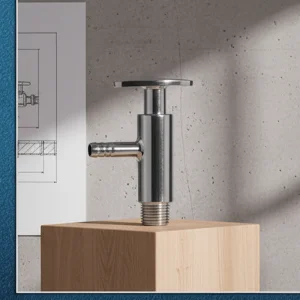
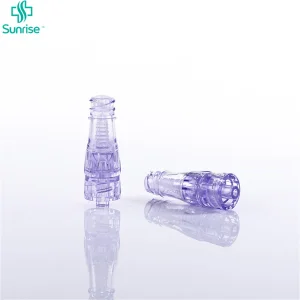
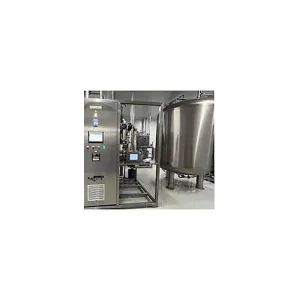
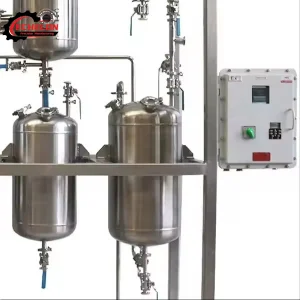
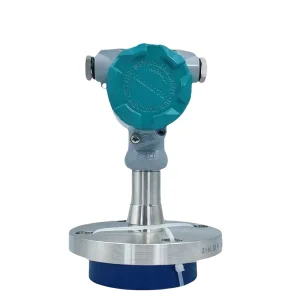
Biopharmaceutics requires integrated solutions that address both chemical processing and temperature-controlled logistics. The integration of Bioreactor Storage and Distribution Systems with sterile fluid paths demonstrates this comprehensive approach. These systems use sanitary sampling valves, aseptic connectors, and diaphragm pressure transmitters to ensure safe fluid handling, preventing contamination from bioreactor cultivation to final syringe filling.
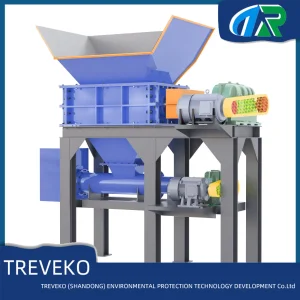
Furthermore, waste treatment systems like Pathogen Inactivation Equipment play an essential role in biosafety. Implementing thermal or chemical inactivation directly at the source helps prevent hazardous biological materials from entering the environment, ensuring compliance with strict global environmental regulations.
How global innovators are integrating smart tracking, automated decontamination, and high-barrier materials to secure next-generation biopharma networks.
Next-generation isolators feature smart sensors that automatically adjust pressure and manage VHP cycles. This ensures rapid biodecontamination while reducing processing cycle times.
Using aseptic diaphragm pressure transmitters enables precise, real-time monitoring of pressure in sterile lines. This allows operators to detect filter blockages and pipe stress early in the process.
Innovations in multi-layer co-extrusion films provide superior protection against oxygen and moisture. These materials help preserve volatile APIs and delicate chemical compounds over long storage periods.
A trusted manufacturer of medical and pharmaceutical packaging materials, delivering innovative solutions globally.
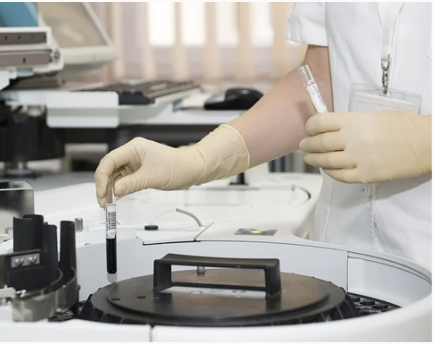
Established in 2014, Changzhou U-Care Medical Co., Ltd. is located in Changzhou, Jiangsu Province, within the Yangtze River Delta—one of China’s most dynamic economic zones. Benefiting from a strategic location and convenient transportation network, the company enjoys strong access to both domestic and international markets.
U-Care Medical has accumulated extensive experience in the manufacturing of medical and pharmaceutical packaging products. The company is dedicated to the research, development, and production of high-quality disposable medical and pharmaceutical packaging materials. With a focus on innovation and reliability, U-Care strives to provide safe, efficient, and customized solutions to meet the evolving needs of healthcare and pharmaceutical industries worldwide.
The company is equipped with modern production facilities and adheres strictly to industry standards and quality management systems. From raw material selection to final product delivery, every step is carefully controlled to ensure product consistency, safety, and compliance with international regulations.
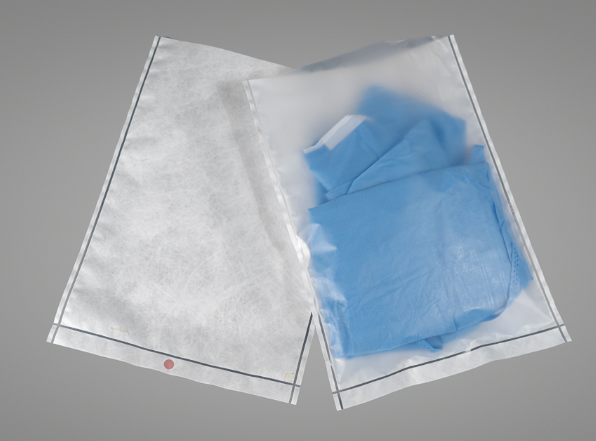
U-Care Medical is committed to delivering quality products that align with GMP and regulatory standards. Our core values guide our operations:
Our Vision: To become a trusted global provider of medical and pharmaceutical packaging solutions by consistently delivering superior quality, innovation, and customer-focused services.
Our Mission: To support the healthcare industry with safe, reliable, and efficient packaging products, contributing to better protection and delivery of medical products worldwide.
Navigating global regulatory landscapes requires more than just high-quality products. It demands strict alignment with national and regional health agencies, including the FDA, EMA, NMPA, and compliance with ISO 15378 (primary packaging materials for medicinal products) and ISO 13485 standards.
A reputable biopharma packaging and logistics provider must supply comprehensive validation documentation. This includes FDA Master Files (DMF), biocompatibility dossiers (USP Class VI testing), chemical characterization reports, and particulate cleanliness certifications. These documents facilitate smooth qualification processes for pharmaceutical companies and help prevent regulatory delays during product audits.
Additionally, reliable global exporters offer localized technical support. This includes technical assistance with on-site installations of modular sterile isolation systems, local cleanroom integration testing, and localized customer service teams to handle time-sensitive shipping documentation and customs clearance. This end-to-end support ensures that operations remain uninterrupted across all regions.
Expert answers to common questions about sterile isolators, material compliance, and biopharma packaging logistics.
Vaporized Hydrogen Peroxide (VHP) pass boxes provide automated surface sterilization for incoming equipment or packaging, achieving a 6-log bio-reduction. This process maintains the cleanroom's pressure barrier while preventing environmental contaminants from bypassing the transfer chamber.
PTFE offers excellent chemical compatibility and resistance to strong acids, bases, and organic solvents. It also features low gas permeability and high thermal stability, making it suitable for aggressive active pharmaceutical ingredient (API) transfers where silicone may swell or degrade.
Multi-layer co-extrusion films combine multiple polymer resins (such as EVOH, PA, and PE) to block gas, moisture, and light. This protection helps preserve chemical stability and extends the shelf life of biological substances, especially under freezing or dry-ice conditions during long-distance transport.
Yes, our medical and packaging products—including silicone tubes and barrier films—are manufactured in certified facilities using food and medical-grade polymers. These materials comply with FDA 21 CFR regulations and biocompatibility standards, and we provide validation documentation upon request.
Further exploration of high-barrier films, pressure sensors, and cleanroom hardware designed to maintain sterile processes across pharmaceutical supply chains.
 U-Care Medical