Engineered to ensure zero contamination across bioprocess manufacturing, high-barrier packing, and liquid transfer networks.
Navigating the complex regulatory changes and technological leaps driving modern bioprocessing facility architectures.
The global pharmaceutical manufacturing space is currently undergoing a massive structural shift. The push toward biological drugs, personalized medicine, gene therapies, and rapid vaccine deployment has forced cleanroom facilities to evolve from static, stainless-steel heavy environments to highly agile, modular, and single-use operational ecosystems. According to revised European Union GMP Annex 1 guidelines, sterility assurance must be designed into facilities from the ground up, moving away from relying solely on end-product testing. Cleanroom engineering now calls for continuous environmental monitoring, advanced isolator systems, Restricted Access Barrier Systems (RABS), and single-use fluid pathways to mitigate human intervention—the primary source of cleanroom contamination.
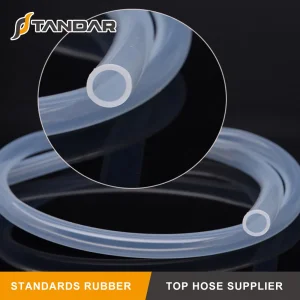
Crucially, cleanroom validation methodologies are changing. Facilities must verify operational standards across all operational states—static, dynamic, and transitional. This has driven cleanroom equipment manufacturers to integrate IoT sensors, smart pressure monitoring devices, and advanced aseptic connectors. Materials science is also progressing. From platinum-cured reinforced silicone tubing that handles high pressures during peristaltic pumping, to Tyvek sterile packaging that offers excellent microbial barrier performance while allowing gas sterilization, each component must pass thorough verification protocols to prevent contamination or batch failures.
Focus on active contamination control strategies (CCS), ensuring all transfer connections and barriers prevent any micro-particulate contamination.
Transition from rigid stainless-steel setups to disposable 3D bioreactor bags and sterile manifolds to eliminate clean-in-place (CIP) and steam-in-place (SIP) validations.
Strict focus on validation protocols, extractables and leachables (E&L) studies, and physical containment testing for cleanroom materials.
De-risking the pharmaceutical supply chain by emphasizing materials science validation and regulatory compliance.
Procuring equipment for pharmaceutical cleanrooms and aseptic processing lines requires strict attention to compliance. Unlike standard industrial procurement, pharmaceutical buyers operate under high regulatory oversight from bodies like the US Food and Drug Administration (FDA), European Medicines Agency (EMA), and National Medical Products Administration (NMPA). A single failure in component integrity can lead to cross-contamination, multi-million dollar batch recalls, and regulatory warning letters.
Because of this, global procurement directors look closely at structural compliance details, including:
Leveraging high-tech industrial clusters and advanced automation to deliver validated aseptic cleanroom equipment globally.
China's industrial development has evolved from basic manufacturing to advanced automation. This shift is particularly evident in the high-precision pharmaceutical equipment sector. China’s Industry 4.0 model combines advanced industrial clusters, automated cleanroom operations, and integrated global logistics networks. Manufacturers in regional hubs, like the Yangtze River Delta, leverage strong supply chains that support fast component sourcing, precise engineering, and cost-effective scaling.
By using automated extrusion systems, precise mechanical assembly, and real-time vision inspection systems, Chinese manufacturers minimize human contact with materials. This drastically reduces particulate contamination risk during production. This automated process control is paired with cost efficiencies that allow manufacturers to reinvest heavily in quality management systems. As a result, global pharmaceutical buyers can secure highly competitive pricing without compromising on strict validation and regulatory requirements.
Established in 2014, Changzhou U-Care Medical Co., Ltd. is located in Changzhou, Jiangsu Province, within the dynamic Yangtze River Delta. This strategic location provides access to high-tech industrial clusters and a robust transportation network, ensuring efficient logistics and product delivery to both domestic and international markets.
U-Care Medical is highly experienced in the manufacturing of medical and pharmaceutical packaging and cleanroom components. The company focuses on the research, development, and production of high-quality disposable medical packaging materials, single-use bioprocessing components, and sterile barrier packaging. Dedicated to continuous innovation and product reliability, U-Care provides safe, verified, and customized solutions to meet the demanding requirements of the global healthcare and pharmaceutical industries.
Guided by strict quality standards, integrity in operations, and a commitment to global healthcare protection.
We always place product quality at the highest priority. Customer satisfaction is the driving force behind our continuous improvement, manufacturing validation, and technological development.
We build long-term partnerships with our clients by adhering to honest and transparent business practices, never compromising on ethics, material purity, or product traceability.
Through continuous innovation, cleanroom environmental upgrades, and materials refinement, we develop practical, reliable, and high-performance packaging solutions to ensure product stability.
Our Vision: To become a trusted global provider of medical and pharmaceutical packaging and cleanroom fluid-transfer solutions by consistently delivering superior quality, technical innovation, and customer-focused services.
Our Mission: To support the global healthcare industry with safe, reliable, and highly efficient cleanroom products and protective packaging, contributing to safer drug delivery and medical treatment protection worldwide.
Deploying U-Care Medical technology across critical nodes of industrial bioprocessing and sterile clinical supply chains.
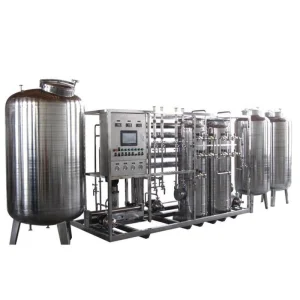
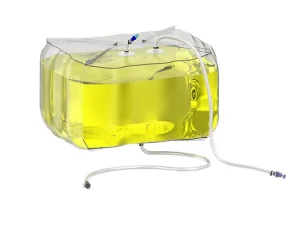
In modern biopharmaceutical manufacturing, setting up cell culture and fermentation processes requires highly secure liquid transfer networks. Using single-use 3D bioreactor and mixer bags combined with platinum-cured silicone tubing assemblies reduces cross-contamination risks. This layout bypasses the need for validation of clean-in-place (CIP) operations, allowing biopharmaceutical manufacturers to pivot quickly between different batch campaigns.
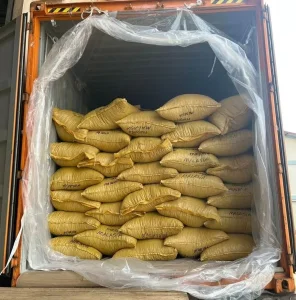
Handling active pharmaceutical ingredients (APIs) and sterile powders requires reliable barrier systems. Heavy-duty dry bulk bags, PE jumbo liners, and Tyvek header sterilization bags provide reliable barrier properties. These materials protect APIs from moisture, gas, and particulate contamination during high-volume transcontinental shipping, maintaining chemical purity from the factory floor to the final packaging line.
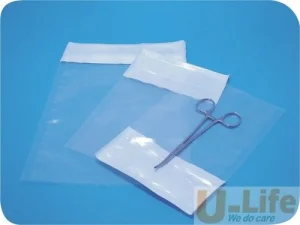
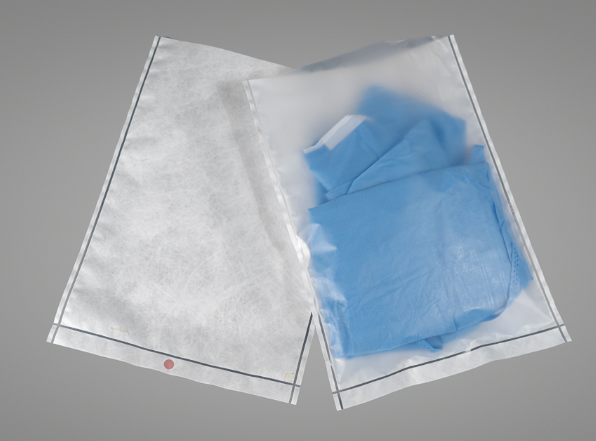
For surgical implants, specialized catheters, and drug delivery systems, maintaining terminal sterility is critical. Tyvek coated header pouches are engineered to withstand autoclave and ethylene oxide (EtO) sterilization processes. The gas transmission properties of Tyvek allow sterilizing agents to enter and exit the packaging efficiently while maintaining an absolute barrier against bacteria and dust during storage.
Answers to technical questions regarding validation, cleanroom classification, and material certifications.
Complete your facility upgrade with validated containment, transfer, and bioreactor integration components.
 U-Care Medical