U-Care Medical
1. The Physics and Mechanics of Sterile Fluid Transfer Interfaces
In modern biopharmaceutical manufacturing and clinical infusion operations, the integrity of fluid pathways represents the boundary between clinical safety and catastrophic bioburden exposure. A sterile interface solution acts as a critical pathway control mechanism, ensuring that liquid transfer between disconnected assemblies occurs without contamination, bypass, or environmental leakage. These components must withstand not only internal hydraulic pressures but also extreme dynamic forces exerted during autoclave sterilization, gamma radiation, ethylene oxide (EtO) treatments, and chemically aggressive clean-in-place (CIP) formulations.
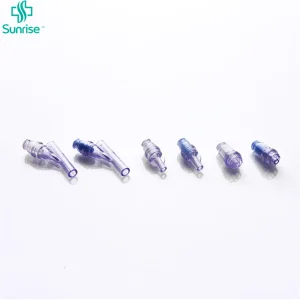
CE Certified Sterile Interface Solutions guarantee conformity to high safety metrics through mechanical structural design. Utilizing biocompatible elastomers, specialty fluoropolymers, and medical-grade silicones, these interfaces provide elastomeric resilience under cyclic compression. The sealing surfaces are micro-engineered to avoid microscopic dead zones where bacterial colonies or pyrogens could proliferate, ensuring complete flushing cleanability and validation safety.
2. Localized Critical Application Scenarios
Standardizing a single interface technology across diverse environments is technically unviable. Different operations impose unique operational parameters and compliance requirements:
Biopharmaceutical Manufacturing
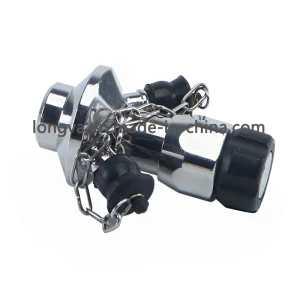
Single-use bioprocessing systems (SUS) rely on genderless aseptic connectors and manifold assemblies to secure sterile fluid paths during bulk drug substance filtration, sterile filling, and cell culture cultivation. Eliminating cross-contamination between batches is vital for high-yield therapeutic proteins.
Cell and Gene Therapy (CGT)
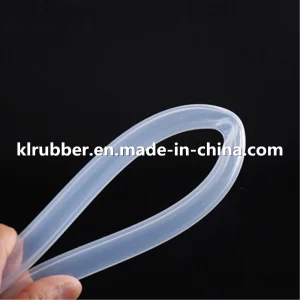
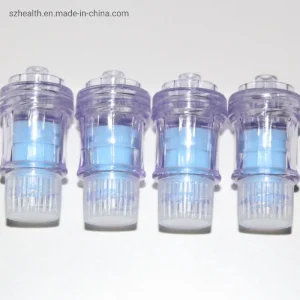
Due to the extremely low volume and high value of autologous cellular therapeutics, every microliter must remain hermetically sealed. Integrated sterile tubing, needle-free infusion connectors, and medical adapters prevent ambient pathogens from entering active culture lines during precision harvesting.
High-Purity Chemical & Semiconductor Containment
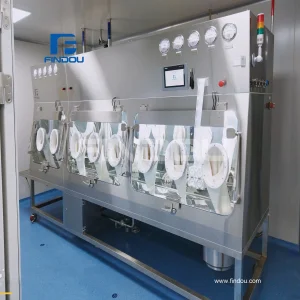
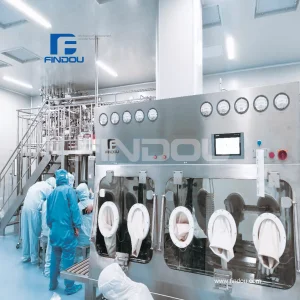
Conductive silicone tubing and specialized isolator systems prevent electrostatic discharge and dangerous chemical leaks. Sterile components serve as a physical barrier in chemical synthesis, preserving ultra-pure chemical lines from atmospheric dust or micro-organisms.
3. Technical Roadmap & Future Architectural Outlook
The transition toward fully automated, closed-loop sterile environments is accelerating. The next decade of sterile interface designs centers on three key fields:
- Smart Interface Integration (IoT & RFIDs): The incorporation of passive RFID tags within sterile connectors and assemblies enables real-time tracking of sterilization history, exposure limits, serial verification, and fluid-path alignment confirmation, preventing mechanical cross-connection errors.
- Advanced Non-Leachable Elastomers: Developing fluoropolymers with lower extractable and leachable profiles (E&L) to preserve delicate protein formulations from interaction with chemical elements in the fluid pathway.
- Hybrid Co-extrusion Formulations: Multi-layer structures, such as EVOH high-barrier co-extruded films, integrated directly into tubing interfaces to restrict gas permeability (such as oxygen and carbon dioxide) during cell culture cryopreservation and low-temperature shipping.