U-Care Medical
Engineered to comply with stringent FDA, GMP, and USP Class VI validation requirements for cleanroom manufacturing.
Modern pharmaceutical, bioprocessing, and clinical manufacturing pipelines operate under extreme safety thresholds. The transfer of hazardous compounds, sterile active pharmaceutical ingredients (APIs), and sensitive fluids demands technology that eliminates ambient interaction. As international bodies like the FDA, EMA, and WHO tighten regulations around batch integrity and cross-contamination, the necessity for robust, certifiable hygienic transfer processes has risen exponentially.
Global demand is increasingly shifting from traditional, open-system processing toward closed-system processing. Closed systems rely heavily on precision-molded polymers (such as PTFE and high-temperature silicone), high-barrier co-extruded films, and mechanical isolation chambers. These components work in unison to form a continuous aseptic barrier, ensuring sterile conditions are maintained during mass transport, multi-component dosing, and micro-volume injection.
Furthermore, in the context of personalized medicine, cell therapies, and hazardous chemical syntheses, hygienic transfer solutions act as the primary defense line. They protect both the integrity of the target compound and the physical health of the operating personnel from airborne particles, volatile vapors, and microbiological contamination.
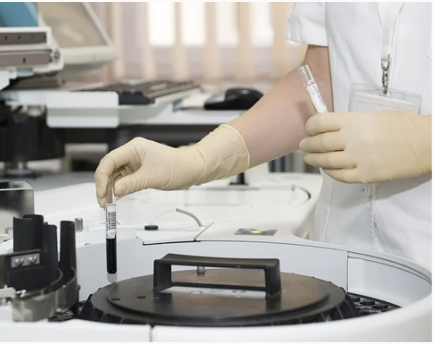
Achieving systemic safety requires specialized material properties and mechanical containment.
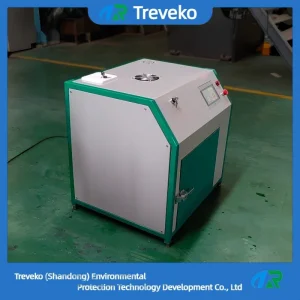
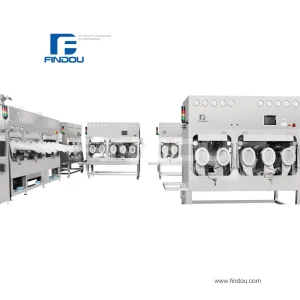
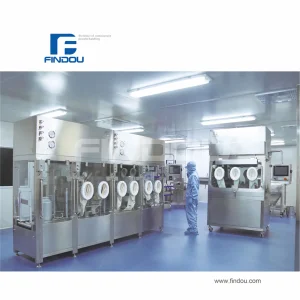
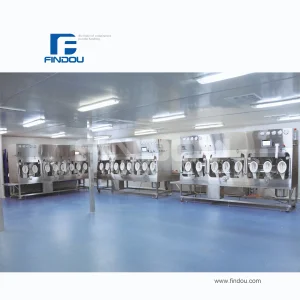
Modern isolation utilizes sterile chambers operating under negative pressure differential regimes. These systems feature physical barrier isolators, integrated gloves, and high-efficiency particulate air (HEPA H14) filtration. By ensuring that internal air currents cannot escape outward, these chambers safeguard operators during toxic powder handling and hazardous drug synthesis, while maintaining class-A sterile conditions internally.
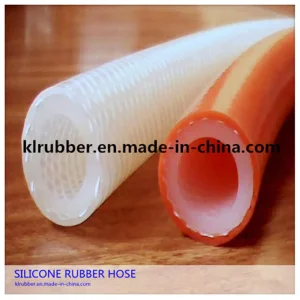
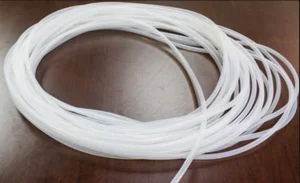
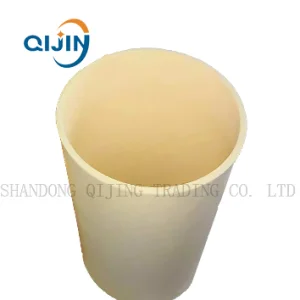
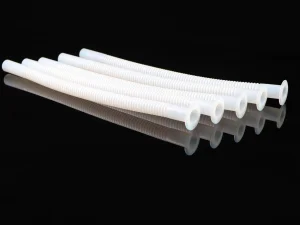
Materials such as Virgin PTFE (Polytetrafluoroethylene) and Platinum-Cured Silicone are essential. They offer extreme chemical inertness, high temperature stability, and ultra-smooth inner walls (low Ra roughness). This minimizes mechanical shear on biomolecules, prevents product adhesion, and eliminates the risk of extractables and leachables altering the process fluid's chemistry.
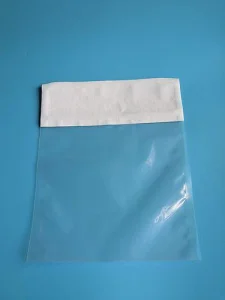
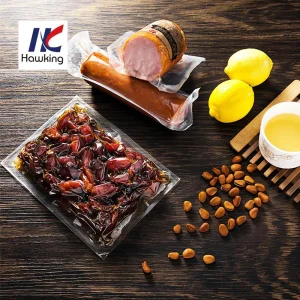
For packaging and temporary holding, single-layer films are insufficient. Multi-layer co-extruded structures incorporating EVOH (Ethylene Vinyl Alcohol) and polyamide (Nylon) provide an exceptional gas barrier. They block oxygen, water vapor, and external contaminants, thereby preserving the shelf life and purity of parenteral drugs, diagnostic reagents, and food ingredients.
Integrating regional logistics, medical device design expertise, and strict quality control.
Changzhou U-Care Medical Co., Ltd. was established in 2014 and is located in Changzhou, Jiangsu Province, within the core region of the Yangtze River Delta—one of China’s most dynamic and economically advanced areas. Benefiting from a strategic location and convenient transportation network, the company enjoys strong access to both domestic and international markets.
U-Care Medical has accumulated extensive experience in the manufacturing of medical and pharmaceutical packaging products. The company is dedicated to the research, development, and production of high-quality disposable medical and pharmaceutical packaging materials. With a focus on innovation and reliability, U-Care strives to provide safe, efficient, and customized solutions to meet the evolving needs of healthcare and pharmaceutical industries worldwide.
The company is equipped with modern production facilities and adheres strictly to industry standards and quality management systems. From raw material selection to final product delivery, every step is carefully controlled to ensure product consistency, safety, and compliance with international regulations.
To become a trusted global provider of medical and pharmaceutical packaging solutions by consistently delivering superior quality, innovation, and customer-focused services.
To support the healthcare industry with safe, reliable, and efficient packaging products, contributing to better protection and delivery of medical products worldwide.
Purchasing directors from multinational corporations look for three core factors: regulatory alignment, rapid scalability, and cost efficiency. Chinese manufacturers, particularly those in medical zones like Changzhou, offer several distinct advantages:
Hygienic transfer components are utilized across a wide range of specialized industries.
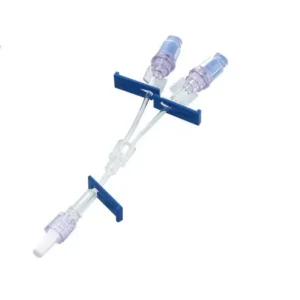
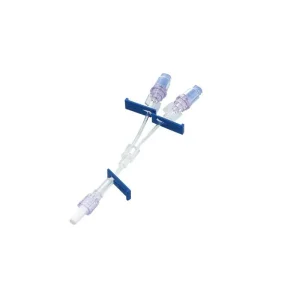
Integrating flexible silicone and PTFE tubing systems with needle-free aseptic connectors allows for safe fluid routing in bioreactors, chromatography units, and filling lines. This eliminates fluid loss and avoids ambient air contamination during sampling.
Utilizing negative pressure sterile chambers and automated multi-component dosing systems allows for the precise measurement of highly potent active ingredients. This protects operators from inhaling fine dust while preventing cross-contamination between product batches.
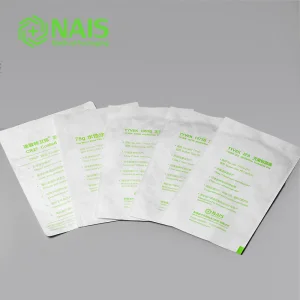
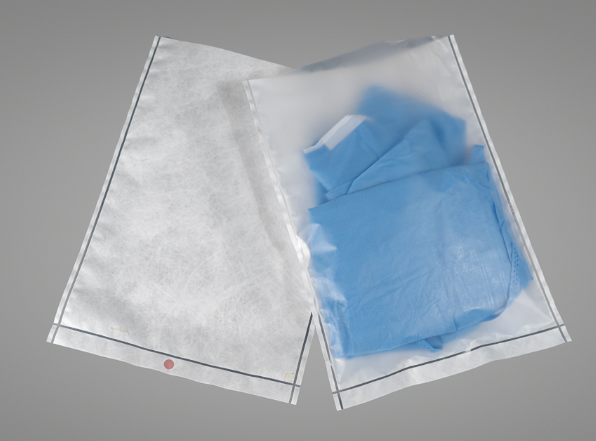
Medical devices, implants, and surgical kits are packaged inside high-breathability Tyvek® sterilization pouches. These pouches permit gas sterilants like ethylene oxide (EO) to enter during sterilization cycles while acting as a reliable microbial barrier until point-of-use in the operating room.
Projected development trends for aseptic and sanitary processing technologies.
Historically, multi-use stainless steel assemblies dominated pharmaceutical fluid lines. However, modern facilities are increasingly adopting single-use disposable transfer lines, bags, and connectors. Single-use technologies eliminate the water and energy costs associated with Clean-in-Place (CIP) and Steam-in-Place (SIP) validation cycles. By incorporating medical disposable needle-free injection ports, high-barrier EVOH films, and sterilized silicone tubing, facilities can reduce batch changeover times from days to hours, mitigating contamination risks.
Answers to technical and regulatory sourcing questions for process engineers and purchasing managers.
Heavy-duty industrial conduits, medical-grade pouches, and specialized replacement components.