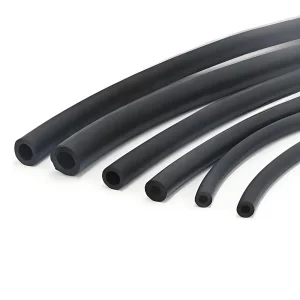
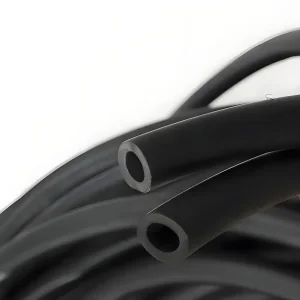
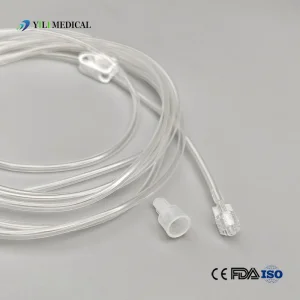
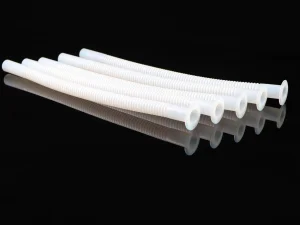
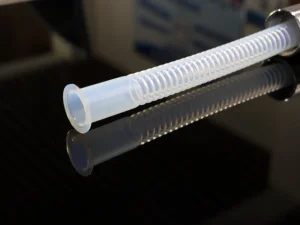
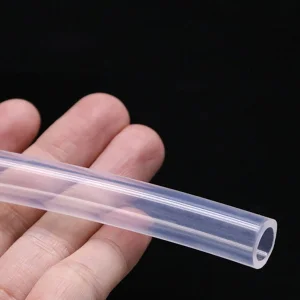
In the high-stakes world of bioprocessing, Tangential Flow Filtration (TFF) has emerged as the gold standard for separation and purification. Unlike traditional Dead-End filtration, TFF ensures that the fluid flows parallel to the filter membrane, significantly reducing "clogging" or cake formation. At the heart of this system lie the TFF Tubing Kits.
As the pharmaceutical industry pivots towards personalized medicine and complex biologics, the demand for precision-engineered tubing kits has skyrocketed. These kits are no longer just "pipes"; they are integrated fluid management systems that must withstand high pressures, maintain sterility, and resist chemical degradation. Whether it is for concentration, diafiltration, or cell harvesting, the integrity of your TFF tubing determines the safety and yield of your final product.
The global TFF market is projected to reach $2.5 billion by 2028, driven by the surge in vaccine production and monoclonal antibody (mAb) therapies. North America and Europe remain dominant, but the Asia-Pacific region is the fastest-growing hub.
There is a massive shift from reusable stainless steel systems to Single-Use Technology (SUT). TFF Tubing Kits are now predominantly disposable to eliminate cross-contamination and reduce cleaning validation costs.
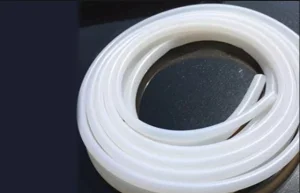
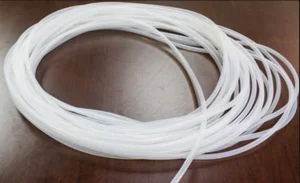
From platinum-cured silicone to high-performance PTFE and medical-grade titanium, the focus is on low extractables and leachables (E&L) to ensure patient safety.
1. Integration of Smart Sensors: Future TFF kits are being designed with integrated RFID or pressure sensors to provide real-time data to the control system, enhancing the "Industry 4.0" readiness of biopharma plants.
2. Regulatory Stringency: Manufacturers are now required to provide comprehensive documentation, including USP Class VI, ISO 10993, and animal-derived component-free (ADCF) certifications to meet global FDA and EMA standards.
3. Modular Customization: Procurement teams are moving away from "off-the-shelf" solutions. Instead, they require bespoke tubing manifolds that fit specific pump heads and membrane holders perfectly.
4. Sustainability: While single-use is booming, there is a parallel trend in developing recyclable or biodegradable polymer alternatives for non-critical tubing components.
Strategic Advantages of Changzhou U-Care Medical Co., Ltd.
Located in the Yangtze River Delta, Changzhou U-Care Medical Co., Ltd. represents the pinnacle of Chinese medical manufacturing. Choosing a Chinese partner for your TFF Tubing Kits offers several unique advantages:
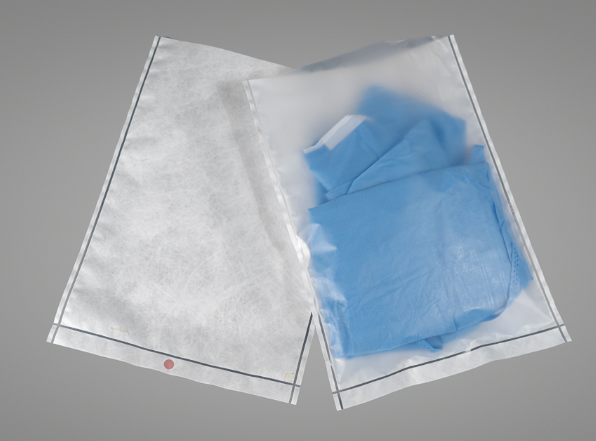
Dedicated to High-Quality Disposable Medical Packaging and Tubing Solutions
Established in 2014, Changzhou U-Care Medical Co., Ltd. is a specialized manufacturer dedicated to the research, development, and production of high-quality disposable medical and pharmaceutical packaging materials. Benefiting from a strategic location and convenient transportation network, the company enjoys strong access to both domestic and international markets.
We always place product quality at the highest priority. Customer satisfaction is the driving force behind our continuous improvement and development. Our modern facilities adhere strictly to ISO and global industry standards.
We are committed to building long-term partnerships with our clients by adhering to honest and transparent business practices, never compromising on ethics or authenticity.
Through continuous innovation and refinement, we strive to develop more practical, reliable, and high-performance packaging solutions that support the stable and safe use of our customers’ products.
To become a trusted global provider of medical and pharmaceutical packaging solutions by consistently delivering superior quality, innovation, and customer-focused services.
To support the healthcare industry with safe, reliable, and efficient packaging products, contributing to better protection and delivery of medical products worldwide.
Understanding the local application of TFF Tubing Kits is vital for effective procurement. Different industries have varying requirements:
Global procurement teams now look for integrated kit solutions rather than individual components to reduce assembly time and simplify documentation (COA/COC) management.
 U-Care Medical