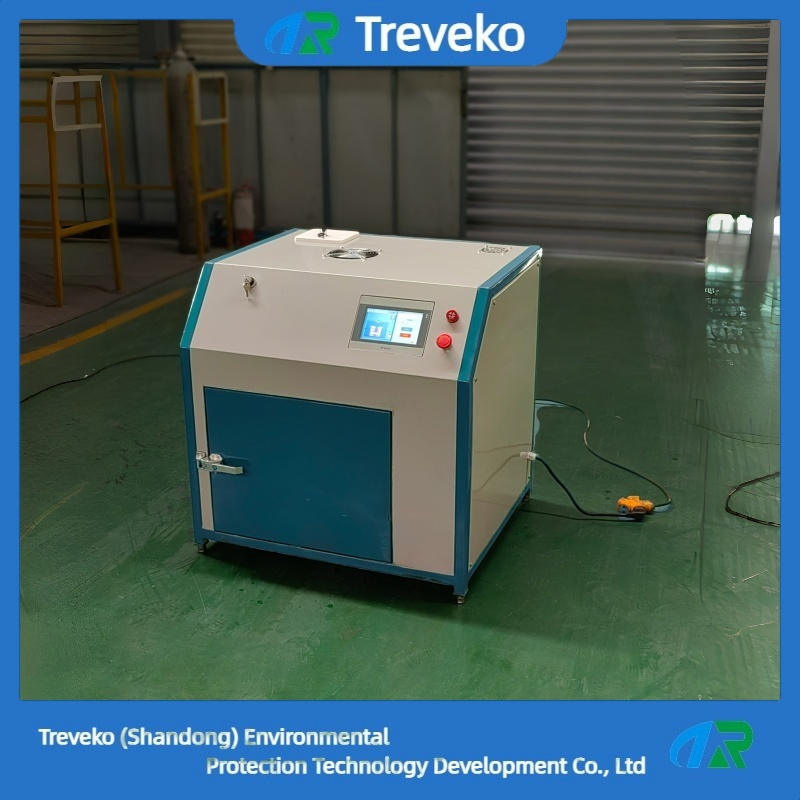
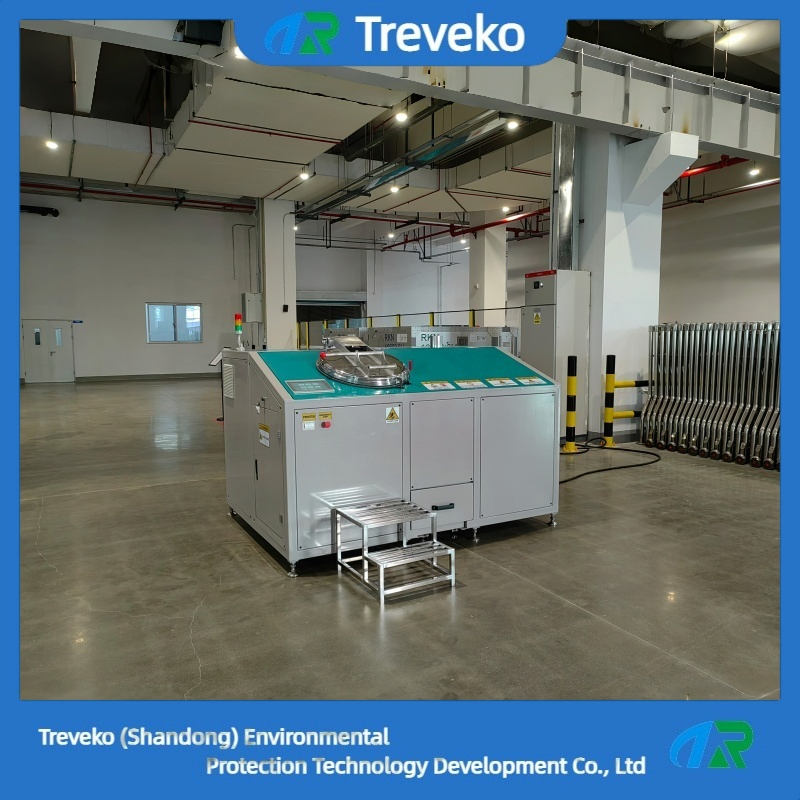
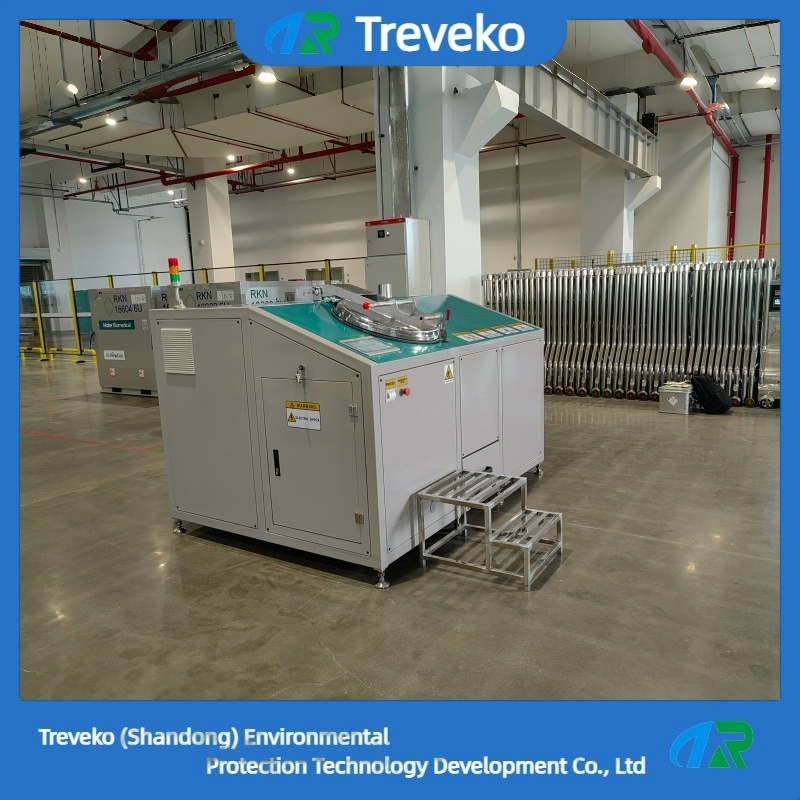
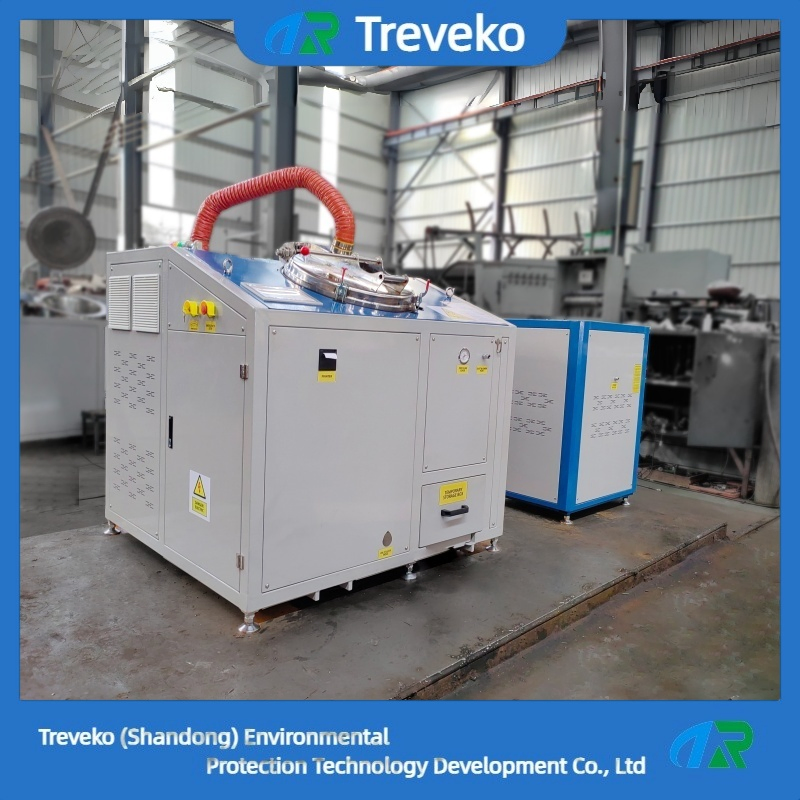
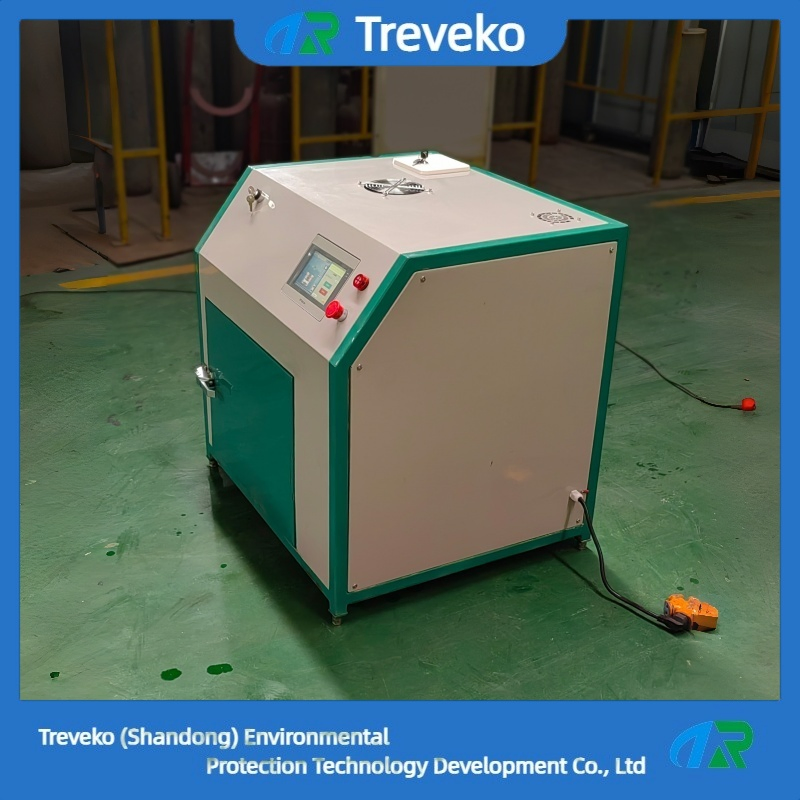
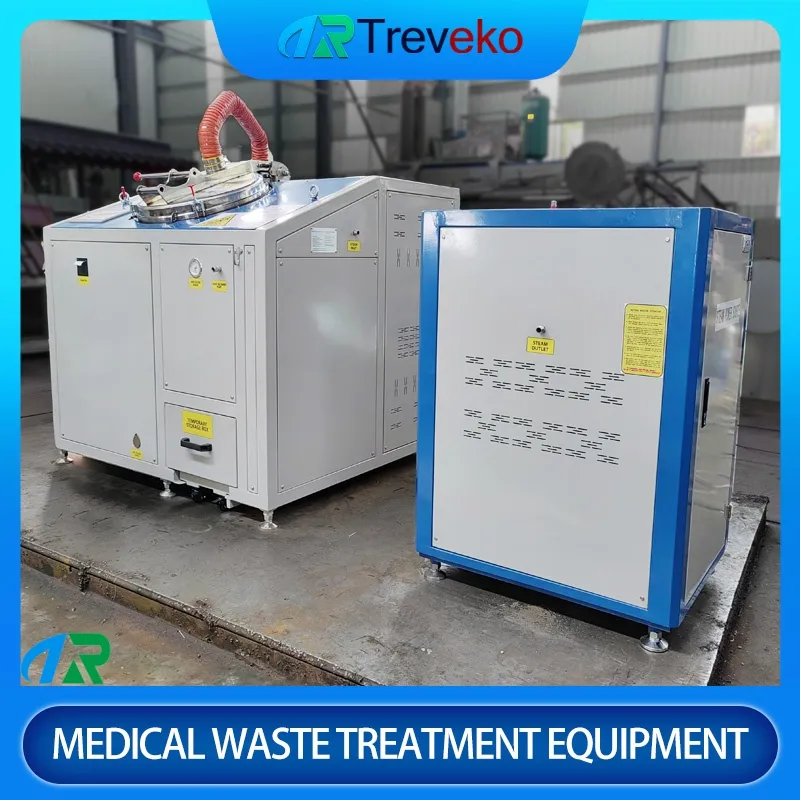
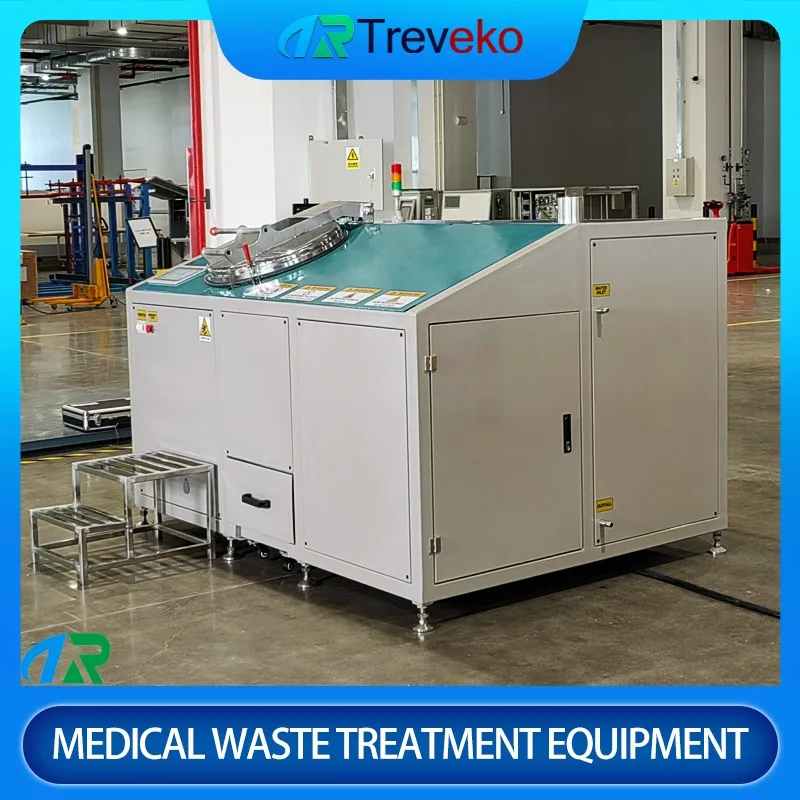
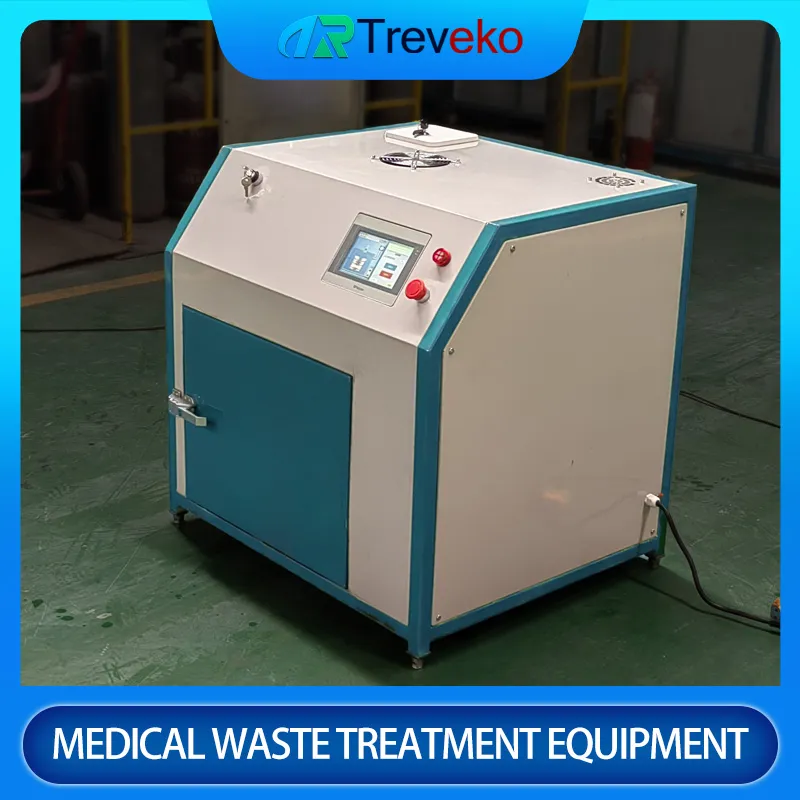
Reliable Microwave Disinfection Medical Equipment for Consistent Thorough Bacterial Inactivation

Still deciding? Get samples of $ !
Order Sample

Product Description

Basic Specifications

Model:TR-MWT20
Condition:New
Certification:ISO, CE
Automation:Automatic
Treatment:Microwave
Total Power:24kw
Silo Volume:100L
Processing Volume:20 Kg/H
Power Supply:3-Phase 380V
Sterilization Rate:>99.99%
Reduction Rate:80% Vol / 20% Weight
Material:Stainless Steel + Alloy Steel

Product Description

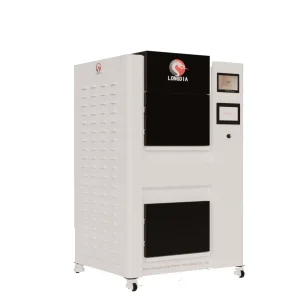
Microwave Disinfection Equipment
Medical Waste Sterilization

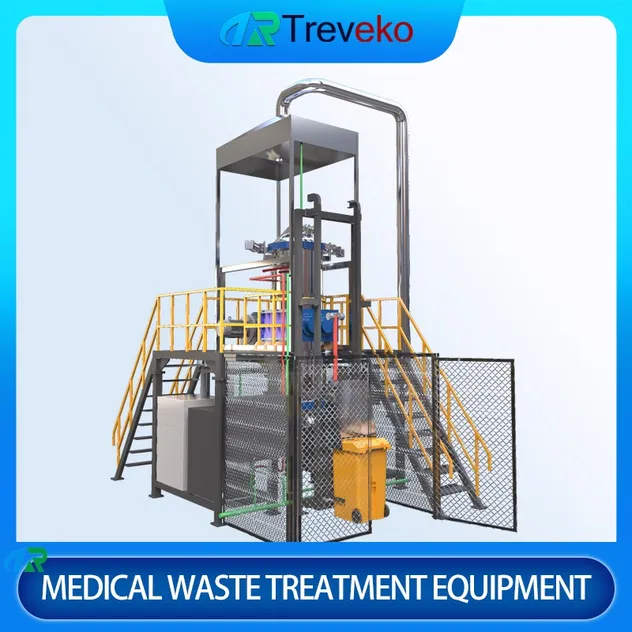
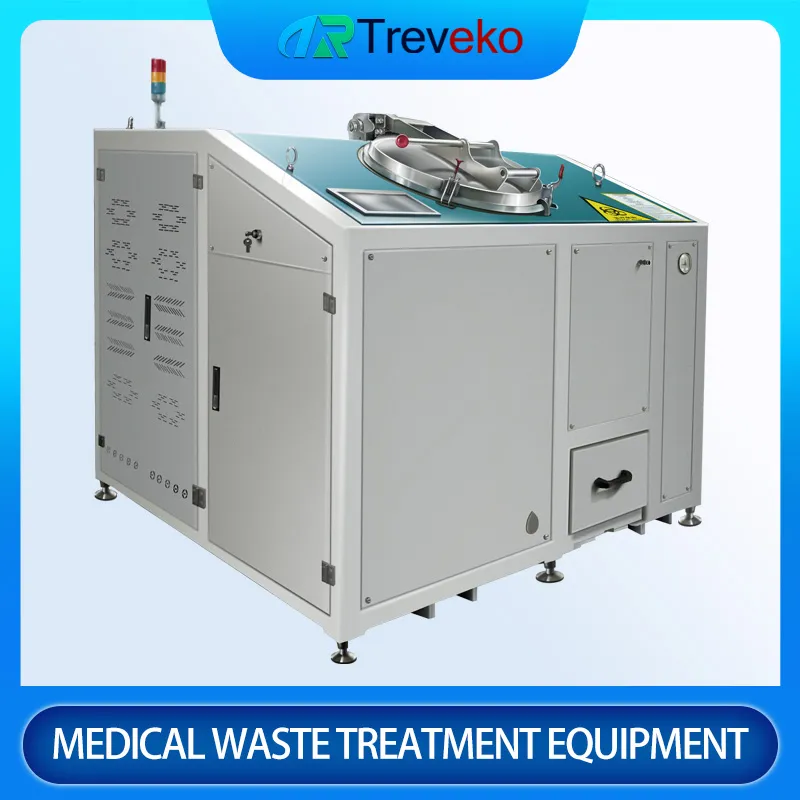
The compact medical waste microwave sterilization and disinfection integrated machine utilizes microwave irradiation and saturated steam for synergistic disinfection. The fundamental principle involves heat conduction of steam combined with the thermal and biological actions of microwaves to eliminate microorganisms. By altering the electron and ion density around cell membranes, it effectively kills bacteria and breaks down nucleic acids (RNA/DNA), ensuring thorough decontamination.
Process Flow

Process Diagram
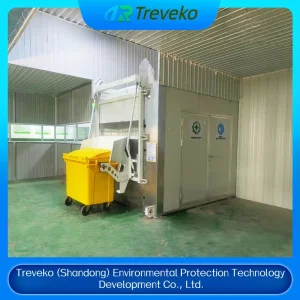
  • Loading & Shredding: Waste is shredded into flocculent particles by high-speed blades.
  • Synergistic Sterilization: High-temperature steam and microwave irradiation work together.
  • Exhaust Treatment: Negative pressure system with HEPA and UV photolysis for clean emissions.
  • Automation: Full process monitored via an intelligent control system.
ModelTR-MWT100Rated Voltage380V
Frequency50HZCapacity18KW
Noise≤60dB(A)Weight>1000KG
Volume≥100LBlade TypeD550#
Sterilization Rate>99.99%Speed1200r/min

Main Components of the Equipment

  • Sealed feed door & sterilization chamber
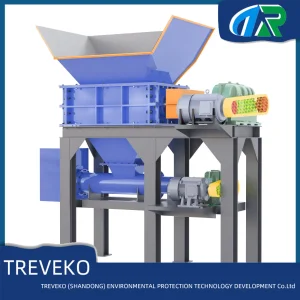
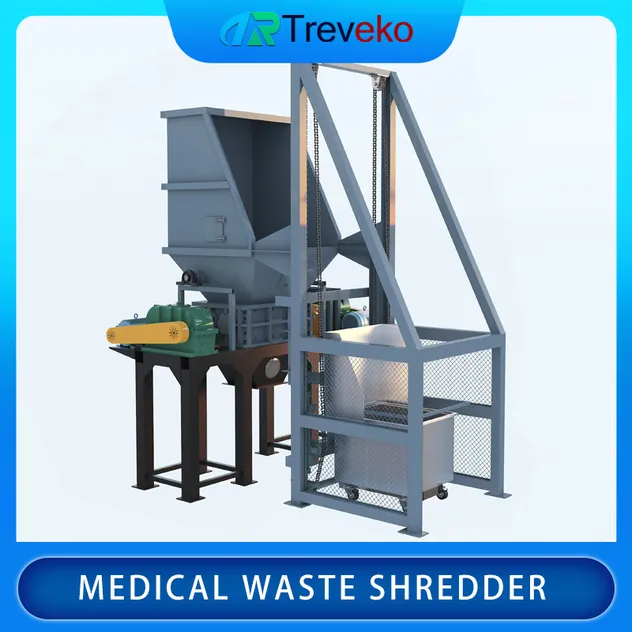
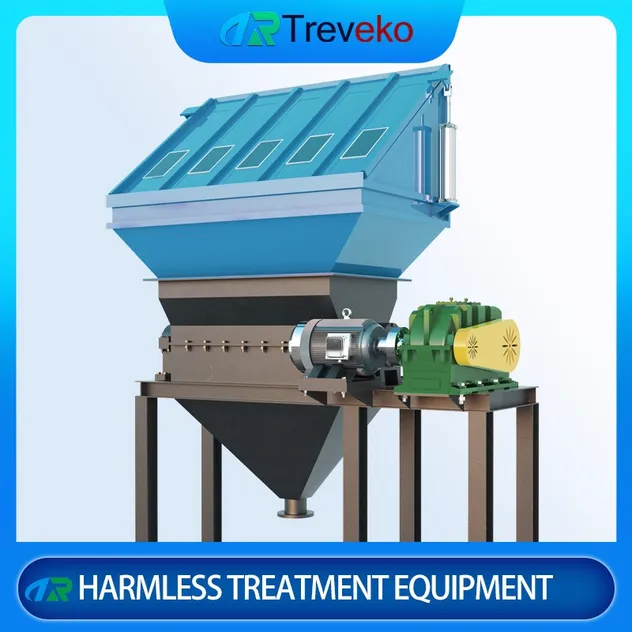
  • Sealed crushing mechanism
  • Microwave sterilization unit
  • Steam heating system
  • Exhaust gas treatment system
  • Automatic control & alarm system
Equipment Components

Product Features

Designed with comprehensive safety measures to prevent secondary contamination. The entire process—crushing, heating, microwave sterilization, and discharge—is conducted in a fully enclosed state. Features include:
  • Rapid disinfection with short duration and strong penetration.
  • Uniform temperature distribution for thorough sterilization (≥8log10).
  • Zero new pollutant emissions during operation.
  • High production efficiency and low operating costs.

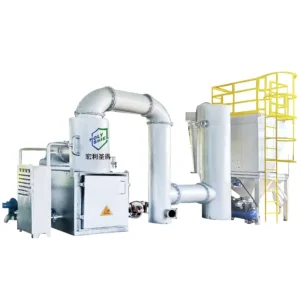
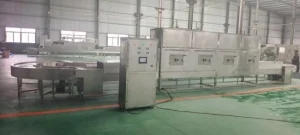
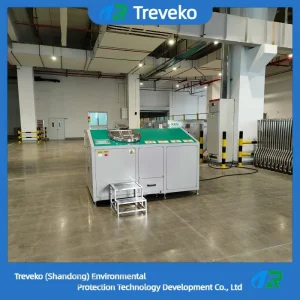
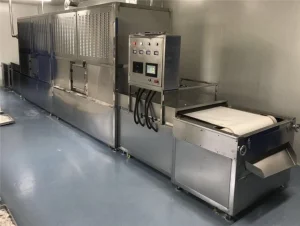
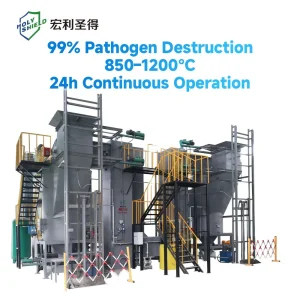
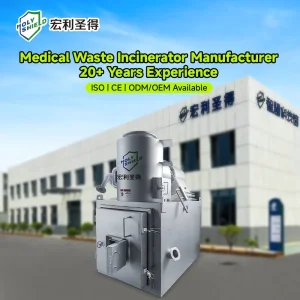
Other Related Equipment

Manufacturing Excellence

Manufacturing Center

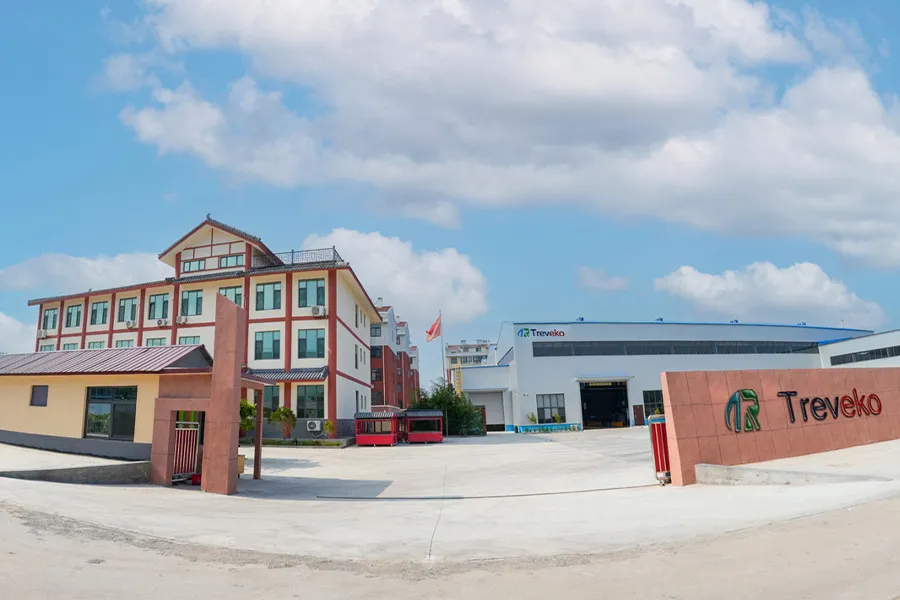
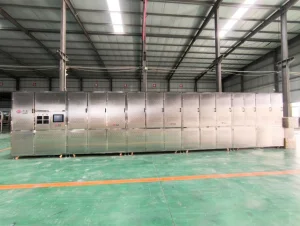
Our facility operates a comprehensive industrial ecosystem spanning from cutting-edge R&D and intelligent manufacturing to digital operations services. We adhere to world-class quality standards and lean management systems, ensuring exceptional quality at every stage—from technical concepts to industrial implementation.
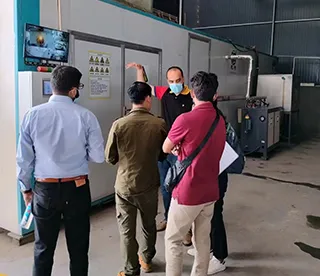
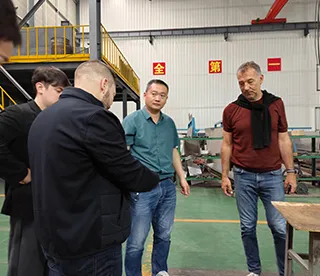
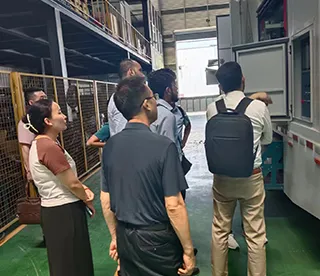
Customer Visits

Frequently Asked Questions

Q1: What is the core principle of microwave sterilization?
It combines microwave irradiation with saturated steam. The thermal effect and biological action of microwaves alter cell membrane permeability and break down bacterial DNA/RNA, ensuring rapid and thorough sterilization.
Q2: What is the volume and weight reduction rate for waste?
The equipment can achieve up to an 80% reduction in volume and a 20% reduction in weight through the integrated shredding and sterilization process.
Q3: How does the system handle potentially hazardous exhaust gases?
It uses a negative pressure induced draft system that includes primary and high-efficiency filtration (HEPA), activated carbon adsorption, and UV photolysis to ensure emissions meet environmental standards.
Q4: In which scenarios is this equipment most commonly used?
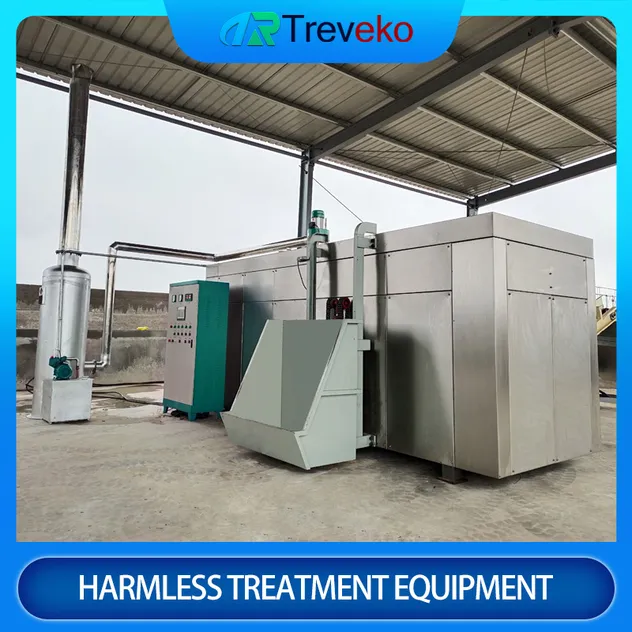
It is widely used in hospitals, laboratories, animal farms (for harmless disposal), slaughterhouses, and organic waste recycling centers for infectious or biological waste treatment.
Q5: What are the main technical advantages of this system?
Key advantages include synergistic sterilization technology (microwave + steam), high automation from lifting to discharge, modular structure for flexible site configuration, and energy recovery designs for low consumption.
Q6: Is the operation safe for the environment and personnel?
Yes, the entire process is conducted in a fully enclosed state with automated controls and comprehensive alarm systems to prevent secondary contamination and ensure operator safety.

Related Products