Engineered to exact specifications for sterile isolation, transfer, fluid management, and bioreactor control
The global biotechnology sector is witnessing an unprecedented transition from traditional batch fermentation to highly customized, continuous, and automated bioprocess systems. Modern industrial bioreactor designs sit at the intersection of mechanical engineering, transport phenomena, and molecular biology. Designing, fabricating, and exporting these high-precision systems requires an in-depth understanding of fluid dynamics, mass transfer limitations, cleanability (CIP/SIP), and international GMP guidelines. This whitepaper analyzes the current commercial landscape, engineering advancements, and the operational advantages driving global procurement strategies toward specialized Chinese manufacturing hubs.
Bioreactors serve as the biological heart of pharmaceutical production lines, commercial bio-manufacturing facilities, and synthetic biology platforms. Modern biological systems—ranging from mammalian cell culture for monoclonal antibodies (mAbs) to microbial fermentation for recombinant proteins and enzymes—demand precise mechanical environments to sustain cell viability, maximize metabolic yield, and ensure sterile integrity. Today’s industrial landscape categorizes bioreactor designs into two main methodologies: stainless steel stirred-tank reactors (STRs) and single-use bioreactor (SUB) systems.
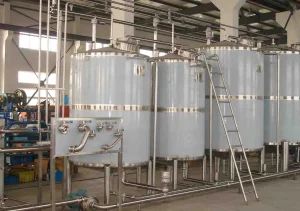
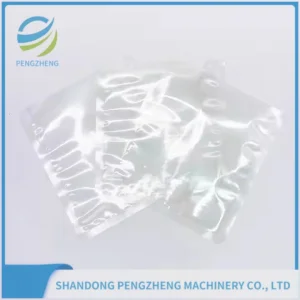
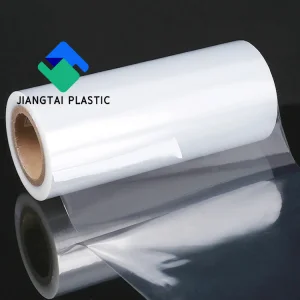
Stainless steel STRs remain the gold standard for large-scale production (ranging from 1,000L to over 50,000L volumes) due to their mechanical durability, superior heat transfer properties, and economic feasibility over long production cycles. Conversely, SUBs have captured a significant share of the clinical and small-to-medium commercial markets. These single-use units leverage pre-sterilized, multi-layer co-extruded plastic bags, which mitigate cross-contamination risks and radically reduce the validation and cleaning times associated with Clean-in-Place (CIP) and Steam-in-Place (SIP) routines.
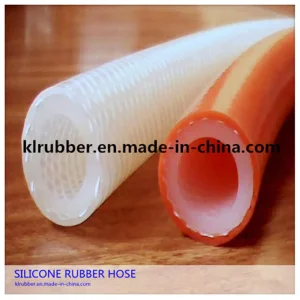
Information Gain Insight: The choice between stainless steel and single-use is no longer binary. Industry leaders increasingly implement "hybrid bioprocess systems," integrating stainless steel fermentation vessels with single-use storage and distribution systems, connected by sterile, high-pressure FDA-grade braided silicone tubing and advanced dry-break connectors.
Achieving predictable biological yields during scale-up relies heavily on maintaining consistent physical parameters. Engineering teams must calculate and balance key metrics, including:
Comprehensive engineering elements that ensure safety, efficiency, and regulatory validation
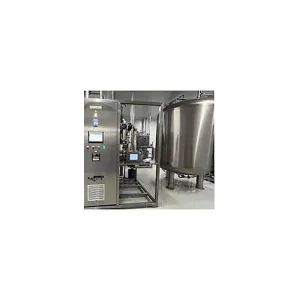
Ensuring purified water (WFI) and growth media maintain absolute sterility during transport. Incorporates sterile storage vessels with continuous loop heat-sanitization and pressure monitoring.
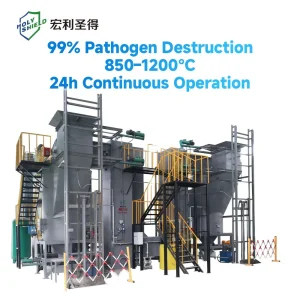
High-integrity containment systems for biohazardous waste and off-gas stream sterilization, utilizing advanced thermal and mechanical barrier techniques to prevent environmental discharge.
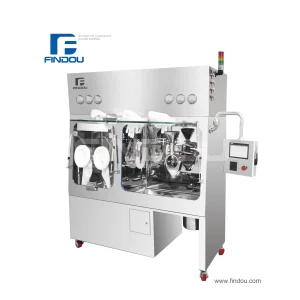
Integration of aseptic isolator units for sampling, seed inoculation, and sterile additions, maintaining ISO Class 5 air quality inside critical biological zones.
Global procurement teams turn to Chinese bioreactor manufacturers due to the unparalleled concentration of specialized manufacturing clusters, notably in the Yangtze River Delta (YRD) region. The YRD serves as a primary hub for metallurgy, pharmaceutical-grade polymer extrusion, and precision automated machining. The resulting supply chain synergy offers several critical advantages:
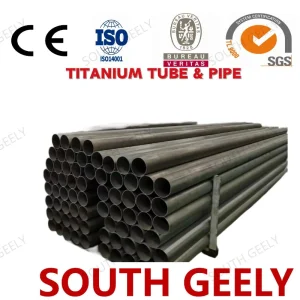
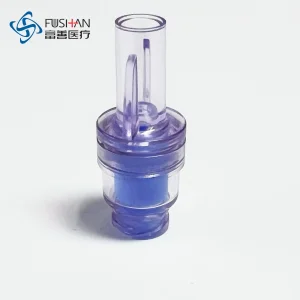
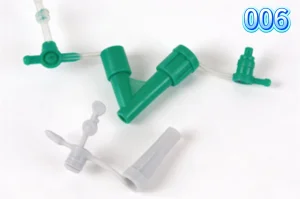
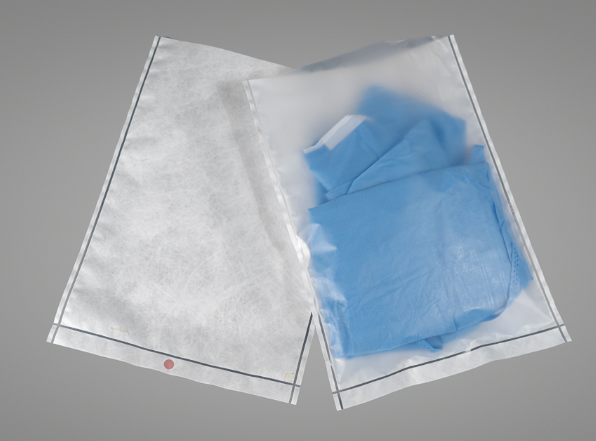
First, access to domestic high-grade materials, such as titanium tubing engineered specifically for medical-grade heat exchangers, and premium stainless steel alloys (316L). Second, localized production of crucial ancillary materials: multi-layer co-extruded barrier films, Tyvek sterilization pouches, and custom single-use connectors. By localizing the entire supply chain, Chinese manufacturers significantly reduce overall lead times while maintaining strict cost control.
Furthermore, Chinese bioreactor exporters have heavily invested in advanced fabrication facilities, utilizing orbital welding equipment, automated polishing machines, and cleanroom assembly lines that mirror top-tier global standards. This level of vertical integration guarantees that high-complexity systems are engineered in strict compliance with CE, ISO, ASME BPE, and FDA guidelines, offering international buyers premium performance without the prohibitive capital expenditures typically associated with Western suppliers.
Industrial bioreactors are highly customizable units built to serve distinct, demanding environments:
The convergence of data science and bioprocess engineering has introduced several technological advancements:
Learn more about Changzhou U-Care Medical Co., Ltd. and our commitment to bioprocess excellence
Changzhou U-Care Medical Co., Ltd. was established in 2014 and is located in Changzhou, Jiangsu Province, within the core region of the Yangtze River Delta—one of China’s most dynamic and economically advanced areas. Benefiting from a strategic location and convenient transportation network, the company enjoys strong access to both domestic and international markets.
U-Care Medical has accumulated extensive experience in the manufacturing of medical and pharmaceutical packaging products. The company is dedicated to the research, development, and production of high-quality disposable medical and pharmaceutical packaging materials. With a focus on innovation and reliability, U-Care strives to provide safe, efficient, and customized solutions to meet the evolving needs of healthcare and pharmaceutical industries worldwide.
The company is equipped with modern production facilities and adheres strictly to industry standards and quality management systems. From raw material selection to final product delivery, every step is carefully controlled to ensure product consistency, safety, and compliance with international regulations.
We always place product quality at the highest priority. Customer satisfaction is the driving force behind our continuous improvement and development.
We are committed to building long-term partnerships with our clients by adhering to honest and transparent business practices, never compromising on ethics or authenticity.
Through continuous innovation and refinement, we strive to develop more practical, reliable, and high-performance packaging solutions that support the stable and safe use of our customers’ products.
To become a trusted global provider of medical and pharmaceutical packaging solutions by consistently delivering superior quality, innovation, and customer-focused services.
To support the healthcare industry with safe, reliable, and efficient packaging products, contributing to better protection and delivery of medical products worldwide.
Addressing the core considerations of global procurement managers and bioprocess engineers
We utilize Class 100,000 cleanrooms for all assembly and extrusion operations. All raw materials (polymeric films, silicone components, and connection accessories) undergo rigorous USP Class VI testing, extractable/leachable profiling, and particle counting analysis. Final products are sterilized via Gamma Irradiation or Ethylene Oxide (EO) processing, validated under ISO 11137 and ISO 11135 methodologies, and accompanied by comprehensive Certificates of Analysis (CoA) to support drug master filings (DMF).
High-pressure applications—such as perfusion media feeding, deep vessel drainage, and transfer lines linked to peristaltic pumps—require reinforcement. Our flexible stainless steel braided or high-tenacity polyester braided FDA-grade silicone tubing offers high burst pressure tolerances, excellent kink resistance, and the ability to undergo repeated steam sterilization (SIP) cycles without degrading physical integrity or risking leachables contamination.
Mechanical polishing alone leaves micro-scratches where bacterial cells and proteins can adhere. Electropolishing chemically removes microscopic peaks and valleys, leaving a smooth, mirror-like finish (Ra < 0.4 μm) and creating a chromium-rich oxide layer. This ultra-smooth, passive surface prevents organic adhesion, facilitates complete cleaning during automated CIP cycles, and guarantees consistent sterilizability.
Yes, custom integration is a key component of our export services. We collaborate directly with client engineering teams to configure sterile isolators, custom dimensions for process vessel connections, specialized sampling ports, and unique multi-valve manifolds. All custom fabrications include a comprehensive FAT/SAT package, full component trace documentation, and detailed 3D engineering designs.
Supporting cleanroom workflows, waste management, and sterile material transfers
 U-Care Medical